
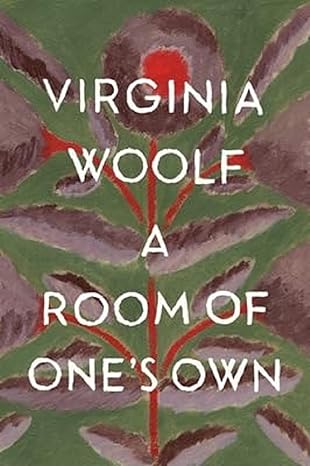
A Room of One's Own
By Virginia Woolf
An Essential Literary and Feminist Text
Introduction
Suppose one is asked a question that looks simple enough. What is needed for a woman to write fiction? At first it seems the sort of matter that can be settled with a lecture, a few facts, a little good sense, and one may go home in time for dinner. Yet the moment one touches it, it slips away and grows roots in every direction. It leads into libraries and dining halls, into the law courts and the nursery, into poems, poverty, anger, memory, and the strange habits of the human mind. That is the path this book takes. It does not offer a neat doctrine wrapped and labelled. It wanders, observes, remembers, invents, and asks the reader to look with fresh eyes at the world that has made literature and at the world that has kept so many voices silent. The speaker begins with a commission, to talk about women and fiction. But what can that phrase mean? Women and what they are like. Women and what men have said about them. Women and what women have written. Women and why so few of them have had the chance to write at all. Once the question is opened, it becomes clear that books do not grow in a vacuum. A poem is not merely a poem. A novel is not merely a flight of imagination. Behind the page stand money, food, privacy, education, custom, confidence, and leisure. Behind silence stand interruption, ridicule, dependence, duty, and the thousand small obstacles that never appear in the final printed sentence. So the argument turns toward two plain, almost shocking necessities. A woman must have money and a room of her own if she is to write fiction. That sentence sounds modest, almost too modest, until one feels all that is packed inside it. Money means freedom from the need to flatter, obey, or beg. A room means a door that can be shut, a mind that can gather itself, an hour not seized by others. What appears material proves deeply spiritual. Independence of income becomes independence of thought. To unfold this truth, Virginia Woolf does not speak as a preacher handing down conclusions from a high platform. She plays with masks and names, with Mary Beton, Mary Seton, Mary Carmichael, and the imagined sister of Shakespeare. She lets invention stand beside history because ordinary records have left so much out. If the archives are thin, imagination must enter and help us see what life was like for those who did not leave shelves of letters behind them. In that way the book becomes both essay and story, argument and reverie. What emerges is a dazzling meditation on who gets to create, who gets remembered, and what conditions nourish the mind. It is full of wit and sting, indignation and tenderness. It laughs at pomp, exposes prejudice, honours forgotten women, and looks ahead to a future in which talent may at last find the space it deserves. One comes away not with a...
Sign up to continue reading
Get access to full book summaries, audio of the summaries, and many more.
Similar Books
Books with a similar vibe—explore more like this.
The Midnight Library
Matt Haig
A Fantasy Novel About the Choices That Lead to a Life Well-Lived
4.7 (4782)32 mins

The Creative Act
Rick Rubin
A Way of Being
4.6 (512)27 mins
Frankenstein
Mary Shelley
The Modern Prometheus
4.6 (419)24 mins
The Republic
Plato
One of the most important philosophical texts ever written
4.6 (1294)39 mins
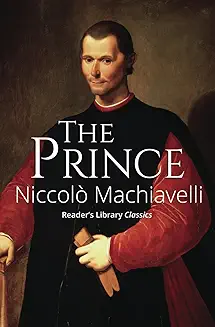
The Prince
Niccolò Machiavelli
Machiavelli’s classic text on leadership and politics
4.6 (973)37 mins
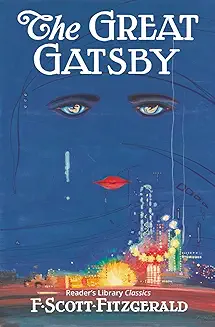
The Great Gatsby
F. Scott Fitzgerald
A Classic Novel on the American Dream of the Roaring Twenties
4.6 (819)20 mins
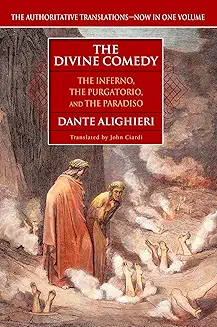
The Divine Comedy
Dante Alighieri
The Inferno, The Purgatorio, and The Paradiso
4.6 (457)27 mins
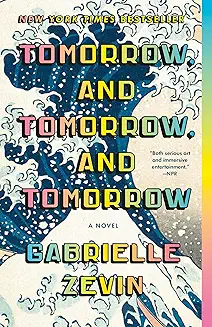
Tomorrow, and Tomorrow, and Tomorrow
Gabrielle Zevin
A Novel
4.5 (4281)24 mins
Lives of the Stoics
Ryan Holiday
The Art of Living from Zeno to Marcus Aurelius
4.5 (1380)28 mins

The Hobbit
J.R.R. Tolkien
A Journey Through Middle Earth A Lord of the Rings Prequel
4.5 (489)37 mins