
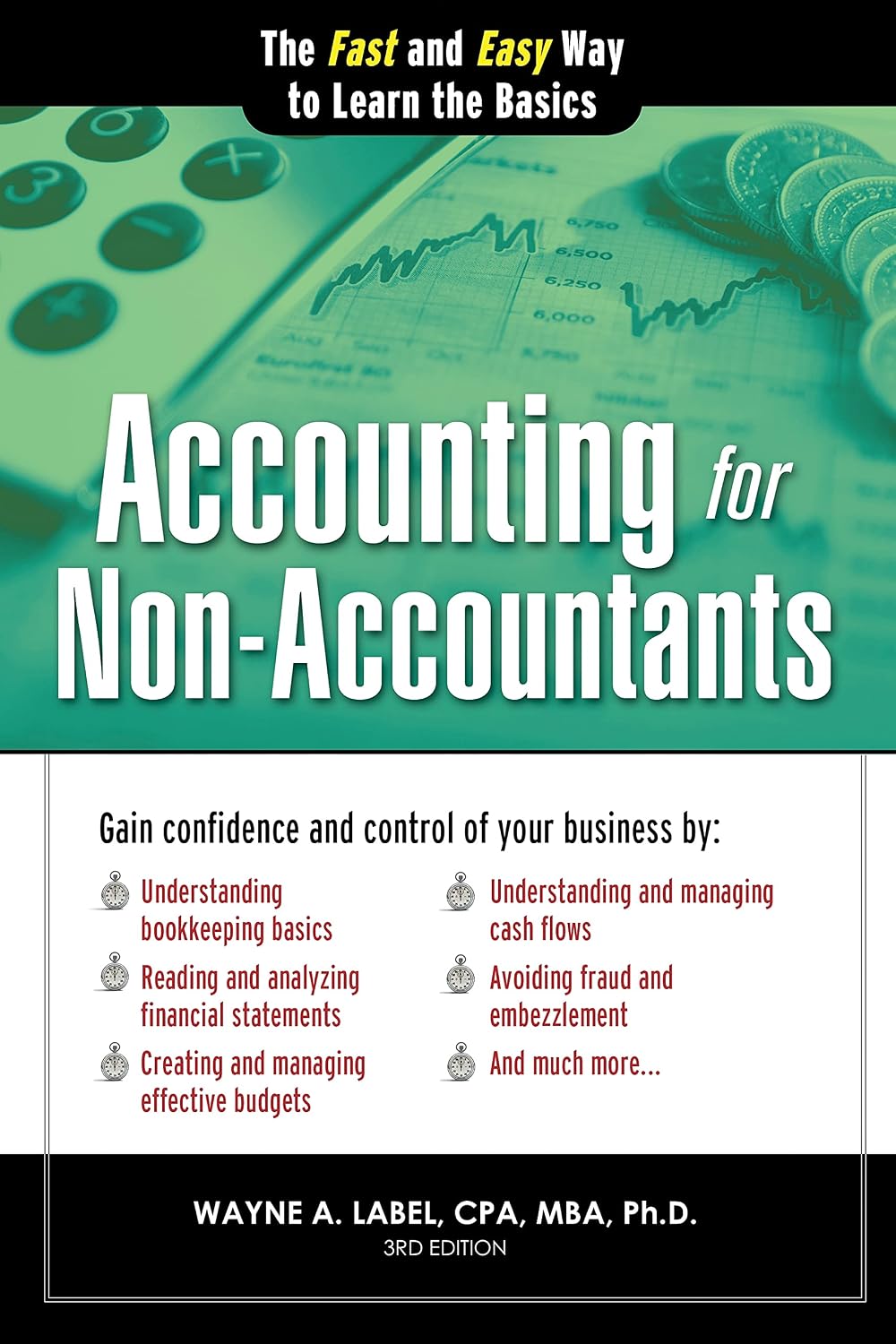
Accounting for Non-Accountants Summary
By Wayne A. Label
The Fast and Easy Way to Learn the Basics
Summary preview
Most people hear the word accounting and instantly tense up. They picture dense reports, strange rules, and pages full of numbers that seem to belong to someone else’s world. This book is built to take that fear apart. It treats accounting not as a secret code for specialists, but as a practical language anyone can learn if they run a business, manage a department, invest money, or simply want to understand what the numbers around them are really saying. The whole point is not to turn you into a professional accountant. It is to help you become comfortable enough with financial information that you can ask better questions, make better choices, and stop feeling shut out when the conversation turns to profit, cash flow, assets, or budgets. Wayne A. Label approaches the subject like a patient guide standing beside you rather than above you. He assumes you may be nervous, skeptical, or convinced that numbers are not your thing. So he starts where real people actually live. A business sells things, pays bills, buys equipment, borrows money, collects cash, and tries to earn more than it spends. Accounting, at its core, is just the organized way of tracking all of that so the people involved can see what is happening. Once you see it that way, the topic becomes much less mysterious. The book moves from the big picture into the basic tools that businesses use to tell their story. You learn how the balance sheet gives a snapshot of what a company owns and owes. You see how the income statement shows whether operations created a profit or a loss over time. You come to understand the statement of cash flows, which often tells a very different story from profit alone. Along the way, the book explains terms that often scare beginners, such as debits, credits, inventory, depreciation, receivables, payables, and retained earnings, but it keeps bringing them back to ordinary business activity so they feel grounded and useful. Just as important, the book shows that accounting is not only about recording the past. It is also about planning the future and controlling what happens next. Budgets, cost behavior, pricing decisions, internal controls, and financial ratios all become part of a larger message. Numbers are tools for judgment. They help you spot trouble early, measure performance, and decide where to put your energy and money. The deeper lesson is that accounting supports clear thinking. If you can read the numbers, you can see through confusion, challenge weak assumptions, and understand a business far more honestly. That is what makes this book so valuable. It does not ask you to love accounting for its own sake. It invites you to use accounting as a practical lens on how business works. By the end, the numbers no longer sit there like a wall. They start to talk.
Sign up to continue reading
Get access to full book summaries, audio of the summaries, and many more.
Similar Books
Books with a similar vibe—explore more like this.
Financial Literacy for Managers
Richard A. Lambert
Finance and Accounting for Better Decision-Making
4.6 (22)22 mins
A Beginner's Guide to the Stock Market
Matthew R. Kratter
Everything You Need to Start Making Money Today
4.5 (937)30 mins

Range
David Epstein
Why Generalists Triumph in a Specialized World
4.6 (3497)28 mins
Ultralearning
Scott H. Young
Accelerate Your Career, Master Hard Tasks and Outsmart the Competition
4.6 (328)35 mins
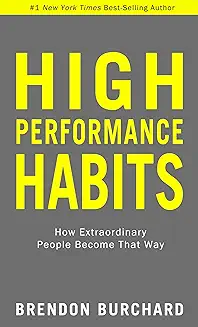
High Performance Habits
Brendon Burchard
How Extraordinary People Become That Way
4.5 (829)27 mins
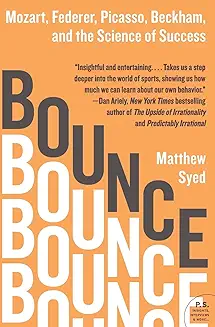
Bounce
Matthew Syed
The Myth of Talent and the Power of Practice
4.5 (983)30 mins

The Little Book of Market Wizards
Jack D. Schwager
Lessons from the Greatest Traders
4.5 (30)23 mins
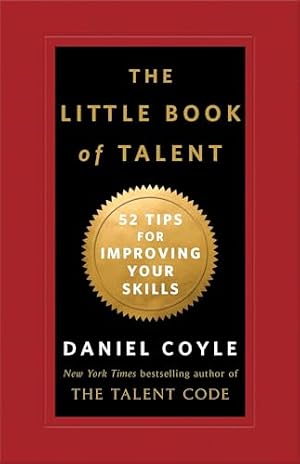
The Little Book of Talent
Daniel Coyle
52 Tips for Improving Your Skills
4.5 (55)24 mins
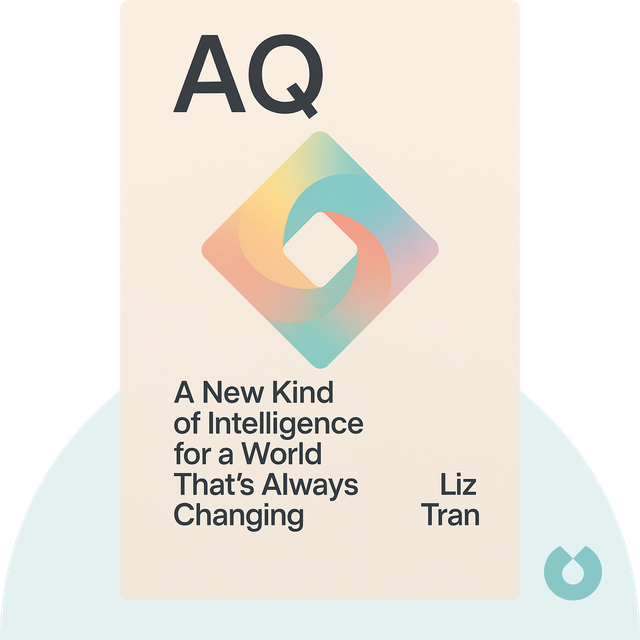
AQ
Liz Tran
A New Kind of Intelligence for a World That's Always Changing
4.5 (17)24 mins
The Leadership Pipeline
Ram Charan, Stephen Drotter, James L. Noel, Kent Jonasen
Developing Leaders in the Digital Age
4.5 (3)24 mins