
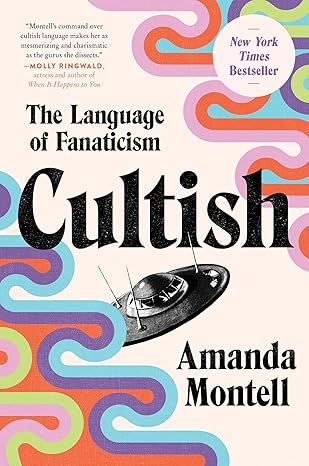
Cultish Summary
By Amanda Montell
The Language of Fanaticism
Summary preview
What if the thing that pulls people into a cult is not just belief, or loneliness, or blind obedience, but language itself? That is the slippery, fascinating question at the heart of Cultish. Amanda Montell opens the door to a world most of us think we already understand. We picture communes in the desert, identical clothes, one magnetic leader, maybe a tragic ending on the evening news. But the book asks us to look closer and wider. Cult influence does not live only in fringe religious groups. It pulses through internet fandoms, beauty culture, startup offices, fitness brands, wellness empires, political movements, and social media communities that promise belonging, meaning, and transformation. The real trick is not mind control in the sci fi sense. It is persuasion dressed up as intimacy. It is the warm, glittering spell of insider language. Words can make people feel chosen. They can turn ordinary rules into sacred truths. They can soften violence, hide abuse, and make surrender sound like freedom. They can also create community, comfort, and purpose. That is why the book is so compelling. It does not simply point at extreme groups and say, Look how strange. It says, Look how human. Look how familiar. Look how the same rhetorical tools show up in places you trust, love, laugh about, and maybe even belong to. Drawing on linguistics, psychology, cultural history, and a lot of sharp, funny reporting, the book moves through famous cults and less obvious cultish spaces. We meet the leaders who turned language into a weapon and the followers who found in that language a kind of home. We see how loaded phrases, euphemisms, chants, slogans, acronyms, and special vocabularies can narrow thought while making life feel clearer and more exciting. A phrase repeated often enough can become a worldview. A private term can become a border between us and them. The voice guiding all of this is curious, witty, and refreshingly unsnobbish. There is real seriousness here because the harm is real, but there is also playfulness and compassion. The point is not to mock people for being taken in. It is to understand why anyone can be. If language can draw us into systems of control, it can also help us see those systems for what they are. That is the promise running through the whole book. Learn how cultish language works, and you become a little harder to manipulate, a little more awake to the stories words are trying to sell you, and maybe a little gentler with yourself and others for wanting to belong in the first place.
Sign up to continue reading
Get access to full book summaries, audio of the summaries, and many more.
Similar Books
Books with a similar vibe—explore more like this.

Once Upon a Stranger
Gillian Sandstrom
The Science of How Small Talk Can Add Up to a Big Life
4.7 (21)22 mins
How to Know a Person
David Brooks
The Art of Seeing Others Deeply and Being Deeply Seen
4.4 (692)26 mins

Flipnosis
Kevin Dutton
The Art of Split-Second Persuasion
4.4 (38)23 mins
Public Opinion
Walter Lippmann
Uncover the Hidden Forces Shaping Public Perception
4.4 (12)23 mins
Modern Friendship
Anna Goldfarb
How to Nurture Our Most Valued Connections
4.3 (8)21 mins
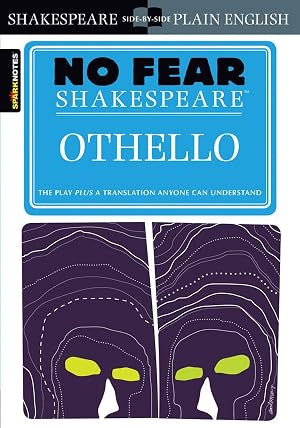
Othello
William Shakespeare
Love, Betrayal, and the Fall of a Hero
4.8 (14)22 mins
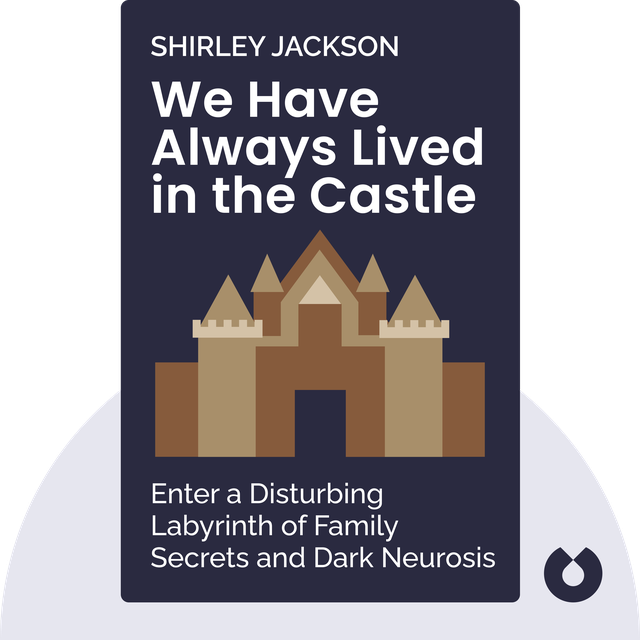
We Have Always Lived in the Castle
Shirley Jackson
Enter a Disturbing Labyrinth of Family Secrets and Dark Neurosis
4.8 (5)14 mins
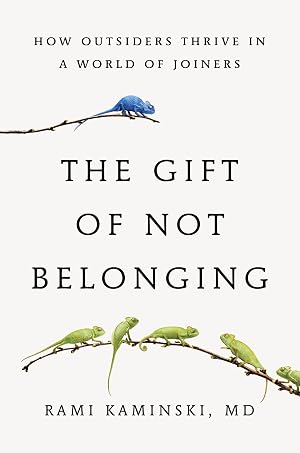
The Gift of Not Belonging
Rami Kaminski
How Outsiders Thrive in a World of Joiners
4.7 (89)22 mins
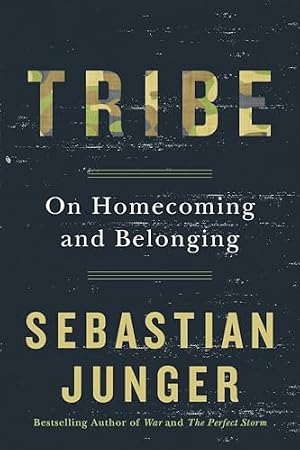
Tribe
Sebastian Junger
On Homecoming and Belonging
4.7 (17)31 mins
Presentation Advantage
Kory Kogon, Breck England and Julie Schmidt
How to Inform and Persuade Any Audience
4.7 (72)19 mins