
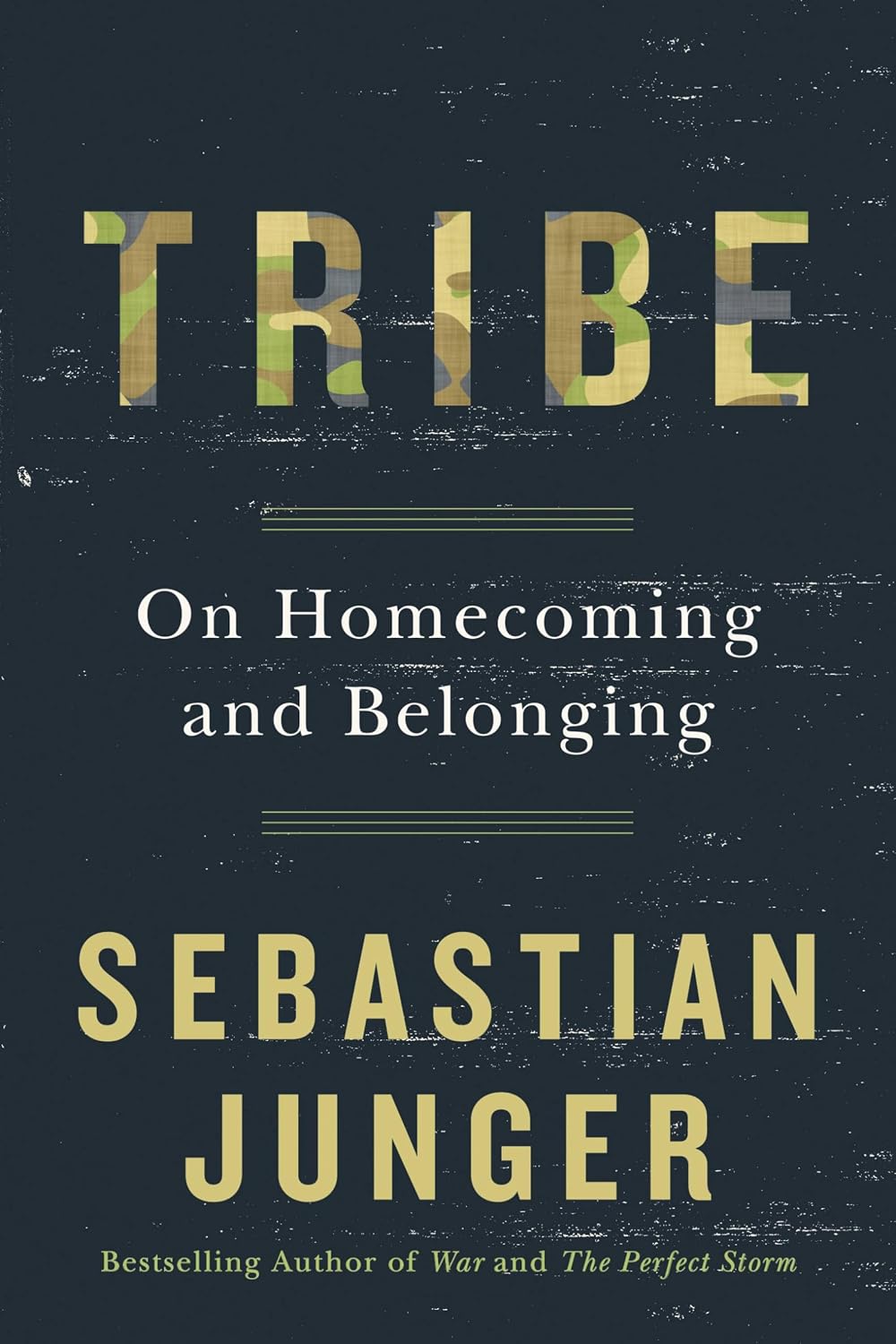
Tribe Summary
By Sebastian Junger
On Homecoming and Belonging
Summary preview
There is a strange fact at the heart of modern life. We have more comfort, more safety, more personal freedom than almost any humans who ever lived, and yet many people feel cut off, anxious, unnecessary, alone. That is the tension Sebastian Junger sets out to explore in Tribe. The book is short, but it carries a question that feels enormous. What is it about hardship, danger, and shared struggle that can make people feel more alive and more connected than peace and abundance ever seem to do? The answer begins with a simple human truth. For most of our history, people lived in small groups where everyone depended on everyone else. You mattered because your labor mattered. Your courage mattered. Your loyalty mattered. The group survived because people shared burdens and sacrifice was normal. In the modern world, many of us are physically safe but socially adrift. We are surrounded by systems, institutions, and technologies that make life easier while quietly stripping away the old experience of belonging. We are less needed by our neighbors, less tied to a common fate, and often less certain of who we are. That is why the book keeps returning to moments of crisis. War, disaster, and social collapse are usually terrible, and nothing here romanticizes their cost. But these moments also reveal something hidden. When people face a threat together, loneliness often falls away. Class barriers soften. Petty concerns shrink. A person who felt invisible can suddenly feel useful. Junger draws on history, psychology, anthropology, and his own reporting to show that this pattern appears again and again, from Indigenous societies in early America to soldiers in combat to civilians living through bombardment and catastrophe. One of the book’s most unsettling ideas is that people do not simply want happiness in the easy, private sense. They want solidarity. They want meaning. They want to be claimed by a group and to owe something to it in return. This longing can be so deep that some people, once they have experienced true communal life under pressure, find ordinary society thin and emotionally barren. Veterans returning from war can feel this acutely. They may come home to comfort and still feel exiled from the very country they fought for. So this is not just a book about combat or trauma. It is a book about what human beings are built for. It asks why many traditional societies, despite material hardship, often produced fierce social bonds, and why wealthy democracies, despite all their advantages, so often produce alienation. It asks what we lose when we organize life around individual achievement and private accumulation rather than mutual dependence. And it leaves you with a challenge that is hard to ignore. If tribe is what people hunger for, then the real question is how to build it before disaster does it for us.
Sign up to continue reading
Get access to full book summaries, audio of the summaries, and many more.
Similar Books
Books with a similar vibe—explore more like this.
Othello
William Shakespeare
Love, Betrayal, and the Fall of a Hero
4.8 (14)22 mins
We Have Always Lived in the Castle
Shirley Jackson
Enter a Disturbing Labyrinth of Family Secrets and Dark Neurosis
4.8 (5)14 mins
The Gift of Not Belonging
Rami Kaminski
How Outsiders Thrive in a World of Joiners
4.7 (89)22 mins
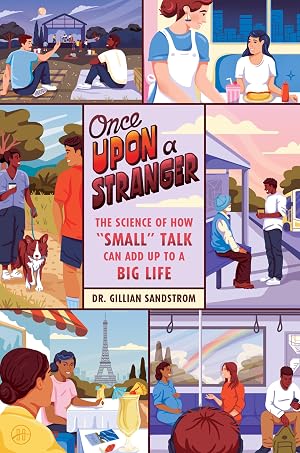
Once Upon a Stranger
Gillian Sandstrom
The Science of How Small Talk Can Add Up to a Big Life
4.7 (21)22 mins
My Grandmother's Hands
Resmaa Menakem
Racialized Trauma and the Pathway to Mending Our Hearts and Bodies
4.6 (167)30 mins

Maybe You Should Talk to Someone
Lori Gottlieb
A Therapist, Her Therapist, and Our Lives Revealed
4.6 (628)33 mins
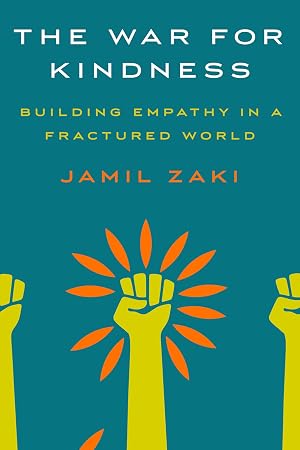
The War For Kindness
Jamil Zaki
Building Empathy in a Fractured World
4.6 (78)25 mins
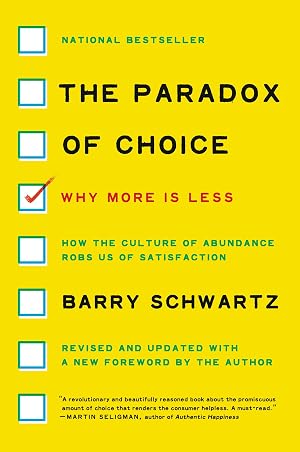
The Paradox of Choice
Barry Schwartz
Why More Is Less
4.6 (130)35 mins
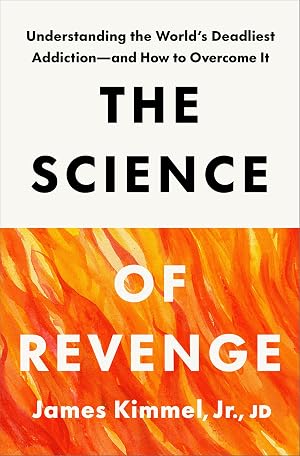
The Science of Revenge
James Kimmel, Jr.
Understanding the World's Deadliest Addiction - and How to Overcome It
4.6 (21)24 mins
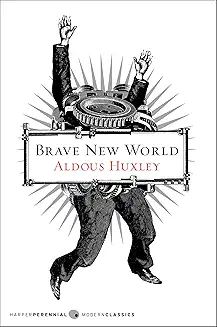
Brave New World
Aldous Huxley
A Dystopian Novel on the Perils of State Control & New Technology
4.5 (1231)26 mins