
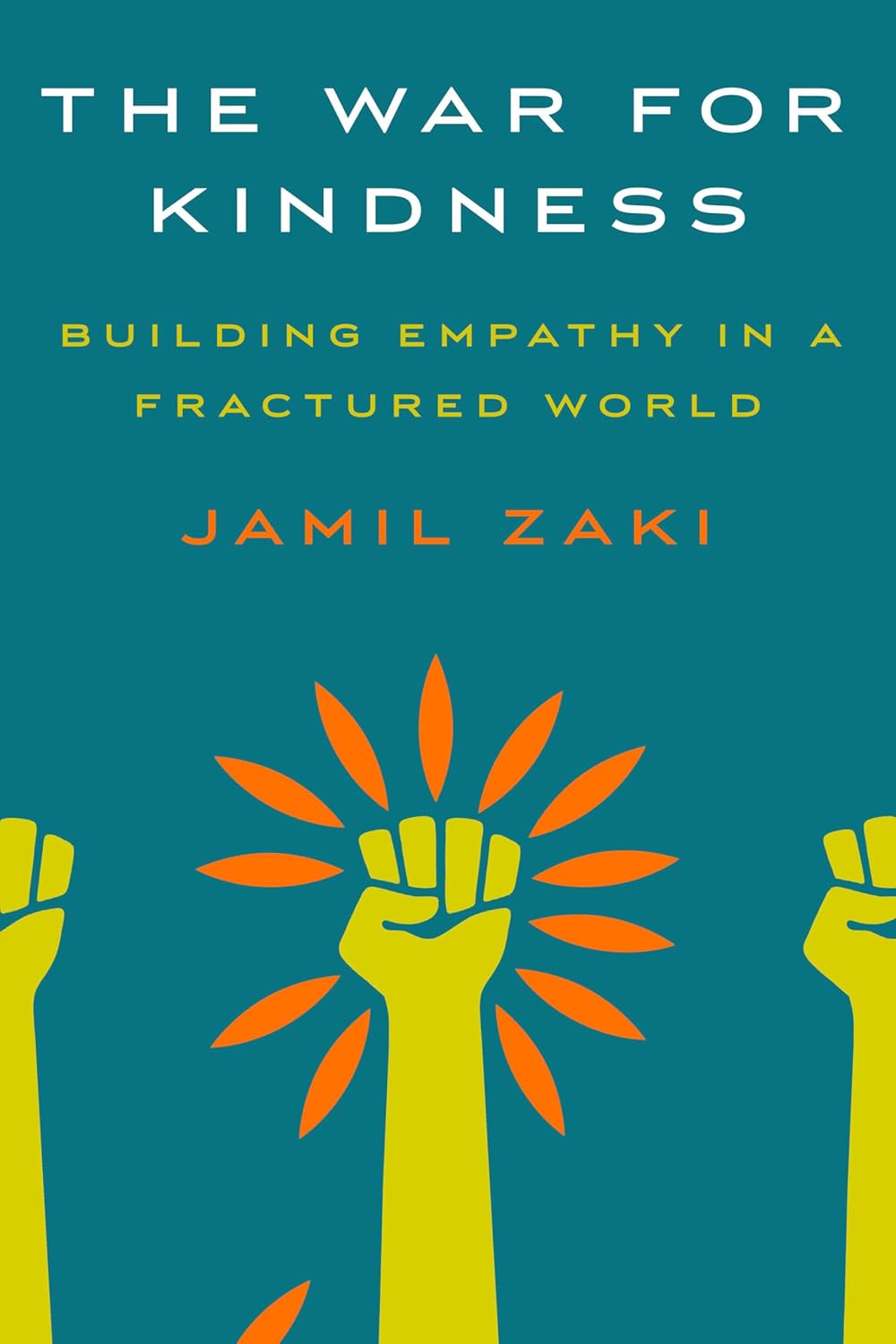
The War For Kindness Summary
By Jamil Zaki
Building Empathy in a Fractured World
Summary preview
We live in a time when many people feel emotionally armored. News alerts tell us the world is cruel. Politics teaches us to fear strangers. Social media rewards outrage and ridicule. It can start to seem naive, even dangerous, to care deeply about other people. That mood is the problem this book takes on. The War for Kindness argues that empathy is not a soft luxury. It is a human strength, a social resource, and a skill we can build. Jamil Zaki begins with a bold claim. Empathy is not fixed. It is not a trait you either have or do not have. It is more like a muscle. Use it and it grows. Ignore it and it weakens. Hurt it and it can shrink. But train it with intention and it can become one of the most powerful tools you carry. This idea matters because so many of us have been taught the opposite. We hear that people are naturally selfish, tribal, and closed minded. We are warned that compassion burns out, that kindness gets exploited, and that trying to understand others means becoming less clear about our own values. The book pushes back on all of that. What follows is a tour through the science of human connection, but it never feels dry or distant. The argument is built through vivid stories of people crossing deep divides, caring for those in pain, and changing their own habits of mind. There are researchers studying how we read one another. There are doctors trying to keep their compassion alive. There are police officers, activists, teachers, and former extremists learning to see human beings where they once saw enemies. Again and again, the message is that empathy is not about being nice all the time or agreeing with everyone. It is about effortful curiosity. It is about choosing to understand another person’s inner world, even when that world is unfamiliar or uncomfortable. The book also makes an important distinction. Empathy is not one single thing. It includes feeling with others, thinking about what they might be experiencing, and acting with care. Those pieces can come apart. We may understand someone without helping them. We may feel their pain and become overwhelmed. We may act kindly from principle even when warm feelings are absent. By teasing these strands apart, the book gives us a more usable map. At heart, this is a hopeful book written for a cynical age. It says our worst impulses are real, but they are not destiny. The social world around us can erode empathy, yet it can also nourish it. We can design institutions, habits, and relationships that make kindness more likely. The war for kindness is happening in politics and media, yes, but also in ordinary moments, in how we listen, whom we trust, what stories we tell, and whether we let fear make us smaller. The pages ahead ask a simple but demanding question. If empathy can be trained, what kind of person, and what...
Sign up to continue reading
Get access to full book summaries, audio of the summaries, and many more.
Similar Books
Books with a similar vibe—explore more like this.

Othello
William Shakespeare
Love, Betrayal, and the Fall of a Hero
4.8 (14) mins
We Have Always Lived in the Castle
Shirley Jackson
Enter a Disturbing Labyrinth of Family Secrets and Dark Neurosis
4.8 (5) mins
The Gift of Not Belonging
Rami Kaminski
How Outsiders Thrive in a World of Joiners
4.7 (89) mins
Once Upon a Stranger
Gillian Sandstrom
The Science of How Small Talk Can Add Up to a Big Life
4.7 (21) mins
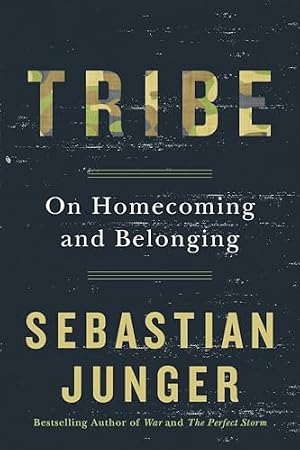
Tribe
Sebastian Junger
On Homecoming and Belonging
4.7 (17) mins
My Grandmother's Hands
Resmaa Menakem
Racialized Trauma and the Pathway to Mending Our Hearts and Bodies
4.6 (167)30 mins
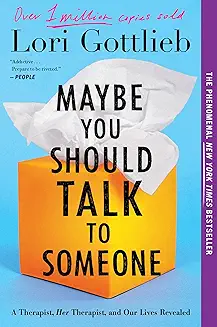
Maybe You Should Talk to Someone
Lori Gottlieb
A Therapist, Her Therapist, and Our Lives Revealed
4.6 (628)33 mins
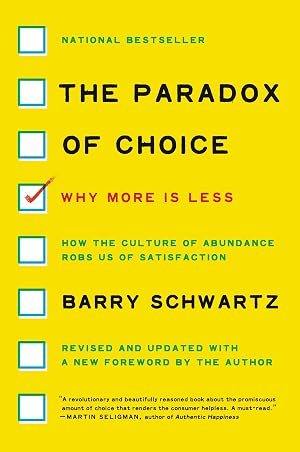
The Paradox of Choice
Barry Schwartz
Why More Is Less
4.6 (130) mins

The Science of Revenge
James Kimmel, Jr.
Understanding the World's Deadliest Addiction - and How to Overcome It
4.6 (21)24 mins
Brave New World
Aldous Huxley
A Dystopian Novel on the Perils of State Control & New Technology
4.5 (1231)26 mins