
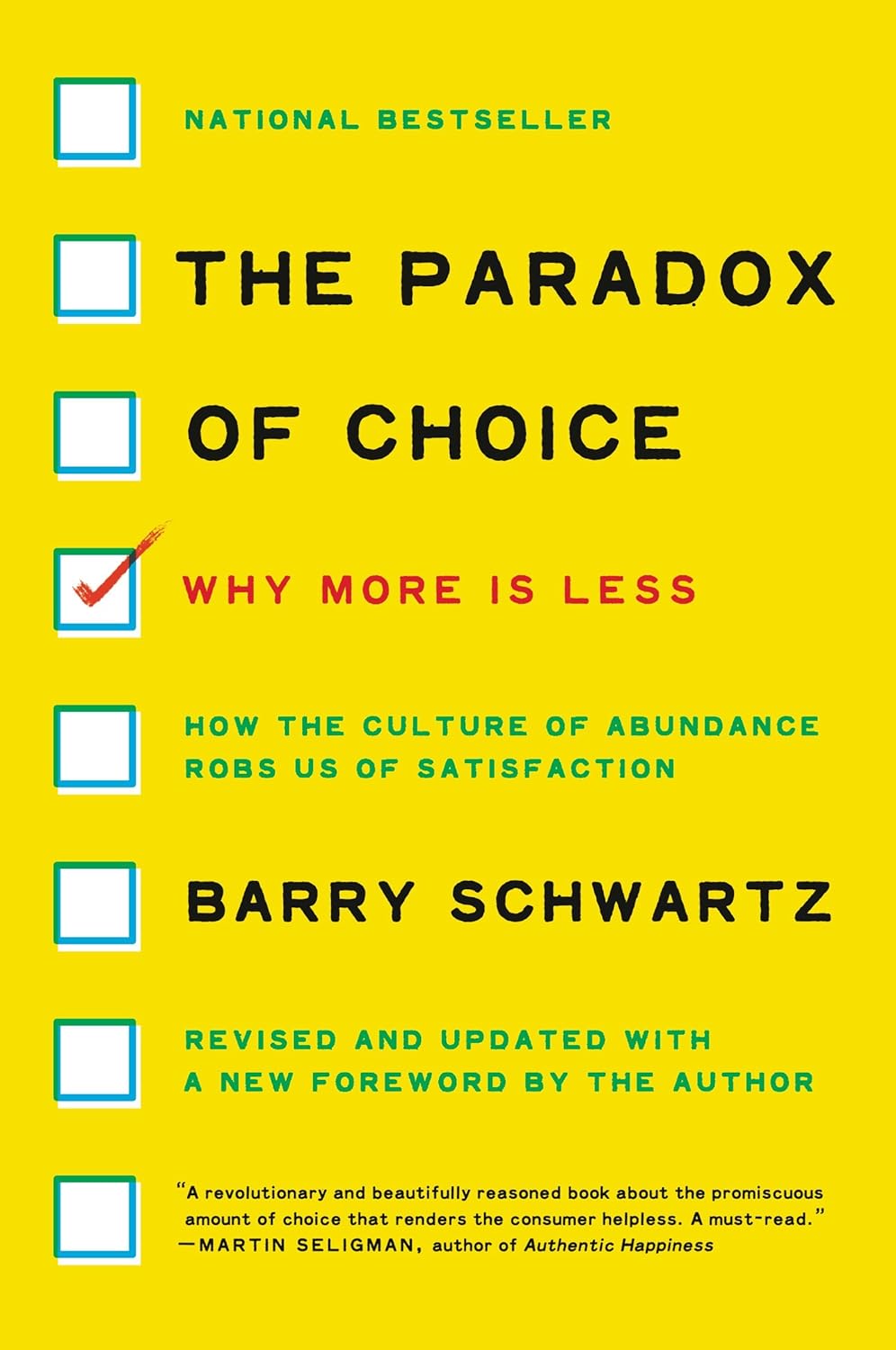
The Paradox of Choice Summary
By Barry Schwartz
Why More Is Less
Summary preview
We usually tell ourselves a simple story about freedom. More choice means more liberty, more control, more happiness. If one option is good, ten must be better, and a hundred better still. That sounds right. It feels modern, generous, democratic. Walk into a supermarket and see whole walls of cereal, crackers, coffee, shampoo, and salad dressing, and it can seem like a triumph. Look at careers, relationships, health plans, retirement accounts, entertainment, and identities, and it appears that life has opened wide. We are no longer trapped by fate or tradition. We can choose. But there is a catch, and it is a big one. The very abundance that promises satisfaction often delivers anxiety, regret, paralysis, and a quiet sense that we are somehow failing. Instead of enjoying freedom, we can become overwhelmed by it. Instead of feeling grateful for possibilities, we can feel burdened by them. Instead of choosing with confidence, we can agonize, compare, second guess, and imagine all the ways another path might have been better. The point is not that choice is bad. The point is that choice has costs, and when those costs are ignored, what should serve us begins to wear us down. That is the heart of what Barry Schwartz wants you to see. He asks you to look at everyday life and notice how often more options do not make things easier. They make things harder. They raise expectations. They increase personal responsibility. They invite self blame. If there are endless possibilities, then surely the perfect one must be out there, and if you do not find it, whose fault could it be but your own? A world full of options can make disappointment sting more deeply because every decision feels like a test of judgment. The book moves from grocery aisles and shopping malls to medicine, work, love, and public life. It draws on psychology, behavioral research, and ordinary experience, but it never loses sight of the human feeling underneath all of it. Why do people freeze when faced with too many choices? Why do they feel less satisfied after making decisions in rich markets than in simpler ones? Why do some people search endlessly for the best while others settle for good enough and end up happier? Why does autonomy, something we rightly cherish, sometimes become a source of misery? The answer unfolds piece by piece. What looks like a blessing can become a burden. What seems like liberation can become pressure. The modern world has given us unprecedented room to shape our lives, and that is no small achievement. Yet if we want to live well inside that freedom, we need a wiser way of choosing. We need limits, standards, habits, and a little mercy toward ourselves. Without them, abundance can quietly steal the very satisfaction it promises.
Sign up to continue reading
Get access to full book summaries, audio of the summaries, and many more.
Similar Books
Books with a similar vibe—explore more like this.
Othello
William Shakespeare
Love, Betrayal, and the Fall of a Hero
4.8 (14)22 mins
We Have Always Lived in the Castle
Shirley Jackson
Enter a Disturbing Labyrinth of Family Secrets and Dark Neurosis
4.8 (5)14 mins
The Gift of Not Belonging
Rami Kaminski
How Outsiders Thrive in a World of Joiners
4.7 (89)22 mins
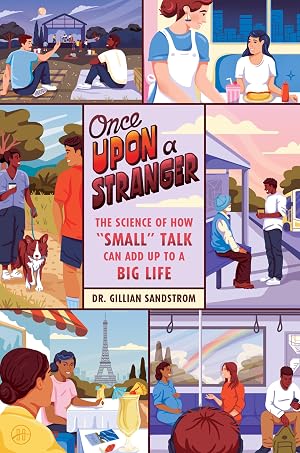
Once Upon a Stranger
Gillian Sandstrom
The Science of How Small Talk Can Add Up to a Big Life
4.7 (21)22 mins
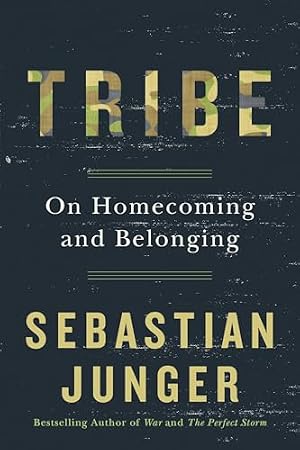
Tribe
Sebastian Junger
On Homecoming and Belonging
4.7 (17)31 mins
My Grandmother's Hands
Resmaa Menakem
Racialized Trauma and the Pathway to Mending Our Hearts and Bodies
4.6 (167)30 mins
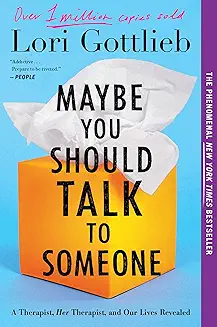
Maybe You Should Talk to Someone
Lori Gottlieb
A Therapist, Her Therapist, and Our Lives Revealed
4.6 (628)33 mins
The War For Kindness
Jamil Zaki
Building Empathy in a Fractured World
4.6 (78)25 mins
The Science of Revenge
James Kimmel, Jr.
Understanding the World's Deadliest Addiction - and How to Overcome It
4.6 (21)24 mins
Brave New World
Aldous Huxley
A Dystopian Novel on the Perils of State Control & New Technology
4.5 (1231)26 mins