

Brave New World Summary
By Aldous Huxley
A Dystopian Novel on the Perils of State Control & New Technology
Summary preview
There are books that warn you with fire and sirens, and there are books that smile at you, hand you a sweet, and ask whether you are quite comfortable while the walls close in. Brave New World belongs to the second kind. It is a vision of the future built not on whips and chains alone, but on pleasure, efficiency, and the soft tyranny of getting exactly what one has been taught to want. Aldous Huxley imagines a civilization that has solved the old human troubles of war, poverty, instability, and deep emotional pain, yet has done so by shaving away nearly everything wild, difficult, and glorious in the human soul. From the first pages, you are led into a world where people are not really born at all. They are manufactured, sorted, conditioned, and prepared for their place before they ever take a breath. Society runs on a simple promise. Everyone belongs to everyone else. No one must be alone for long, or think too much, or desire too deeply. Pleasure is available on command. If grief stirs, there is soma. If restlessness appears, there is entertainment. If longing begins to sharpen into love, or thought into rebellion, the whole social machine moves quickly to smooth the wrinkle out. The story follows several lives moving inside this polished order. Bernard Marx feels small and out of tune with the cheerful sameness around him. Lenina Crowne, bright and well adjusted, moves through the customs of her world with easy grace, even as she senses something strange in Bernard. Then the novel opens outward and shows us John, the so called Savage, a young man raised outside the World State on a reservation where pain, religion, dirt, family, and fierce emotion still exist. He has learned to dream through Shakespeare, and because of that he carries within him another language for life, one full of love, honor, sin, beauty, and tragedy. When these worlds collide, the book becomes more than a futuristic tale. It turns into a test. What is a human being without freedom to choose badly as well as well. What becomes of love when desire is casual and universal. What is happiness worth if it depends on ignorance. What happens to art, faith, heroism, motherhood, mourning, and truth when a society decides they are too costly to keep. That is the dark charm of this novel. It does not show a ruined world. It shows a successful one, at least by its own standards. Its factories are productive, its people are amused, its conflicts are managed, its systems are stable. Yet beneath that smooth surface lies a hard question that keeps troubling the mind long after the book is done. If comfort asks you to surrender your depth, your memory, your freedom, and your capacity to suffer for what you love, would you still call the bargain progress.
Sign up to continue reading
Get access to full book summaries, audio of the summaries, and many more.
Similar Books
Books with a similar vibe—explore more like this.
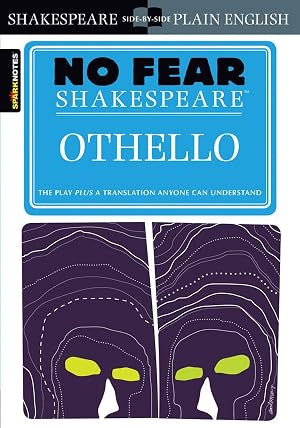
Othello
William Shakespeare
Love, Betrayal, and the Fall of a Hero
4.8 (14) mins
We Have Always Lived in the Castle
Shirley Jackson
Enter a Disturbing Labyrinth of Family Secrets and Dark Neurosis
4.8 (5) mins
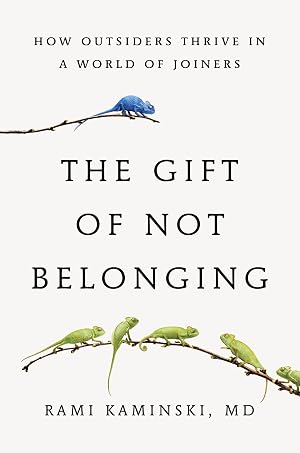
The Gift of Not Belonging
Rami Kaminski
How Outsiders Thrive in a World of Joiners
4.7 (89) mins
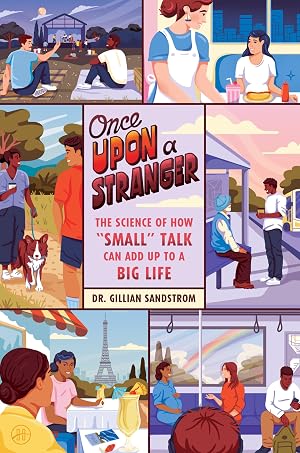
Once Upon a Stranger
Gillian Sandstrom
The Science of How Small Talk Can Add Up to a Big Life
4.7 (21) mins
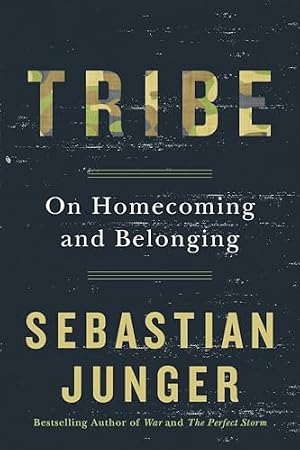
Tribe
Sebastian Junger
On Homecoming and Belonging
4.7 (17) mins
My Grandmother's Hands
Resmaa Menakem
Racialized Trauma and the Pathway to Mending Our Hearts and Bodies
4.6 (167)30 mins
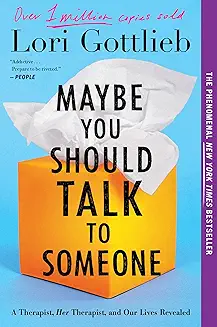
Maybe You Should Talk to Someone
Lori Gottlieb
A Therapist, Her Therapist, and Our Lives Revealed
4.6 (628)33 mins
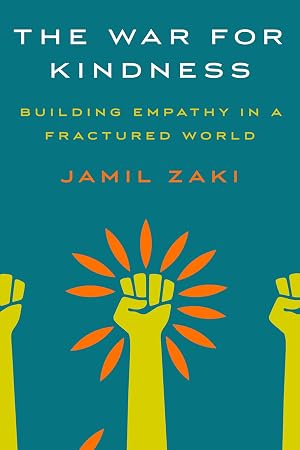
The War For Kindness
Jamil Zaki
Building Empathy in a Fractured World
4.6 (78)25 mins
The Paradox of Choice
Barry Schwartz
Why More Is Less
4.6 (130) mins

The Science of Revenge
James Kimmel, Jr.
Understanding the World's Deadliest Addiction - and How to Overcome It
4.6 (21)24 mins