
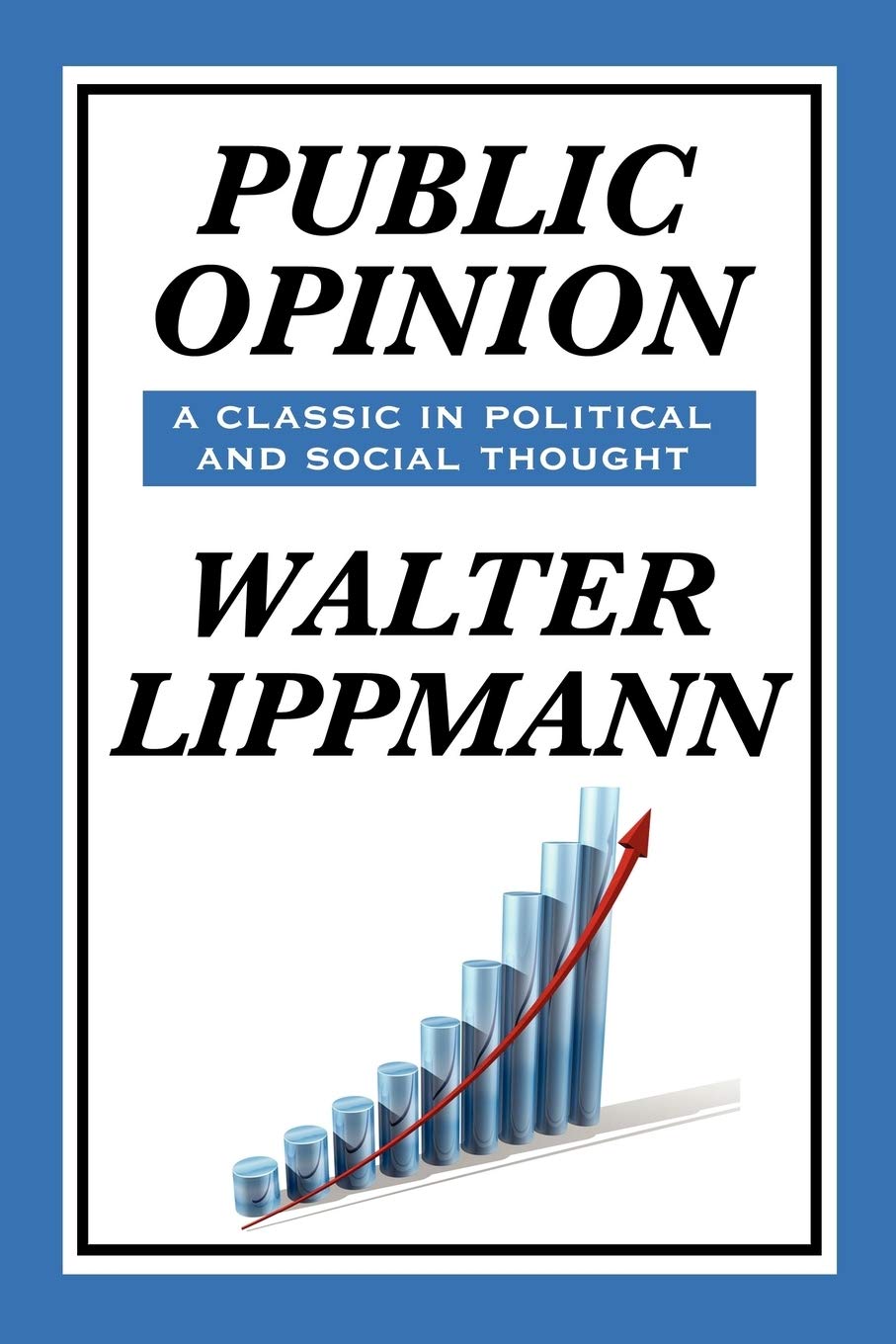
Public Opinion Summary
By Walter Lippmann
Uncover the Hidden Forces Shaping Public Perception
Summary preview
Public Opinion is a book about a simple, uncomfortable fact. Most of us do not deal with the world directly. We deal with pictures in our heads. We move through life by means of reports, rumors, symbols, headlines, habits, and half seen scenes. We imagine nations we have never visited, people we have never met, events we have never witnessed. Then we act on those images as if they were the solid world itself. That is the trouble at the heart of modern politics, and it is the trouble this book tries to make plain. Walter Lippmann begins with the gap between the world outside and the pictures inside. The world is large, crowded, hidden, and fast moving. Human attention is small, selective, hurried, and burdened with old beliefs. Since no citizen can see more than a sliver of public affairs firsthand, we depend on maps of reality made by others. News reports, official statements, party slogans, patriotic myths, school lessons, and social conventions all help build these maps. Some are useful. Some are dangerously false. Yet whether true or false, they shape what people fear, admire, vote for, and fight over. The book is not only about error. It is also about why error is so tempting. We simplify because we must. We sort people into types because the world is too intricate to grasp in full detail. We cling to stereotypes because they save effort and protect pride. We notice facts that fit our expectations and ignore what disturbs them. We mistake our small corner for the whole landscape. And when institutions need support, they often supply ready made pictures that satisfy emotion better than they satisfy truth. From there the argument opens into journalism, propaganda, censorship, leadership, democracy, and the place of experts. A society that worships the ideal of the all knowing citizen, while giving him only scraps and shadows, is building on illusion. The common story says that public opinion naturally expresses the informed will of the people. This book asks you to pause before accepting that comforting tale. What if public opinion is often manufactured, misdirected, fragmented, and based on symbols rather than realities. What if the machinery of consent works not through open reasoning alone, but through suggestion, selection, and the management of attention. Yet the mood is not despairing. The purpose is corrective. If we understand how opinion is formed, we may judge it more honestly. If we see the limits of ordinary perception, we may build better institutions for gathering and testing facts. If we stop pretending that citizens can know everything, we may begin asking how a modern public can be responsibly guided without being deceived. That is the journey ahead. It begins in the shadows between reality and imagination, and it ends with a searching look at what democracy can truly demand of the human mind.
Sign up to continue reading
Get access to full book summaries, audio of the summaries, and many more.
Similar Books
Books with a similar vibe—explore more like this.

Once Upon a Stranger
Gillian Sandstrom
The Science of How Small Talk Can Add Up to a Big Life
4.7 (21)22 mins
How to Know a Person
David Brooks
The Art of Seeing Others Deeply and Being Deeply Seen
4.4 (692)26 mins

Flipnosis
Kevin Dutton
The Art of Split-Second Persuasion
4.4 (38)23 mins
Modern Friendship
Anna Goldfarb
How to Nurture Our Most Valued Connections
4.3 (8)21 mins
Cultish
Amanda Montell
The Language of Fanaticism
4.1 (937)21 mins
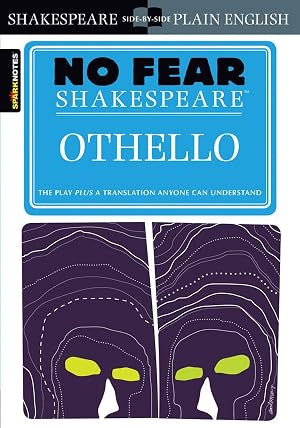
Othello
William Shakespeare
Love, Betrayal, and the Fall of a Hero
4.8 (14)22 mins
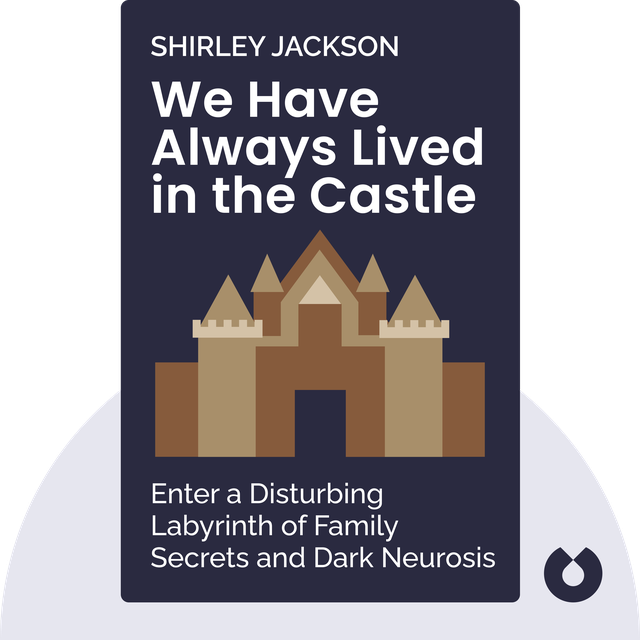
We Have Always Lived in the Castle
Shirley Jackson
Enter a Disturbing Labyrinth of Family Secrets and Dark Neurosis
4.8 (5)14 mins
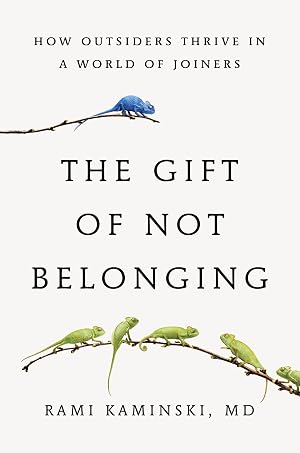
The Gift of Not Belonging
Rami Kaminski
How Outsiders Thrive in a World of Joiners
4.7 (89)22 mins

Tribe
Sebastian Junger
On Homecoming and Belonging
4.7 (17)31 mins
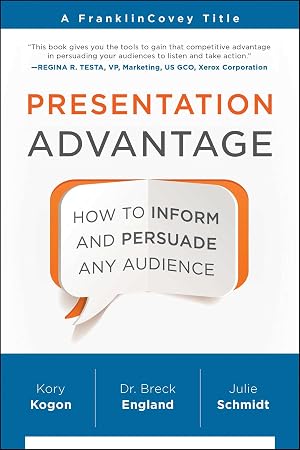
Presentation Advantage
Kory Kogon, Breck England and Julie Schmidt
How to Inform and Persuade Any Audience
4.7 (72)19 mins