
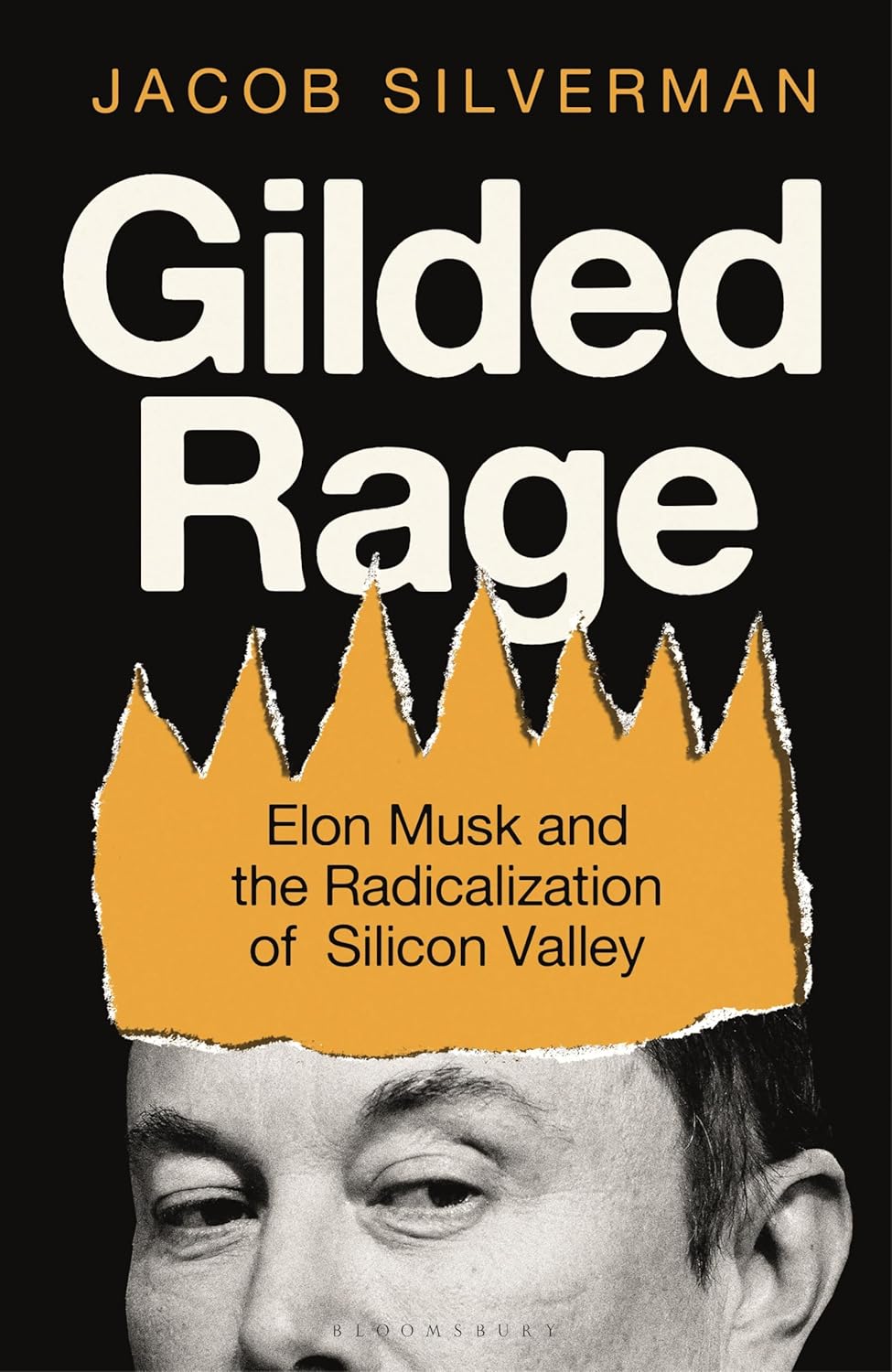
Gilded Rage Summary
By Jacob Silverman
Elon Musk and the Radicalization of Silicon Valley
Summary preview
Money always tells a story, but in Gilded Rage the story is not really about money alone. It is about what happens when extreme wealth, weak oversight, political vanity, and digital speed all fuse into one blazing spectacle. Jacob Silverman sets out to explain the rise and collapse of Sam Bankman Fried and the crypto empire around FTX, yet the book keeps widening its lens. What begins as a tale of one wunderkind in cargo shorts becomes a portrait of an era that confused clever branding with moral seriousness, liquidity with legitimacy, and online hype with real value. The book moves through the strange culture of cryptocurrency, a world that promised liberation from banks and governments but often rebuilt the oldest grifts in shinier form. Here, idealism sat beside naked greed. There were true believers talking about financial freedom, privacy, and a fairer system. There were also promoters, traders, political operatives, celebrities, and venture capitalists who saw a chance to strike gold in a market where rules were thin and memory was short. Into that atmosphere stepped Bankman Fried, who sold himself as a math genius, a philanthropist, and a responsible face for an unruly industry. He did not present himself as a pirate. He presented himself as the adult in the room. That image mattered. It helped him win trust from investors, lawmakers, journalists, and ordinary users. He spoke the language of risk management and public service while his businesses were stitched together through conflicts of interest, reckless leverage, and private privilege. Silverman is especially sharp on this point. The scandal was not just that a founder may have stolen customer funds. It was that so many sophisticated people wanted to believe in him, even when warning signs were flashing. The book shows how charisma and ideology can become a shield. If someone talks fast enough about doing good, saving the world, and regulating the future, many people stop asking the old boring questions about governance, books, and controls. What makes the account gripping is that it never treats the FTX collapse as an isolated bad apple story. It places the fraud inside a longer history of boom and bust, libertarian fantasy, and American elite impunity. Crypto had always advertised itself as a rebellion. Yet the higher it climbed, the more it resembled the financial system it claimed to replace, only with fewer brakes and even more worship of founders. The book is about ambition and self deception, but it is also about the machinery that rewards both. By the time the empire implodes, the lesson is larger than one exchange or one man. This is a book about the seductions of modern wealth, the theater of virtue, and the dangerous gap between what powerful people say and what they actually build.
Sign up to continue reading
Get access to full book summaries, audio of the summaries, and many more.
Similar Books
Books with a similar vibe—explore more like this.
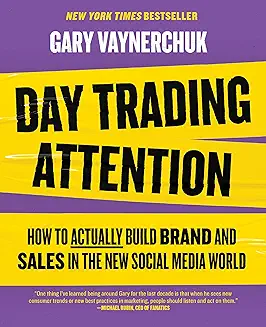
Day Trading Attention
Gary Vaynerchuk
Build Brand and Sales in the New Social Media World
4.5 (947)21 mins
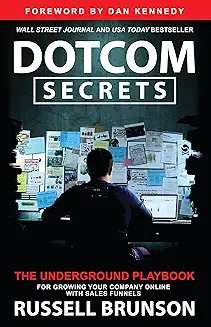
Dotcom Secrets
Russell Brunson
The Underground Playbook for Growing Your Company Online with Sales Funnels
4.4 (836)25 mins
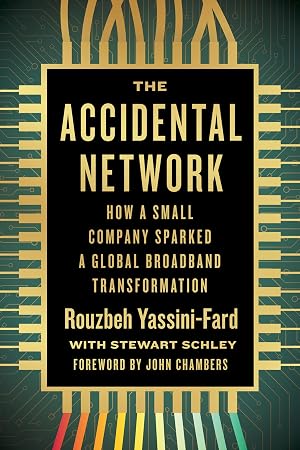
The Accidental Network
Rouzbeh Yassini-Fard & Stewart Schley
How a Small Company Sparked a Global Broadband Transformation
4.4 (8)26 mins
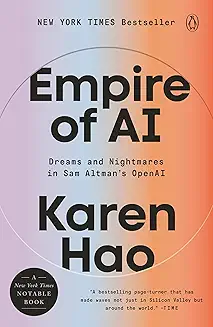
Empire of AI
Karen Hao
Dreams and Nightmares in Sam Altman's OpenAI
4.3 (459)19 mins
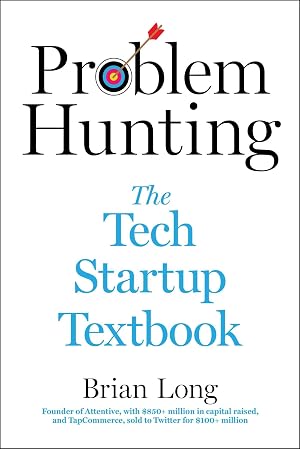
Problem Hunting
Brian Long
The Tech Startup Textbook
4.2 (18)22 mins
Human/Machine
Daniel Newman and Olivier Blanchard
The Future of our Partnership with Machines
4.0 (350)28 mins
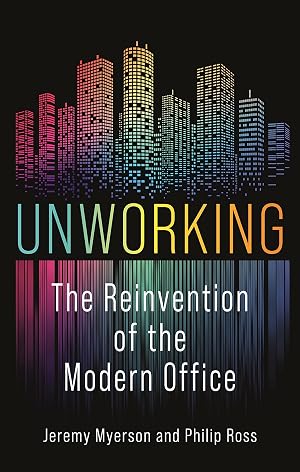
Unworking
Jeremy Myerson & Philip Ross
The Reinvention of the Modern Office
3.8 (5)21 mins
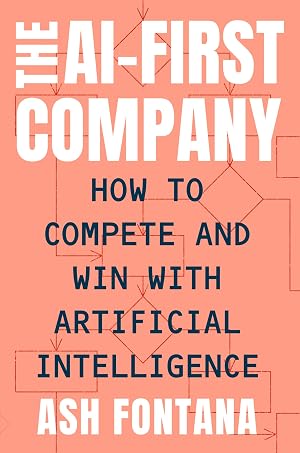
The AI-First Company
Ash Fontana
How to Compete and Win with Artificial Intelligence
3.8 (7)24 mins
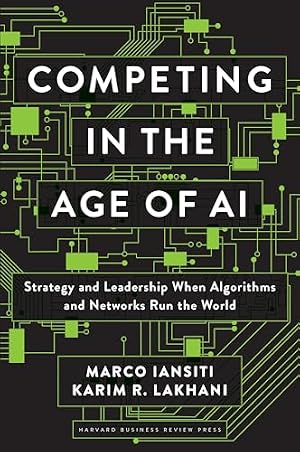
Competing in the Age of AI
Marco Iansiti & Karim R. Lakhani
Strategy and Leadership When Algorithms and Networks Run the World
3.6 (49)13 mins

Girl Code
Cara Alwill Leyba
Secrets to Sanity and Success for the Female Entrepreneur
4.9 (4)21 mins