
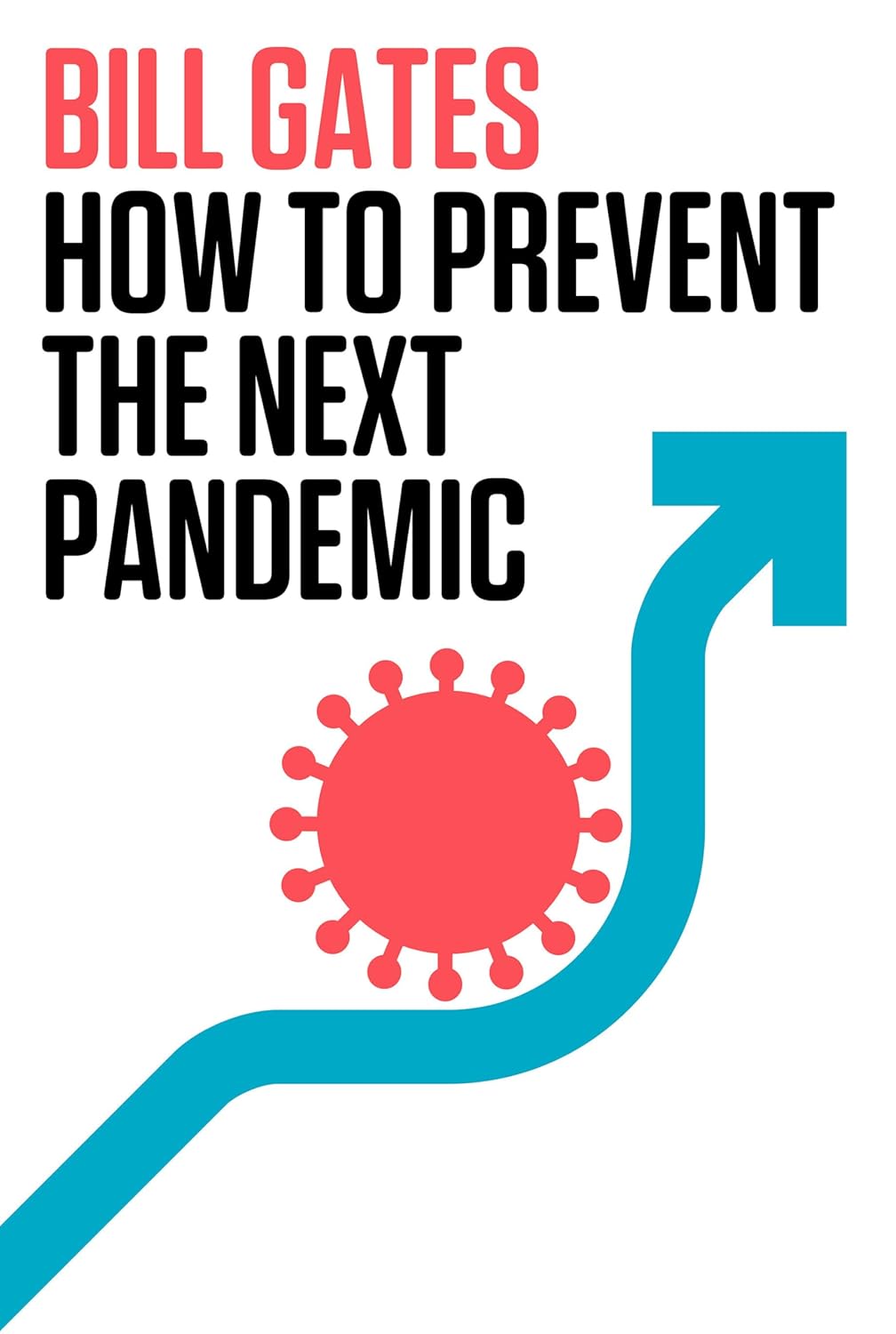
How to Prevent the Next Pandemic Summary
By Bill Gates
What We've Learned From COVID-19 & the Changes We Need to Make
Summary preview
When Bill Gates wrote How to Prevent the Next Pandemic, he was not trying to replay every headline from Covid 19. He was trying to answer a harder and more useful question. Now that the world has seen how much damage an outbreak can do, what do we need to build so that the next one never turns into the same kind of catastrophe? The book is a plan, but it is also a plea. We do not have to accept mass death, closed schools, overwhelmed hospitals, shattered economies, and years of fear as inevitable. We can choose to prepare. The heart of the book is simple. Pandemics are not rare accidents anymore. They are recurring threats in a world where people move fast, cities are crowded, health systems are uneven, and viruses can spread before anyone realizes what is happening. Covid 19 exposed weak points almost everywhere. Rich countries had scientific power but often moved too slowly. Poor countries were left waiting for tests, treatments, oxygen, and vaccines. Public health agencies were underfunded. Supply chains broke. Misinformation spread almost as fast as the virus itself. The result was not just a medical crisis. It became a crisis of trust, politics, and basic human cooperation. What makes the book distinctive is its practical focus. Rather than offering a vague wish that leaders should do better next time, it lays out the systems, tools, and investments needed to detect outbreaks early, contain them quickly, and respond at global scale. The argument is that preparedness should work like an insurance policy. You spend money before disaster strikes so that when danger appears, you do not lose far more in lives and wealth. That means stronger disease surveillance, faster diagnostics, better medical countermeasures, resilient health systems, and a trained global response team ready to move the moment alarms go off. The book also reflects years of work in global health. It draws on lessons from polio campaigns, vaccine development, malaria control, and partnerships with scientists, governments, and public health experts. Again and again, the message is that innovation matters, but organization matters just as much. Great tools do not save lives if they arrive late, if manufacturing is too limited, or if countries refuse to share data. Science gave the world astonishing breakthroughs during Covid 19, especially vaccines. But science alone could not overcome political paralysis and weak delivery systems. Running through everything is a sense of urgency mixed with optimism. The warning is blunt. Another pandemic will come, and it could be even worse. But the confidence is just as strong. Humanity already knows enough to do much better. We have the knowledge to spot dangerous pathogens, the technology to design vaccines quickly, and the resources to build a safer system. What has been missing is commitment. This book tries to supply that missing push by showing what preparedness really looks like and why the cost of action is tiny compared with the cost of neglect.
Sign up to continue reading
Get access to full book summaries, audio of the summaries, and many more.
Similar Books
Books with a similar vibe—explore more like this.
Bedtime Biography: Yes I Can
Sammy Davis, Jr. and Jane and Burt Boyar
The Story of Sammy Davis Jr.
4.9 (7)26 mins
American Lion
Jon Meacham
Andrew Jackson in the White House
4.9 (16)35 mins
Rise Up, Women!
Diane Atkinson
The Remarkable Lives of the Suffragettes
4.8 (5)25 mins
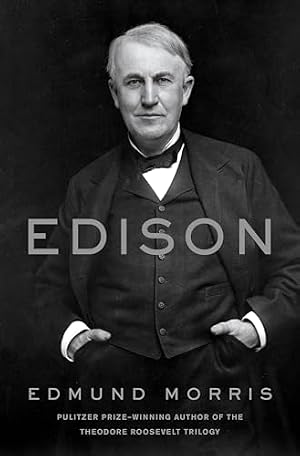
Bedtime Biography: Edison
Edmund Morris
A look into the unknown stories of Thomas Edison's life
4.8 (36)23 mins

Lawrence in Arabia
Scott Anderson
War, Deceit, Imperial Folly and the Making of the Modern Middle East
4.8 (41)39 mins

Beethoven
Laura Tunbridge
A Life in Nine Pieces
4.7 (24)34 mins
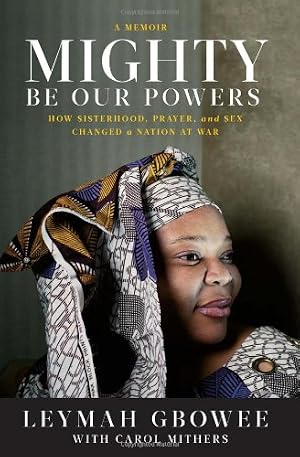
Mighty Be Our Powers
Leymah Gbowee with Carol Mithers
How Sisterhood, Prayer, and Sex Changed a Nation at War
4.7 (4)25 mins
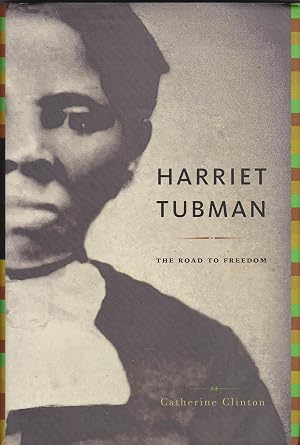
Bedtime Biography: Harriet Tubman
Catherine Clinton
The Road to Freedom
4.7 (34)26 mins
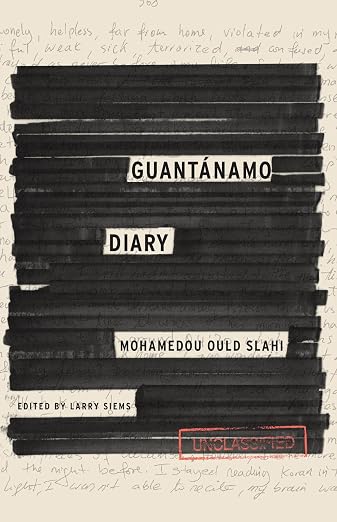
Guantánamo Diary
Mohamedou Ould Slahi, edited by Larry Siems
Guantanamo from the Inside
4.7 (3)27 mins

Bedtime Biography: Frida
Hayden Herrera
A Biography of Frida Kahlo
4.7 (12)21 mins