
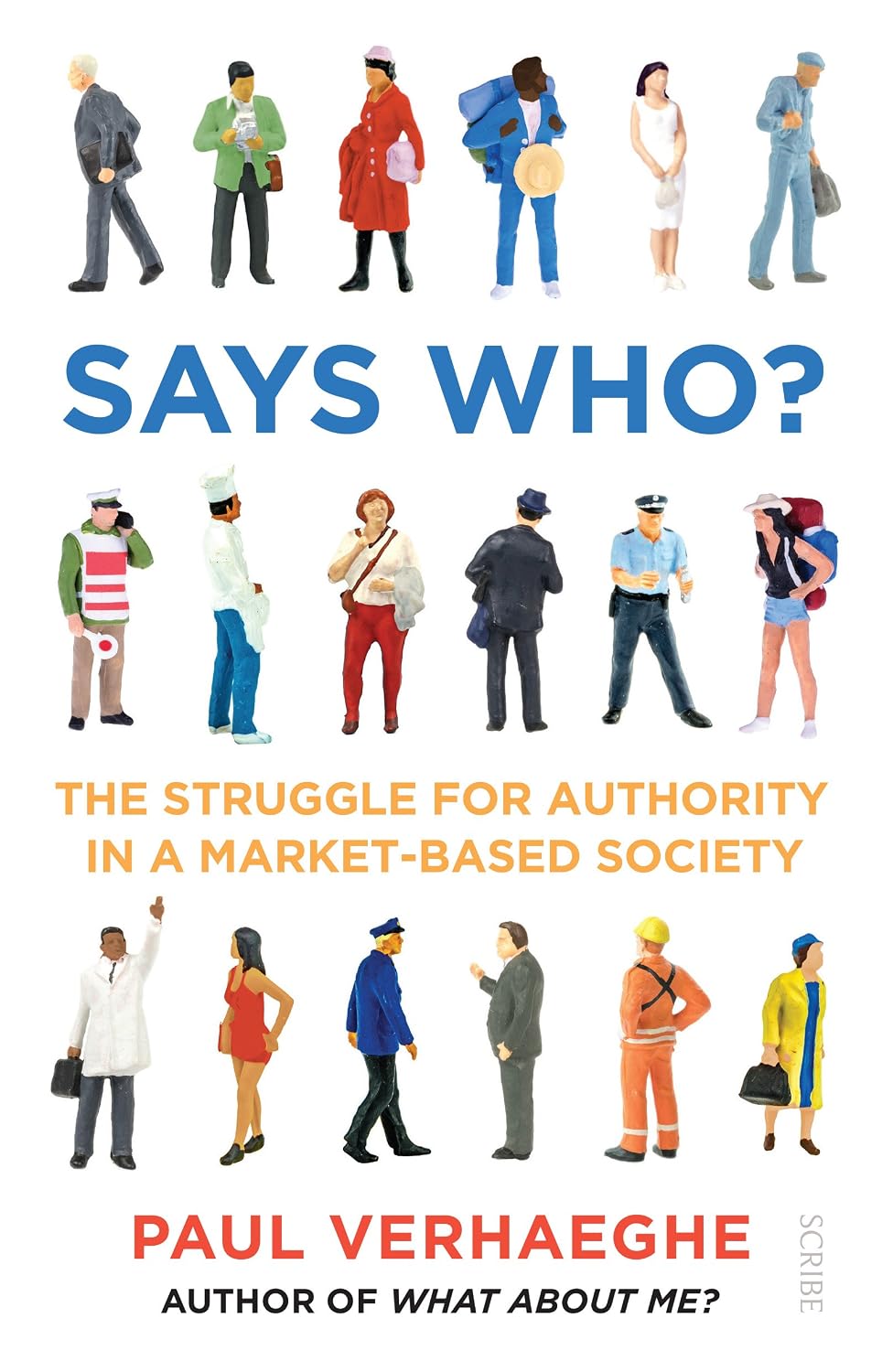
Says Who? Summary
By Anne Curzan
A Kinder, Funner Usage Guide for Everyone Who Cares About Words
Summary preview
If you have ever been corrected for saying a word “wrong,” or felt a little thrill when you knew a grammar rule that someone else broke, or worried that your own way of speaking might make people judge you, then you are already living inside the big question at the heart of Says Who? Anne Curzan takes that question seriously, but never stiffly. She invites you into the lively, messy world of language where people argue, laugh, cringe, adapt, and create every day. The real subject is not just grammar, pronunciation, or word choice. It is authority. Who gets to decide what counts as good English? Who gets to say what is right, what is wrong, what is clear, what is polite, what is educated, and what is acceptable? What makes the book so engaging is that it does not pretend there is one simple answer. Instead, it opens up the tension many of us already feel. On one hand, language changes constantly, whether anyone likes it or not. New words appear, old meanings shift, pronunciations move around, and constructions that once shocked people become ordinary. On the other hand, people need standards too. Schools teach them. Editors rely on them. Employers use them. Public life often runs on them. So the book lives in the space between freedom and rule, between linguistic curiosity and social consequence. The guiding voice here is practical, funny, generous, and wonderfully alert to contradiction. You are not asked to stop caring about language. You are asked to care more wisely. That means learning where rules come from, noticing which ones help readers and listeners, and questioning which ones mainly serve as badges of status. It also means seeing that arguments about English are never only about English. They are often about class, race, region, education, power, identity, and belonging. Again and again, the book turns everyday examples into ways of thinking more deeply. A disputed apostrophe, a supposedly annoying pronunciation, a new verb, a familiar complaint about young people, a usage guide warning against some common phrase, all of these become clues. They show how language is shaped by use, by history, by institutions, and by our feelings about change. They also reveal that “correctness” can mean very different things depending on whether you are talking about grammar, style, formality, audience, or social expectation. By the time the book gets going, you can feel its larger promise. It is not trying to hand you a final list of answers. It is trying to give you better questions, better tools, and a sharper ear. It wants you to become the kind of language user who can hear both the system and the struggle, both the pattern and the prejudice, both the pleasure and the politics. That is what makes this book feel so alive. It treats language not as a museum object to be guarded, but as a shared human resource that is always being negotiated.
Sign up to continue reading
Get access to full book summaries, audio of the summaries, and many more.
Similar Books
Books with a similar vibe—explore more like this.
Playful
Cas Holman
How Play Shifts Our Thinking and Sparks Creativity
4.5 (13) mins
More Than Words
Maryellen MacDonald
How Talking Sharpens the Mind and Shapes Our World
4.4 (16)20 mins
The Courage to Teach
Parker J. Palmer
Exploring the Inner Landscape of a Teacher's Life
4.2 (5)23 mins
Why We Sleep
Matthew Walker
Unlocking the Power of Sleep and Dreams
4.8 (1560)17 mins

Alice in Wonderland
Lewis Carroll
Follow Alice down a rabbit hole of whimsical, witty absurdity.
4.8 (5) mins
No One Succeeds Alone
Robert Reffkin
Learn Everything You Can from Everyone You Can
4.8 (9) mins

Set Boundaries, Find Peace
Nedra Glover Tawwab
A Guide to Reclaiming Yourself
4.7 (819)27 mins
Once Upon a Stranger
Gillian Sandstrom
The Science of How Small Talk Can Add Up to a Big Life
4.7 (21) mins
Distancing
L. David Marquet, Michael A. Gillespie
How Great Leaders Reframe to Make Better Decisions
4.7 (22) mins
The New Emotional Intelligence
Travis Bradberry
Master your emotional skills for lasting success
4.7 (48) mins