
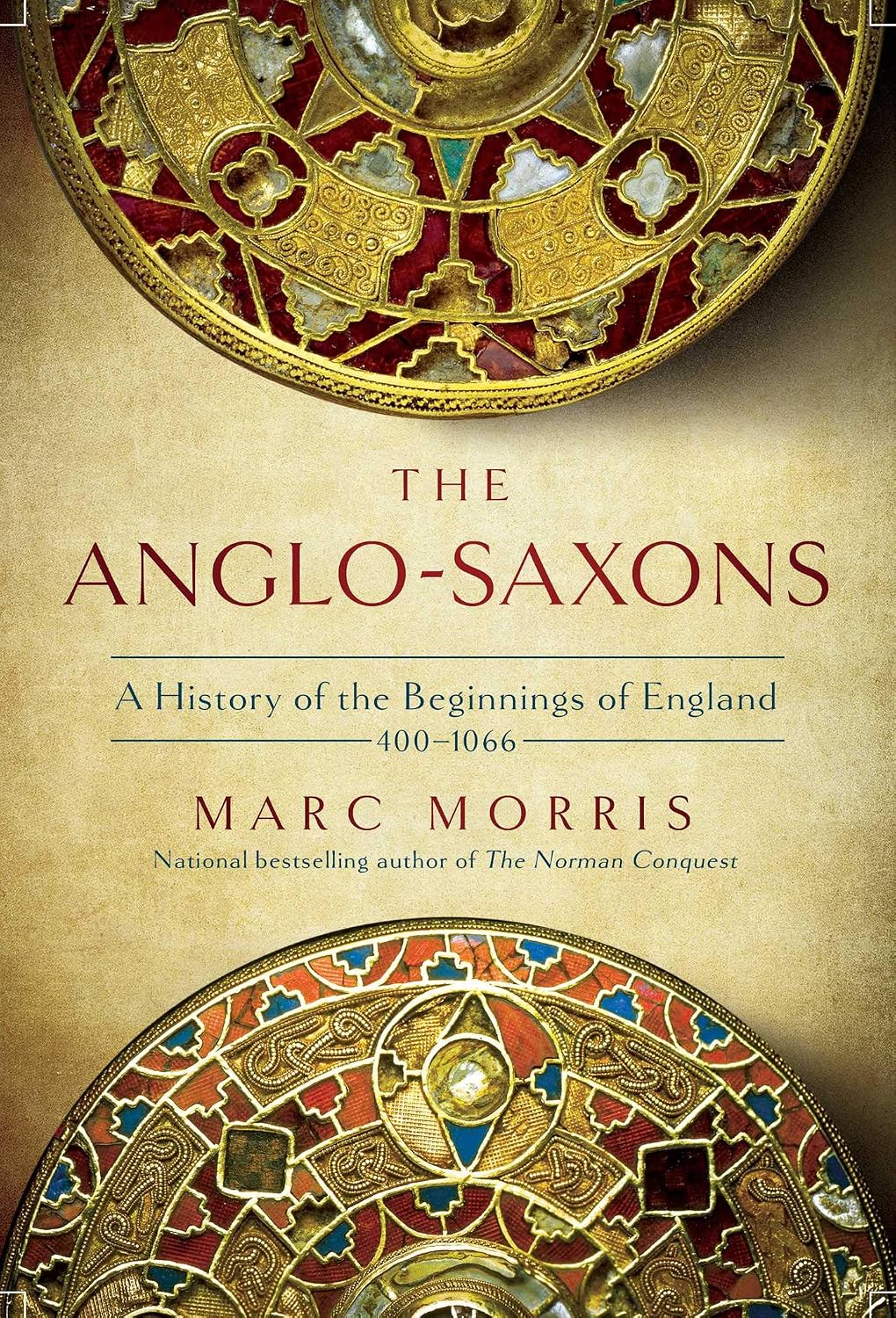
Summary preview
To tell the story of the Anglo Saxons is to tell the story of England being made, though not in any neat or tidy way. It begins in the long shadow left by Rome, when an island that had once been part of an empire found itself exposed, frightened, and uncertain. Out of that confusion came new peoples, new kingdoms, new languages, new forms of power, and eventually a new idea of what this place was. The book follows that vast transformation across six centuries, from the collapse of Roman rule in Britain to the great rupture of 1066. What emerges is not a dim prelude to better known medieval history, but a vivid age in its own right, crowded with warriors, monks, queens, kings, saints, raiders, lawgivers, and empire builders. Marc Morris tells this story with a keen eye for what can still be known and what cannot. The Anglo Saxons left us treasures, poems, charters, churches, burials, law codes, and chronicles, but they also left silences. So part of the pleasure here lies in watching scraps of evidence come alive. A ship burial at Sutton Hoo, a line in Bede, a coin, a ruined earthwork, a king list copied by a monk, all become clues in a detective story about power and belief. The world they reveal is often harsh, sometimes strange, and always more complicated than old myths allow. One of the great strengths of the book is that it refuses to treat the Anglo Saxons as a single unchanging people. They arrive as migrants and mercenaries, then become settlers and conquerors. They divide into rival kingdoms and slowly absorb the native population. They remain pagans for generations, then convert to Christianity and fill the landscape with monasteries and minsters. Their rulers battle one another for supremacy, while outside enemies, especially the Vikings, force them to adapt or perish. In time, kings such as Alfred, Athelstan, and Edgar turn a patchwork of lordships into something that looks much more like a kingdom of England. Yet this is not simply a tale of steady progress. Again and again the story swerves. Kingdoms rise and vanish. Promising dynasties are wiped out. Faith inspires learning and beauty, but also fierce political struggle. The Vikings devastate and renew. Even at the height of English power, danger gathers from abroad. By the end, the Norman Conquest appears not as an isolated bolt from the blue, but as the final chapter in a long history of invasion, adaptation, ambition, and state building. What gives the whole account its force is the sense that these people, often thought remote, were wrestling with urgent human problems. Who should rule, and why? What makes a people one people? How do violence and faith sit side by side? How do societies survive collapse? Those questions run through everything that follows, and they make this early history feel startlingly alive.
Sign up to continue reading
Get access to full book summaries, audio of the summaries, and many more.
Similar Books
Books with a similar vibe—explore more like this.

Bedtime Biography: Yes I Can
Sammy Davis, Jr. and Jane and Burt Boyar
The Story of Sammy Davis Jr.
4.9 (7)26 mins
The Little Prince
Antoine de Saint-Exupéry
A Tale About the Human Condition and the Search for Happiness
4.9 (36)22 mins
I Know why the Caged Bird Sings
Maya Angelou
An Autobiography of Overcoming Racism and Trauma With Literature
4.9 (21)20 mins
Nineteen Eighty-Four (1984)
George Orwell
A Dystopian Classic on the Dangers of Totalitarianism
4.9 (697)17 mins
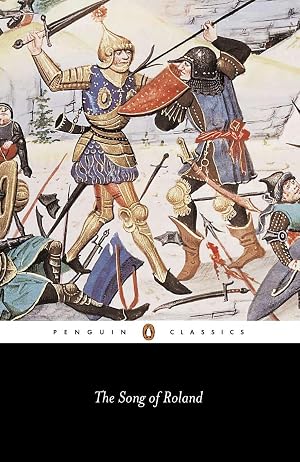
The Song of Roland
Anonymous
Enter a World of Medieval Heroism, Where Honor Reigns Supreme
4.9 (3)20 mins

American Lion
Jon Meacham
Andrew Jackson in the White House
4.9 (16)35 mins

The Diary of a Young Girl
Anne Frank
The famous story of a Jewish girl who went into hiding during the Second World War
4.8 (192)31 mins
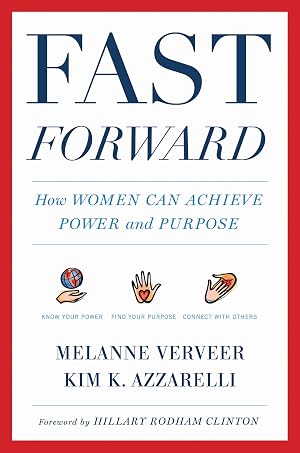
Fast Forward
Melanne Verveer and Kim K. Azzarelli
How Women Can Achieve Power and Purpose
4.8 (4)29 mins

Utilitarianism
John Stuart Mill
Explore a Timeless Ethics Classic
4.8 (46)24 mins
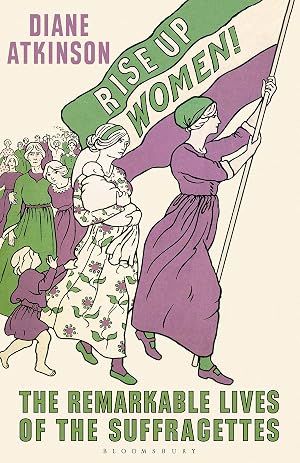
Rise Up, Women!
Diane Atkinson
The Remarkable Lives of the Suffragettes
4.8 (5)25 mins