
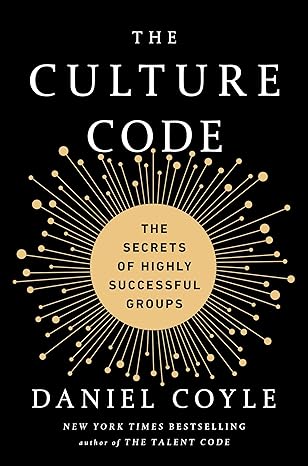
The Culture Code Summary
By Daniel Coyle
The Secrets of Highly Successful Groups
Summary preview
Some groups just click. You can feel it the moment you step inside. People listen closely. They trade ideas freely. They work hard for each other. They make smart decisions under pressure. They recover from mistakes fast. And somehow, they create results that seem bigger than the talent of any single person in the room. That is the mystery this book sets out to solve. At first glance, culture can seem soft, vague, almost magical. We talk about chemistry, fit, trust, vibe. We act as if high performing groups are born with a secret ingredient that the rest of us can only admire from a distance. But the real argument here is much more hopeful. Great culture is not magic. It is not a gift handed to a lucky few. It is a set of skills. It is something people build together through repeated signals, habits, and interactions that tell every member of the group who they are, what they belong to, and how they should act when things get hard. Daniel Coyle travels across a wide range of worlds to make this case. He studies a school in trouble that turns itself around, an elite military unit, a comedy team, a championship basketball organization, a jewelry store known for unusual service, and a gang whose members become fiercely bonded for destructive ends. That range matters. It shows that culture is powerful whether it is used for good or bad. Human beings are built to connect around shared signals. The question is not whether culture exists. The question is what kind of culture we are building every day. The book breaks this puzzle into three big skills. The first is creating safety, the feeling that you belong here and that this group will protect and value you. The second is sharing vulnerability, the act of opening up, admitting weakness, and creating trust through honest dependence. The third is establishing purpose, which means filling the group with clear priorities, repeated stories, and practical reminders of what matters most. When these three skills work together, people stop guarding themselves and start giving themselves. They cooperate better. They learn faster. They take risks that lead to growth. What makes this book stick is that it does not stay in theory. It lives in scenes, in awkward conversations, in tiny moments that send big signals. A leader sits in a circle instead of at the head of a table. A coach admits he does not have all the answers. A team repeats simple phrases until they become shared instinct. A researcher discovers that the best predictor of performance is not genius but a pattern of attention and care. Piece by piece, the invisible becomes visible. By the time you move through these pages, culture stops being an abstract noun. It becomes a craft. It becomes a language of belonging. And it becomes clear that the smallest behaviors often carry the loudest message.
Sign up to continue reading
Get access to full book summaries, audio of the summaries, and many more.
Similar Books
Books with a similar vibe—explore more like this.
Rebel Ideas
Matthew Syed
The Power of Diverse Thinking
4.5 (1352)24 mins
The Laws of Human Nature
Robert Greene
What affects your day-to-day life
4.4 (940)32 mins
Crucial Conversations
Kerry Patterson, Joseph Grenny, Ron McMillan, Al Switzler
Tools for Talking When Stakes Are High
4.3 (658)32 mins
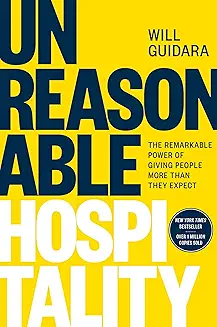
Unreasonable Hospitality
Will Guidara
The Remarkable Power of Giving People More Than They Expect
4.3 (829)27 mins
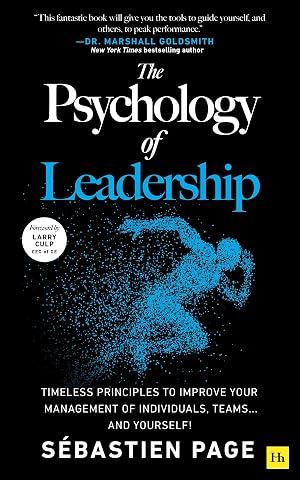
The Psychology of Leadership
Sébastien Page
Timeless principles to perfect your leadership
4.0 (13)20 mins
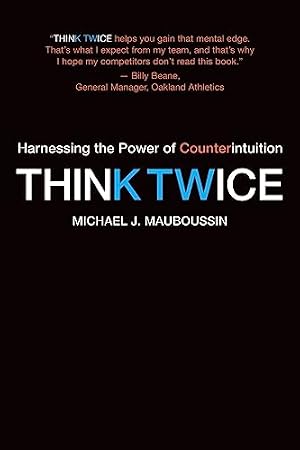
Think Twice
Michael J. Mauboussin
Harnessing the Power of Counterintuition
3.8 (74)14 mins
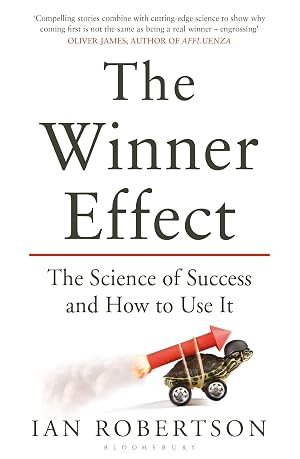
The Winner Effect
Ian H. Robertson
The Science of Success and How to Use It
3.8 (26)20 mins

Effective Decision-Making
Edoardo Binda Zane
How to Make Better Decisions Under Uncertainty and Pressure
3.6 (18)25 mins
Surrender to Lead
Jessica Kriegel, Joe Terry
The Counterintuitive Approach to Driving Extraordinary Results
4.9 (7)21 mins
Next Play
Alan Stein Jr.
Improve Team Performance, Productivity, and Fulfillment
4.9 (34)26 mins