
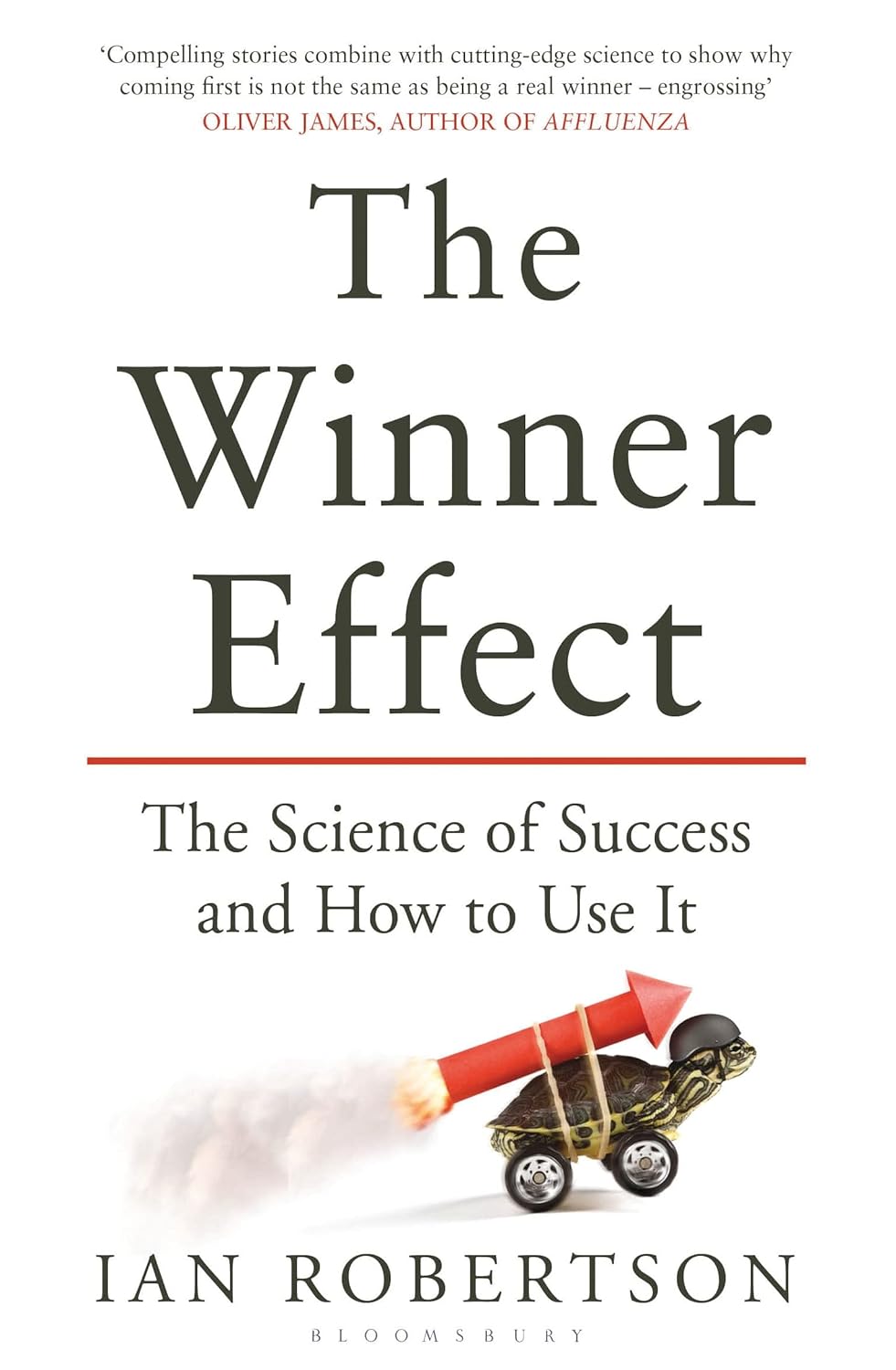
The Winner Effect Summary
By Ian H. Robertson
The Science of Success and How to Use It
Summary preview
Why do some people rise after a small success and seem to gather more victories as they go, while others stumble, shrink, or become strangely reckless once they get what they wanted? That is the living question at the heart of The Winner Effect. Ian H. Robertson takes you into the brain, into history, into politics, into sport, and into everyday life to show that winning is not just a social event. It is also a biological event. Success changes the chemistry of the brain and body. It alters attention, confidence, drive, and even the way chance itself seems to bend around a person. Once you see that, winning no longer looks like a simple reward for talent. It begins to look like a force that can build a life or distort it. The book turns around a striking idea. Victory can make you more likely to win again. Defeat can make you more likely to lose again. This happens partly because success can lift testosterone, sharpen focus, increase boldness, and strengthen the expectation that effort will pay off. But that same process can also tip into arrogance, addiction to status, blindness to risk, and contempt for limits. The chemistry that helps a person perform under pressure can, if left unchecked, lead to disaster. So the winner effect is not a celebration of domination. It is a warning as much as an explanation. What makes the book so compelling is the way it joins intimate human stories to hard science. You move from monkeys and mice to stock traders and presidents, from schoolchildren to chief executives, from depression and humiliation to power and triumph. The point is never that human beings are slaves to hormones. The point is subtler and more hopeful. Biology and experience are in constant conversation. A social victory can become a chemical signal. A chemical signal can change future behavior. That behavior can then create another social result. A loop forms. And because it is a loop, it can sometimes be interrupted, redirected, or used wisely. At the center of this exploration is status. Human beings are exquisitely sensitive to where they stand in relation to others. We scan for signs of respect, threat, belonging, and rank almost all the time, often without noticing it. These signals shape our mood, our health, and our ambition. They influence who speaks up, who stays silent, who dares, who submits, and who breaks rules. The book asks you to look closely at this hidden system and to see how much of modern life still runs on ancient circuits. By the end, what emerges is a deeply human picture. Success can energize and enlarge us. Failure can wound and narrow us. Yet neither fate is fixed. The real challenge is to understand the brain's response to both, so that power does not intoxicate us and loss does not define us. That is the journey ahead.
Sign up to continue reading
Get access to full book summaries, audio of the summaries, and many more.
Similar Books
Books with a similar vibe—explore more like this.
The Culture Code
Daniel Coyle
The Secrets of Highly Successful Groups
4.5 (1129)28 mins
Rebel Ideas
Matthew Syed
The Power of Diverse Thinking
4.5 (1352)24 mins
The Laws of Human Nature
Robert Greene
What affects your day-to-day life
4.4 (940)32 mins
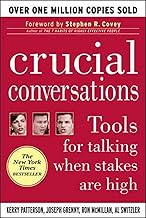
Crucial Conversations
Kerry Patterson, Joseph Grenny, Ron McMillan, Al Switzler
Tools for Talking When Stakes Are High
4.3 (658)32 mins
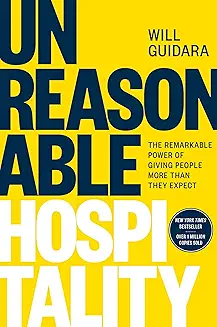
Unreasonable Hospitality
Will Guidara
The Remarkable Power of Giving People More Than They Expect
4.3 (829)27 mins
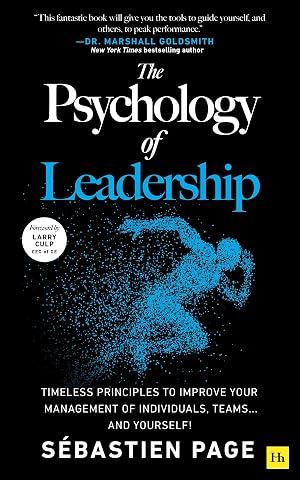
The Psychology of Leadership
Sébastien Page
Timeless principles to perfect your leadership
4.0 (13)20 mins
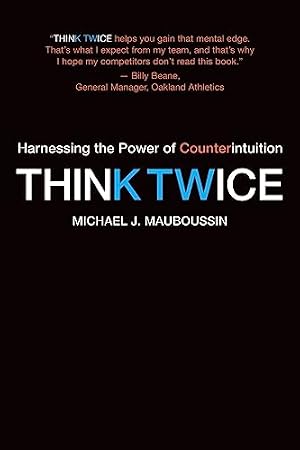
Think Twice
Michael J. Mauboussin
Harnessing the Power of Counterintuition
3.8 (74)14 mins
Effective Decision-Making
Edoardo Binda Zane
How to Make Better Decisions Under Uncertainty and Pressure
3.6 (18)25 mins
Surrender to Lead
Jessica Kriegel, Joe Terry
The Counterintuitive Approach to Driving Extraordinary Results
4.9 (7)21 mins
Next Play
Alan Stein Jr.
Improve Team Performance, Productivity, and Fulfillment
4.9 (34)26 mins