

The Knowledge Illusion Summary
By Steven Sloman & Philip Fernbach
Why We Never Think Alone
Summary preview
Most of us walk through life with a quiet confidence that we understand how the world works. We think we know why a zipper zips, how a toilet flushes, what makes a bicycle stay upright, why a policy will help or hurt, and what caused the last election to go the way it did. But if someone asks us to explain these things in detail, that confidence often melts fast. What felt like solid knowledge turns out to be thin, shared, borrowed, and full of gaps. That is the heart of this book. Steven Sloman & Philip Fernbach invite you to look at a strange fact about the human mind. We are smart, but not in the way we usually imagine. Our intelligence does not live neatly inside individual heads. It lives in groups, tools, traditions, institutions, and conversations. We rely on other people for most of what we call understanding. We lean on experts, on social systems, on technologies we cannot explain, and on communities that carry knowledge no one person could possibly hold alone. This is not a flaw in human life. It is one of the main reasons civilization works at all. Still, this shared way of knowing creates an illusion. Because knowledge is all around us and easily available through other people, we often mistake access for possession. We confuse the knowledge in our community with knowledge in our own minds. That mistake can be funny when it appears in simple things, such as trying and failing to explain how a can opener works. But it becomes serious when it shapes political opinions, moral certainty, public argument, and the choices we make together. People can become passionately convinced of positions they cannot really justify. They can mistake slogans for explanations and tribal loyalty for understanding. The book moves from everyday examples of overconfidence into deeper questions about thought itself. It shows how minds work with bodies and environments, how explanations differ from mere facts, how communities distribute expertise, and why forcing people to explain can soften extreme views. It also explores the darker side of collective intelligence, including polarization, misinformation, and the temptation to trust confidence over competence. What makes this journey so compelling is that it does not simply scold human beings for being ignorant. It paints a more generous picture. You are not meant to know everything. No one is. Human knowledge has always been a joint project. The challenge is to recognize the limits of your own understanding without losing faith in the power of shared thinking. Once you see that clearly, humility stops being weakness. It becomes a tool for better judgment, better politics, and a wiser way of living with one another.
Sign up to continue reading
Get access to full book summaries, audio of the summaries, and many more.
Similar Books
Books with a similar vibe—explore more like this.

The Song of Roland
Anonymous
Enter a World of Medieval Heroism, Where Honor Reigns Supreme
4.9 (3)20 mins
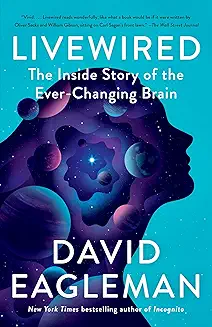
Livewired
David Eagleman
The inside story of the Ever-changing brain
4.8 (544)28 mins
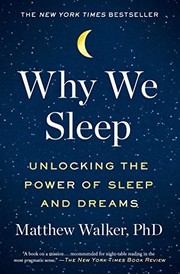
Why We Sleep
Matthew Walker
Unlocking the Power of Sleep and Dreams
4.8 (1560)17 mins

Utilitarianism
John Stuart Mill
Explore a Timeless Ethics Classic
4.8 (46)24 mins

Alice in Wonderland
Lewis Carroll
Follow Alice down a rabbit hole of whimsical, witty absurdity.
4.8 (5)24 mins
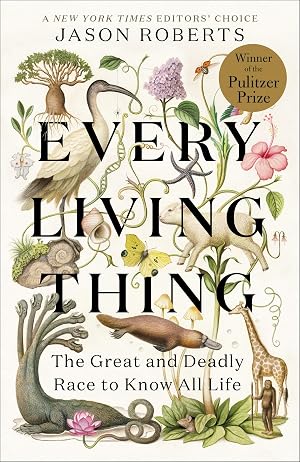
Every Living Thing
Jason Roberts
The Great and Deadly Race to Know All Life
4.8 (7)22 mins
The God Equation
Michio Kaku
The Quest for a Theory of Everything
4.7 (409)28 mins
The Extended Mind
Annie Murphy Paul
The Power of Thinking Outside the Brain
4.7 (971)30 mins
The Neuroscience of You
Chantel Prat
How every brain is different and how to understand yours
4.7 (679)20 mins

Forensics
Val McDermid
What Bugs, Burns, Prints, DNA, and More Tell Us About Crime
4.7 (5)34 mins