
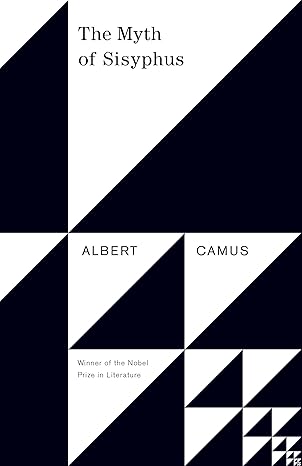
The Myth of Sisyphus
By Albert Camus
An influential existentialist essay about living your life with greater passion and freedom
Introduction
There is only one truly serious philosophical problem, and that is suicide. With that blunt beginning, Albert Camus does not invite you into a dry argument. He pulls you into a confrontation with life itself. What happens when the world no longer answers our deepest need for clarity, order, and meaning? What happens when habit breaks, when the familiar face of daily life suddenly looks strange, and when the old reasons for going on seem weak or borrowed? This book lives in that moment of awakening. It is not a book that tries to prove that life has a hidden purpose. It does not comfort you with grand designs or final explanations. Instead, it asks whether a life without higher meaning can still be lived fully, honestly, even joyfully. The answer given here is yes, but only if we refuse escape. The central idea is the absurd. The absurd is not simply that the world is irrational, nor that human beings are confused. It is born from the meeting between our hunger for reason and the silence of the world. We ask for unity, justice, permanence, and the world offers change, chance, and death. From that collision comes a temptation. If life has no ultimate meaning, should one kill oneself? Or should one leap into religious faith, philosophical systems, or comforting illusions that claim to solve the contradiction? The book rejects both moves. Physical suicide gives up the struggle. Philosophical escape also gives up the struggle, because it covers the wound instead of looking at it. What remains is a harder path and a freer one. We must live without appeal, without final rescue, and still say yes to experience. The pages that follow move through many landscapes. They examine thought, daily life, art, literature, and myth. They look at figures who embody the absurd condition, such as the lover of many lives, the actor, the conqueror, and finally Sisyphus, condemned to roll his rock forever. They also challenge writers and thinkers who come close to the absurd but then turn away from it through hope, transcendence, or mystical reunion. Yet this is not a book of despair. Its strange brightness lies in its refusal to lie. Once illusions fall, a fierce freedom appears. If there is no eternal script, then each moment gains intensity. If there is no final meaning guaranteed from above, then revolt becomes our dignity. To live is not to solve the absurd but to keep it alive, to face it without resignation. That is the pulse of this work. It asks you to stand in the clear air, with no shelter but lucidity, and discover whether that nakedness may become a kind of triumph.
Sign up to continue reading
Get access to full book summaries, audio of the summaries, and many more.
Similar Books
Books with a similar vibe—explore more like this.
The Midnight Library
Matt Haig
A Fantasy Novel About the Choices That Lead to a Life Well-Lived
4.7 (4782)32 mins
The Book of Five Rings
Miyamoto Musashi
A Classic Text on the Japanese Way of the Sword
4.7 (293)23 mins
Beyond Good and Evil
Friedrich Nietzsche
How to free yourself from philosophical dogmas and assert your own values
4.6 (1136)25 mins
A Guide to the Good Life
William B. Irvine
The Ancient Art of Stoic Joy
4.6 (370)31 mins
Understanding and Responding to Self-Harm
Allan House
The One Stop Guide: Practical Advice for Anybody Affected by Self-Harm
4.6 (351)21 mins
How to Be a Stoic
Massimo Pigliucci
Ancient Wisdom For Modern Living
4.6 (567)31 mins
Sun Tzu and the Art of Business
Mark R. McNeilly
Six Strategic Principles for Manager
4.6 (638)24 mins
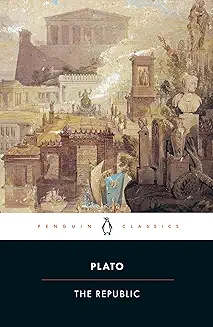
The Republic
Plato
One of the most important philosophical texts ever written
4.6 (1294)39 mins
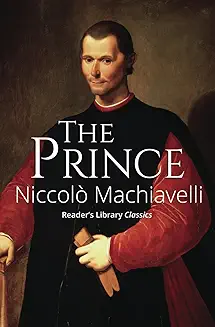
The Prince
Niccolò Machiavelli
Machiavelli’s classic text on leadership and politics
4.6 (973)37 mins
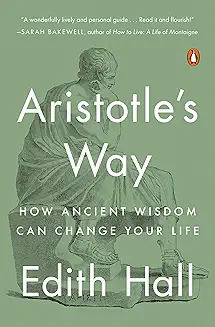
Aristotle's Way
Edith Hall
How Ancient Wisdom Can Change Your Life
4.6 (1073)28 mins