
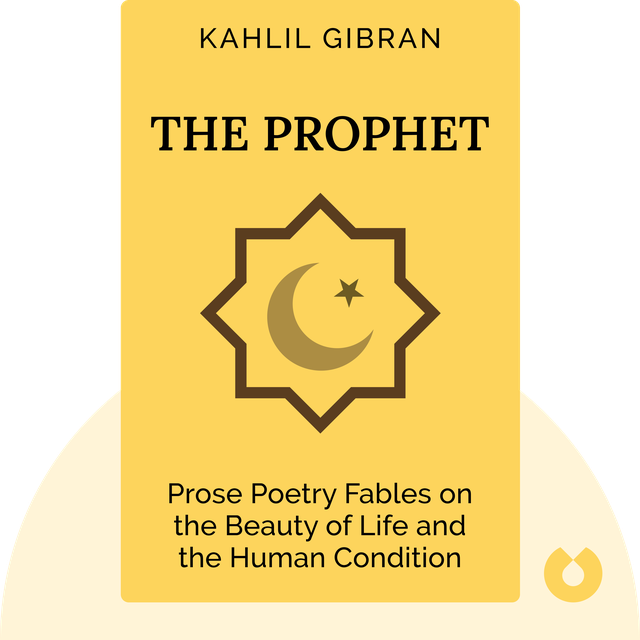
The Prophet Summary
By Kahlil Gibran
Prose Poetry Fables on the Beauty of Life and the Human Condition
Summary preview
A man stands at the edge of departure, and a whole city gathers around him. That is the simple shape of this luminous little book, and within that shape lives a universe. In The Prophet, Kahlil Gibran gives us Almustafa, a wise stranger who has lived for twelve years in the city of Orphalese, waiting for the ship that will carry him home. When at last the ship appears on the sea, the people do not let him leave in silence. They ask him to speak before he goes. They ask about love, marriage, children, work, freedom, joy, sorrow, death, and the many secret chambers of the human heart. What follows is not a plot driven by action, but a procession of living meditations, each one offered like bread broken by hand. The book moves like a farewell, but it feels more like an awakening. Almustafa does not lecture as a scholar would. He speaks as one who has looked deeply into life and found that its seeming opposites belong together. Love wounds and blesses. Joy and sorrow rise from the same well. Freedom can become another chain if sought in the wrong spirit. Possession can starve the soul, while giving can make it rich. Again and again, he turns the listener away from surface appearances and toward the hidden law within things. He asks us not merely to behave well, but to see truly. What makes this work endure is its strange tenderness. It speaks in images that feel ancient and immediate at once. Trees, bread, seeds, bows, arrows, the sea, the seasons, the wind, the body, the soul. These are not decorations. They are doors. Through them, the book says that daily life is itself sacred. The marketplace, the field, the home, the marriage bed, the cradle, the courtroom of conscience, even the grave. Nothing is outside the circle of meaning. The voice is gentle, yet it does not flatter. It tells us that to live fully is to accept both delight and breaking. It tells parents that their children are not their possessions. It tells lovers not to melt into each other too completely. It tells the prosperous that giving is not a matter of spare coins alone. It tells the pious that prayer is more than asking, and that beauty is not something seen only by the eye. Every answer widens the question. So this book is both comfort and challenge. It does not hand you neat rules. It offers a way of being. It invites you to stand, as the people of Orphalese stand, before one who is leaving, and to hear your own life spoken back to you in a clearer music. The pages seem small, yet they contain whole seasons of inward weather. And as the ship waits beyond the shore, every word feels precious, because it may be the last, and because in another sense it has been waiting for you all along.
Sign up to continue reading
Get access to full book summaries, audio of the summaries, and many more.
Similar Books
Books with a similar vibe—explore more like this.
Hamlet
William Shakespeare
A Young Prince's Tragic Descend Into Madness and Revenge
4.8 (43)28 mins
The Midnight Library
Matt Haig
A Fantasy Novel About the Choices That Lead to a Life Well-Lived
4.7 (4782)32 mins
Uncle Tom's Cabin
Harriet Beecher Stowe
The Problem of Slavery and Its Treatment of Human Beings
4.7 (41)25 mins
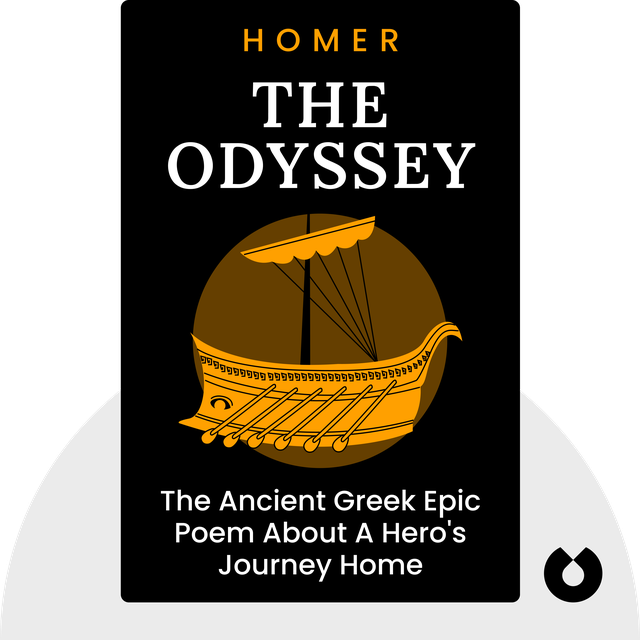
The Odyssey
Homer
The Ancient Greek Epic Poem About A Hero's Journey Home
4.7 (60)24 mins

The Stranger
Albert Camus
A Philosophical Journey Into Alienation
4.6 (64)27 mins

Macbeth
William Shakespeare
Regicide and Revenge in one of the World's Most Famous Tragedies
4.5 (49)24 mins
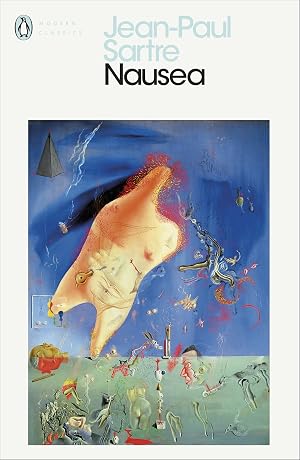
Nausea
Jean-Paul Sartre
Explore and Question the Very Essence of Existence
4.4 (85)22 mins
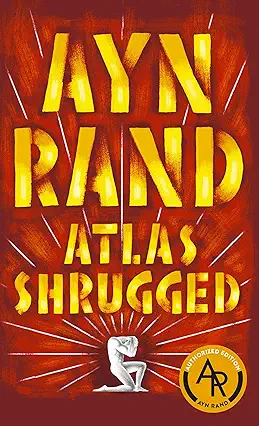
Atlas Shrugged
Ayn Rand
A Philosophical Tale About the Failures of Government Coercion
3.5 (168)14 mins
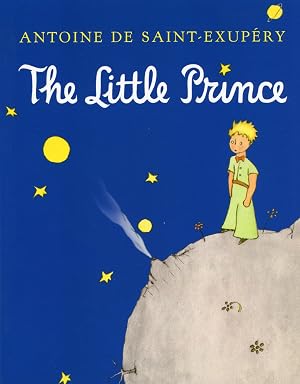
The Little Prince
Antoine de Saint-Exupéry
A Tale About the Human Condition and the Search for Happiness
4.9 (36)22 mins
Nineteen Eighty-Four (1984)
George Orwell
A Dystopian Classic on the Dangers of Totalitarianism
4.9 (697)17 mins