
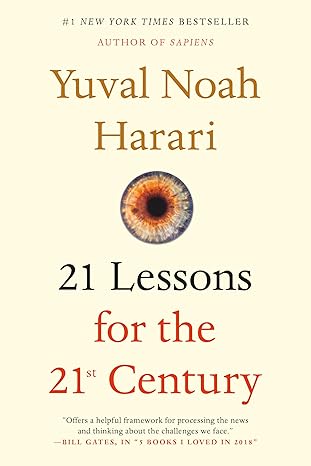
21 Lessons for the 21st Century Summary
By Yuval Noah Harari
Future proof yourself against the 21st Century
Summary preview
We live in a moment when old stories are breaking apart and new ones have not yet taken their place. That is the starting point of this book. It does not try to predict the future with neat confidence, and it does not offer a simple political slogan to calm your fears. Instead, it asks what it means to be human in a world shaken by technological disruption, ecological danger, political confusion, and spiritual uncertainty. If the twentieth century was dominated by wars between nations and ideologies, the twenty first century is more likely to be shaped by struggles over data, attention, identity, and meaning. Yuval Noah Harari begins from a blunt observation. Humanity has become astonishingly powerful, yet many people feel more helpless than ever. We can edit genes, build artificial intelligence, connect billions through digital networks, and map the planet in extraordinary detail. Yet we are not sure what kind of society we are building, who controls these tools, or what they are doing to our minds. We have become very good at gaining power, but much less good at using it wisely. The book moves through some of the biggest questions of our age. What happens when automation makes many jobs unnecessary, or at least transforms them beyond recognition. Can democracy survive in a world where algorithms may know us better than we know ourselves. Why does nationalism still grip people so strongly when climate change, nuclear war, and technological upheaval ignore borders. What becomes of religions, nations, and communities when global systems bind us together while digital culture pulls us into tribes and echo chambers. And beneath all of this lies a more intimate question. How do you stay sane, attentive, and compassionate when you are flooded with noise. This is not a history book in the usual sense. It is a guide for thinking. It tries to cut through panic, propaganda, and comforting myths. Again and again, it asks you to notice the gap between reality and the stories human beings tell about reality. Money, nations, gods, corporations, and human rights all depend in part on shared belief. That does not make them meaningless. It means they are powerful because people cooperate through them. The danger comes when we forget they are stories and begin worshipping them as eternal truths. What follows is a tour through politics, technology, religion, education, media, and the inner life. The mood is urgent but not hopeless. The point is not to scare you into despair. The point is to make you more alert. If the coming century will be shaped by the choices we make, then the first task is to see clearly what is happening now, what illusions hold us captive, and what kind of wisdom we will need if we are to remain free.
Sign up to continue reading
Get access to full book summaries, audio of the summaries, and many more.
Similar Books
Books with a similar vibe—explore more like this.
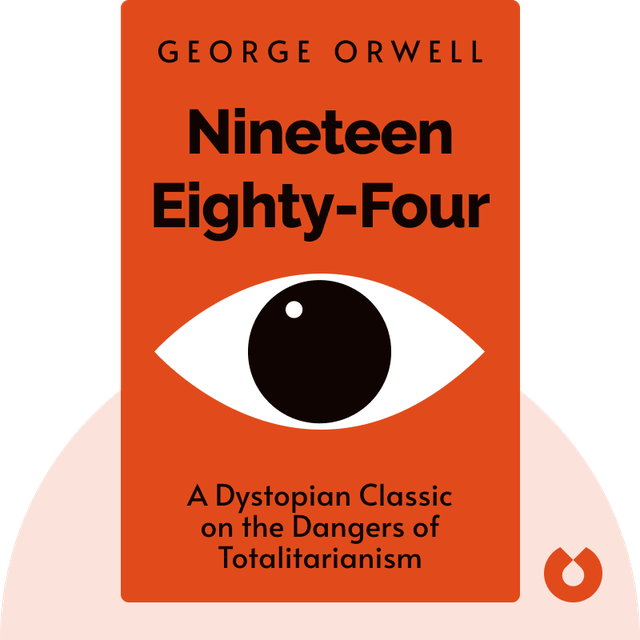
Nineteen Eighty-Four (1984)
George Orwell
A Dystopian Classic on the Dangers of Totalitarianism
4.9 (697) mins
1984
George Orwell
A Dystopian Classic on the Dangers of Totalitarianism
4.7 (1738)16 mins

The Chemistry Book
Derek B Lowe
From Gunpowder to Graphene, 250 Milestones in the History of Chemistry
4.7 (50) mins

Why Taiwan Matters
Kerry Brown
A Short History of a Small Island That Will Dictate Our Future
4.7 (13)27 mins
The Code Breaker
Walter Isaacson
Jennifer Doudna, Gene Editing, and the Future of the Human Race
4.6 (1893)43 mins
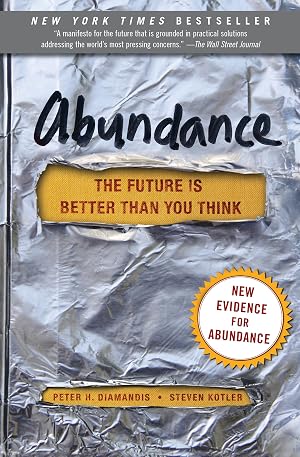
Abundance#
Peter H. Diamandis and Steven Kotler
The Future Is Better Than You Think
4.6 (10) mins

Foundation
Isaac Asimov
Dive into a Future Galactic Empire in This Science-Fiction Classic
4.6 (19) mins
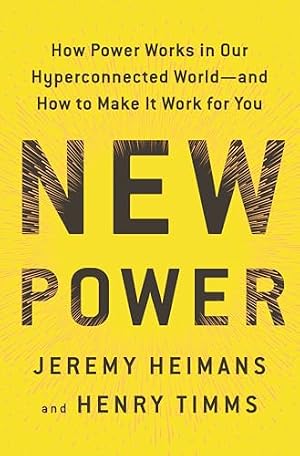
New Power
Jeremy Heimans and Henry Timms
How Power Works In Our Hyperconnected World – and How To Make It Work For You
4.6 (7) mins

Cobalt Red
Siddharth Kara
How the Blood of the Congo Powers Our Lives
4.6 (4) mins
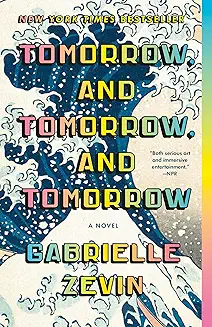
Tomorrow, and Tomorrow, and Tomorrow
Gabrielle Zevin
A Novel
4.5 (4281)24 mins