
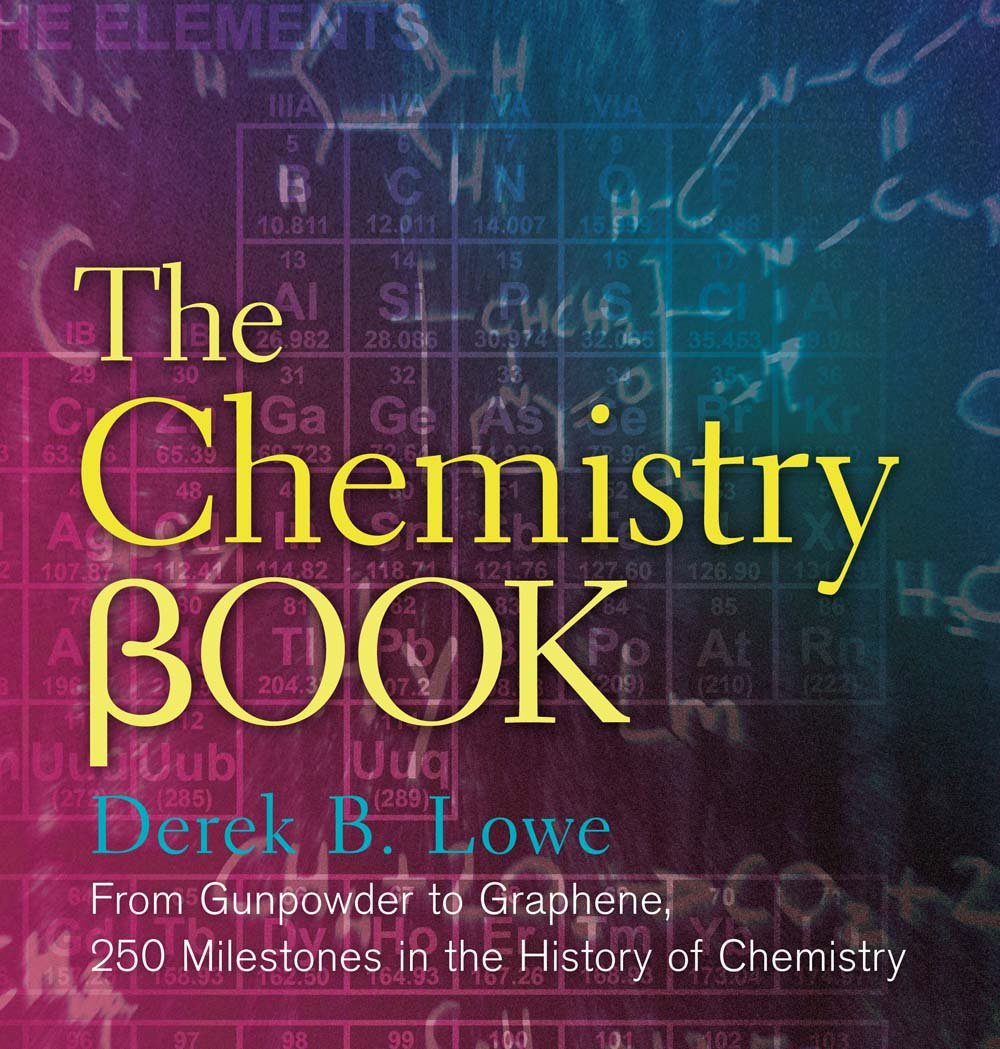
The Chemistry Book Summary
By Derek B Lowe
From Gunpowder to Graphene, 250 Milestones in the History of Chemistry
Summary preview
Chemistry is one of those subjects that can look neat and tidy from far away. You might picture a periodic table on a classroom wall, rows of clean glassware, and equations that balance if you push the symbols around in the right way. But once you get close, once you really start handling the stuff of the world, chemistry becomes something much stranger, funnier, and more human. That is the spirit of The Chemistry Book. Derek B Lowe does not treat chemistry as a museum piece or as a list of facts to memorize. He treats it as a living craft, full of surprises, bad smells, lucky breaks, failed ideas, deep beauty, and moments of genuine awe. The book sets out to explain what chemistry really is by showing how chemists think and work. That means beginning with matter itself and then moving outward into atoms, molecules, bonds, reactions, energy, structure, and all the weird behavior that comes from putting these things together. But the point is not simply to walk through a textbook. The point is to give you a feel for the field from the inside. Why does carbon matter so much. Why are some molecules stable while others seem eager to come apart. How can tiny changes in shape make the difference between a useful drug and a dangerous one. Why are smells, colors, explosions, crystals, solvents, acids, and metals all part of one connected story. Along the way, the book keeps one foot in history and one foot on the lab floor. You get the long arc from alchemy and early theories of matter to modern quantum mechanics and molecular design, but you also get the very practical side of chemistry. Real chemicals misbehave. Real reactions fail. Real compounds can be toxic, reactive, unstable, hard to purify, impossible to scale, or unexpectedly beautiful. That blend of grand ideas and bench level reality is what gives the book so much life. A big part of its charm is that it refuses to flatter easy misconceptions. Chemistry is not magic, although at times it can feel close. It is not just applied physics, either, because the sheer number of interacting pieces creates a world of its own. It is not only about danger and pollution, though danger is real and deserves respect. It is also about making new things that have never existed before, understanding why old things behave as they do, and learning to work with matter at a level where intuition must be earned. What emerges is a portrait of chemistry as the central science in the best sense. It sits between worlds. It connects physics to biology, minerals to medicines, stars to cells, industry to everyday life. And it is deeply shaped by the people who practice it, with all their ambition, curiosity, stubbornness, and delight. By the time you are through, chemistry no longer looks like a dry collection of rules. It looks like an endless landscape of possibility.
Sign up to continue reading
Get access to full book summaries, audio of the summaries, and many more.
Similar Books
Books with a similar vibe—explore more like this.
Nineteen Eighty-Four (1984)
George Orwell
A Dystopian Classic on the Dangers of Totalitarianism
4.9 (697)17 mins
1984
George Orwell
A Dystopian Classic on the Dangers of Totalitarianism
4.7 (1738)16 mins

Why Taiwan Matters
Kerry Brown
A Short History of a Small Island That Will Dictate Our Future
4.7 (13)27 mins
The Code Breaker
Walter Isaacson
Jennifer Doudna, Gene Editing, and the Future of the Human Race
4.6 (1893)43 mins
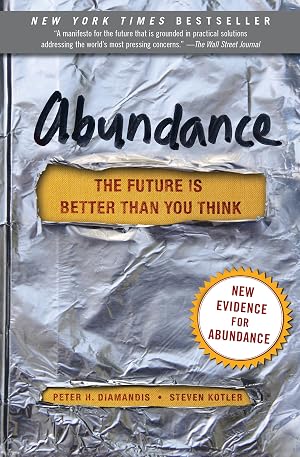
Abundance#
Peter H. Diamandis and Steven Kotler
The Future Is Better Than You Think
4.6 (10)38 mins
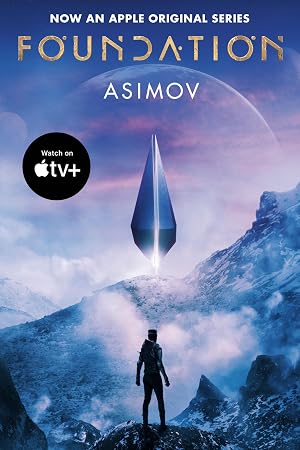
Foundation
Isaac Asimov
Dive into a Future Galactic Empire in This Science-Fiction Classic
4.6 (19)21 mins
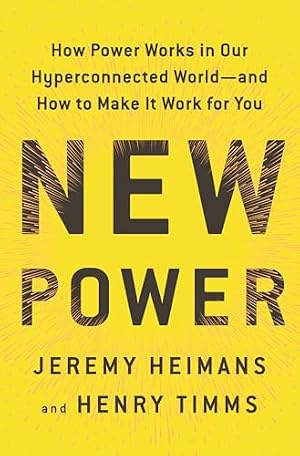
New Power
Jeremy Heimans and Henry Timms
How Power Works In Our Hyperconnected World – and How To Make It Work For You
4.6 (7)29 mins

Cobalt Red
Siddharth Kara
How the Blood of the Congo Powers Our Lives
4.6 (4)22 mins
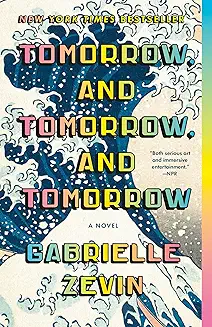
Tomorrow, and Tomorrow, and Tomorrow
Gabrielle Zevin
A Novel
4.5 (4281)24 mins
21 Lessons for the 21st Century
Yuval Noah Harari
Future proof yourself against the 21st Century
4.5 (502)24 mins