
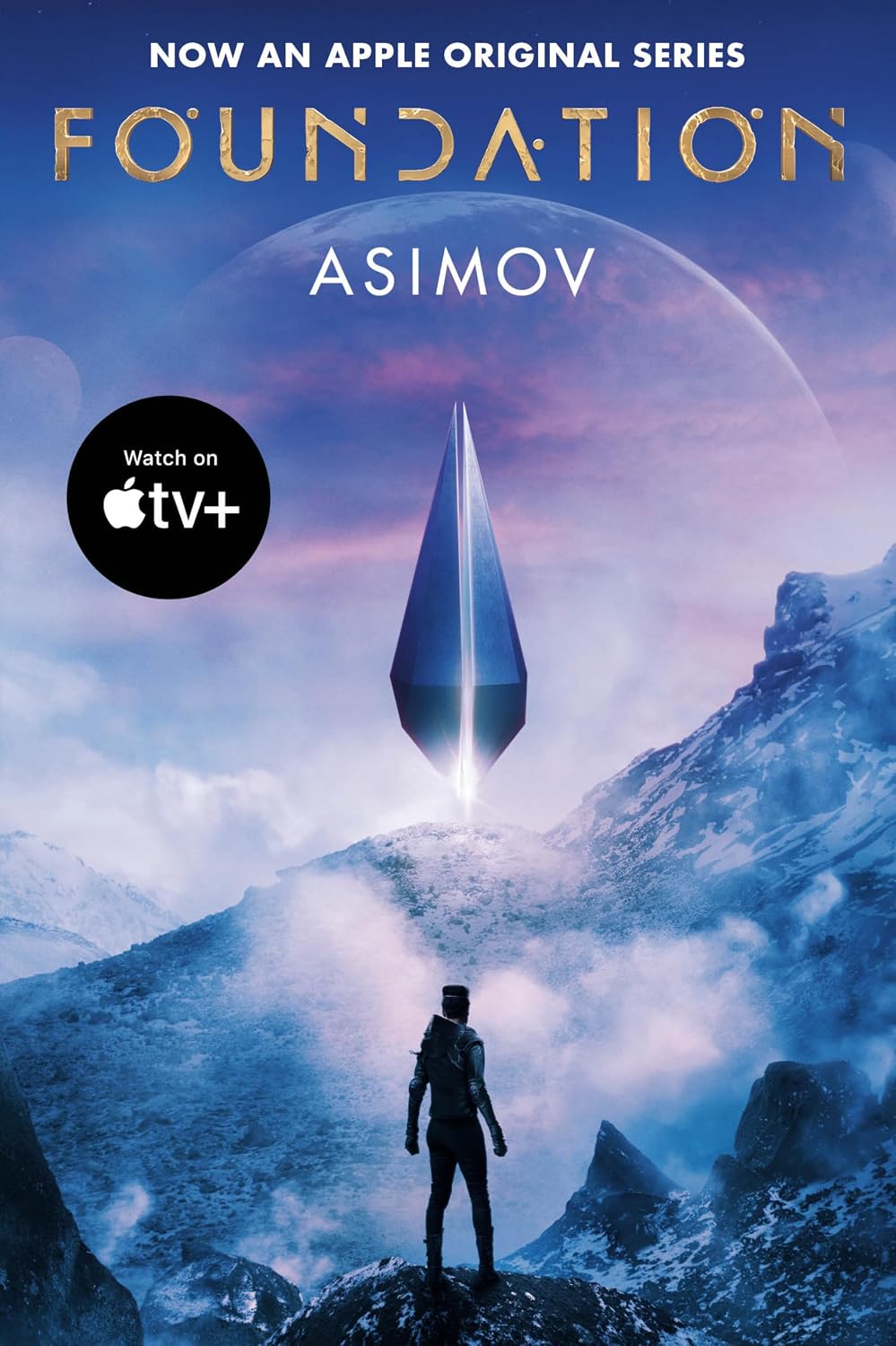
Foundation Summary
By Isaac Asimov
Dive into a Future Galactic Empire in This Science-Fiction Classic
Summary preview
Imagine a galaxy so vast that it has forgotten how large it is. Millions of worlds turn in their courses, trade flows across impossible distances, and at the glittering center sits the Galactic Empire, old, proud, and certain of its own permanence. That certainty is the first illusion this story takes from you. Foundation opens not with conquest or battle, but with a quiet, devastating idea. Civilizations can die. Not only small kingdoms or cities, but a whole galactic order. And if one can die, perhaps someone can foresee the fall. That someone is Hari Seldon, a mathematician who has built a strange and powerful science called psychohistory. It does not predict what one person will do tomorrow. It does not care whether a single ruler is brave or foolish. What it can do, when the population is huge enough, is trace the broad currents of human behavior the way an astronomer traces the path of a planet. Seldon looks at the Empire and sees ruin ahead. Not a brief collapse, but thirty thousand years of barbarism. His great work is not to prevent the fall, because that cannot be done. His aim is more modest and more audacious at once. He wants to shorten the darkness to a single thousand years. From that grand premise, Isaac Asimov builds a story unlike most tales of the future. There are no roaming heroes with magic weapons, no chosen one destined to save the stars. Instead, the drama comes from ideas, institutions, and the steady pressure of history. Power shifts from emperors to mayors, from soldiers to merchants, from open force to quiet influence. Again and again, people believe they are making free choices, only to discover they are moving inside a pattern laid down generations earlier. The excitement comes from watching how those patterns tighten and how clever men and women survive the crises they create. At the center of the story is the Foundation itself, a small colony planted on the remote planet Terminus under the harmless label of an Encyclopedia project. Officially, its purpose is to gather all human knowledge before the storm breaks. Unofficially, it is something far larger. It is a seed. Around it, the old Empire weakens, the provinces drift loose, and new powers grope toward the future. What makes this book endure is the cool confidence of its vision paired with a very human irony. People scheme, boast, bluff, and betray one another, yet the deepest contest is between human intention and historical necessity. The novel asks whether knowledge can tame chaos, whether reason can outlast decay, and whether a civilization can be rebuilt not by force of arms alone, but by planning, patience, and an understanding of how people truly live together. It is a story of decline, yes, but also of design. Beneath the crumbling grandeur of empire, a new order is already learning how to speak.
Sign up to continue reading
Get access to full book summaries, audio of the summaries, and many more.
Similar Books
Books with a similar vibe—explore more like this.
Nineteen Eighty-Four (1984)
George Orwell
A Dystopian Classic on the Dangers of Totalitarianism
4.9 (697)17 mins
1984
George Orwell
A Dystopian Classic on the Dangers of Totalitarianism
4.7 (1738)16 mins
The Chemistry Book
Derek B Lowe
From Gunpowder to Graphene, 250 Milestones in the History of Chemistry
4.7 (50)38 mins
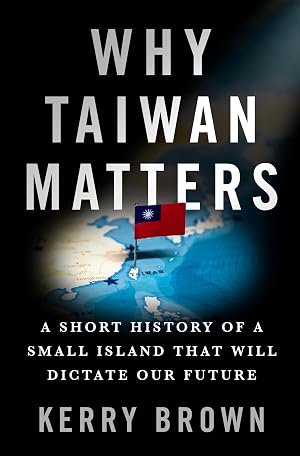
Why Taiwan Matters
Kerry Brown
A Short History of a Small Island That Will Dictate Our Future
4.7 (13)27 mins
The Code Breaker
Walter Isaacson
Jennifer Doudna, Gene Editing, and the Future of the Human Race
4.6 (1893)43 mins
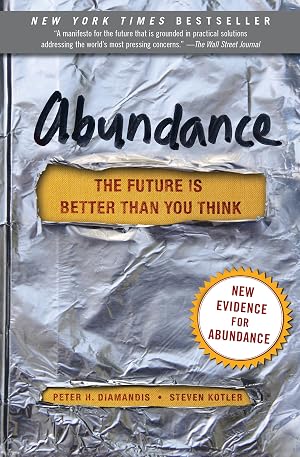
Abundance#
Peter H. Diamandis and Steven Kotler
The Future Is Better Than You Think
4.6 (10)38 mins
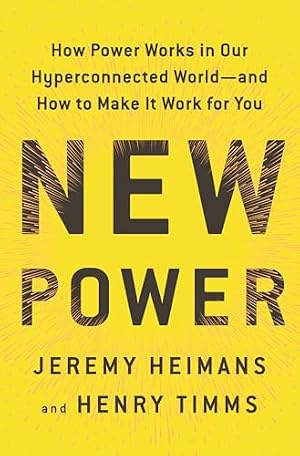
New Power
Jeremy Heimans and Henry Timms
How Power Works In Our Hyperconnected World – and How To Make It Work For You
4.6 (7)29 mins

Cobalt Red
Siddharth Kara
How the Blood of the Congo Powers Our Lives
4.6 (4)22 mins
Tomorrow, and Tomorrow, and Tomorrow
Gabrielle Zevin
A Novel
4.5 (4281)24 mins
21 Lessons for the 21st Century
Yuval Noah Harari
Future proof yourself against the 21st Century
4.5 (502)24 mins