
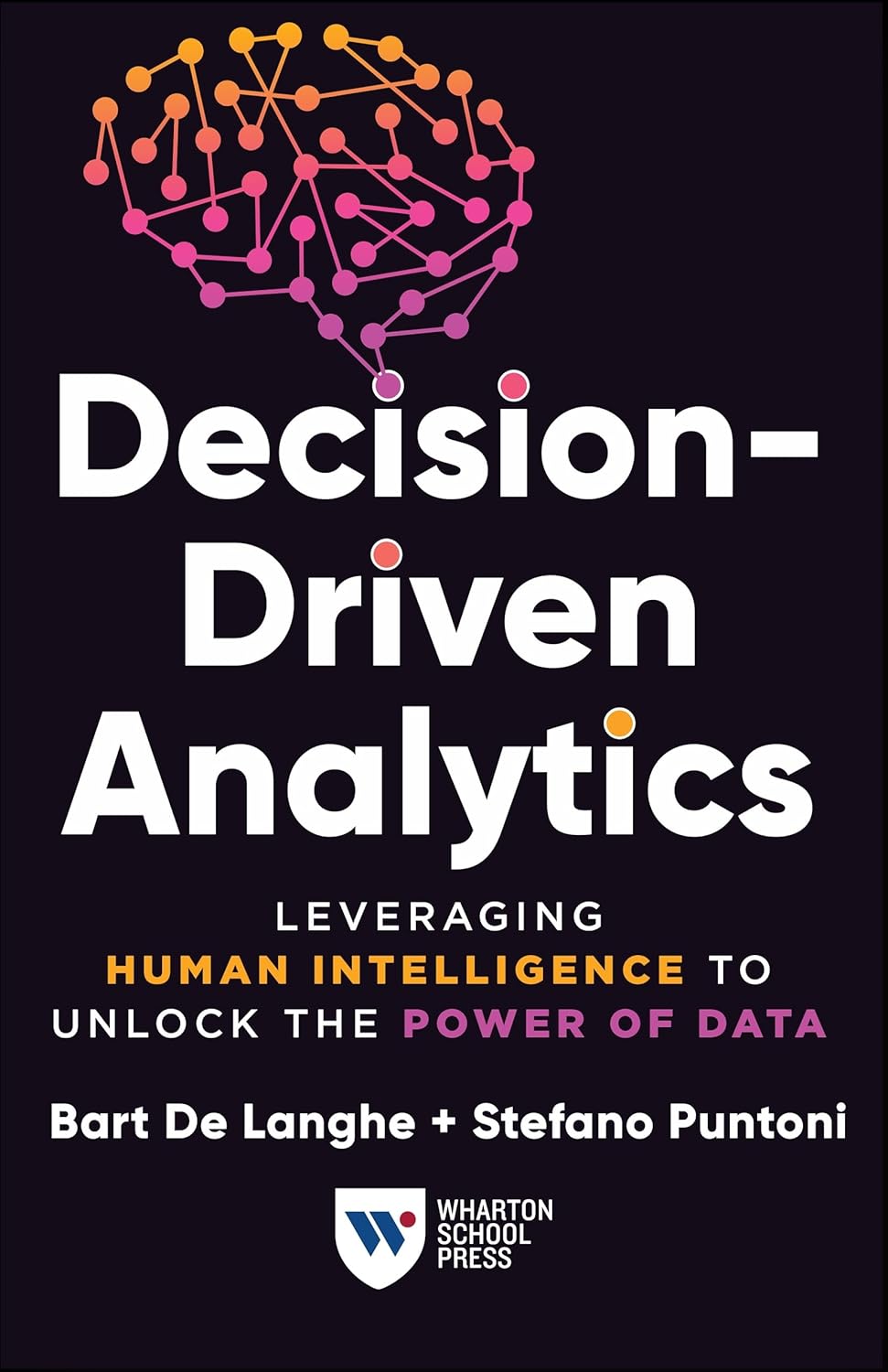
Decision-Driven Analytics Summary
By Bart de Langhe & Stefano Puntoni
Leveraging Human Intelligence to Unlock the Power of Data
Summary preview
We live in a world that worships data. Companies collect it, dashboards display it, teams debate it, and leaders often treat it as the final word. Yet the real problem is not that people lack data. The real problem is that people often do not know how to use data to make better decisions. That is the heart of Decision Driven Analytics. The book asks a deceptively simple question. If analytics is supposed to improve decisions, why do so many data rich organizations still make poor choices? The answer begins with a shift in perspective. Instead of starting with data, models, or measurement, you start with the decision itself. What choice are you trying to improve? Who will make it? What would a better version of that decision look like? And what kind of information would actually help? This sounds obvious, but it is surprisingly rare. Many organizations build analytics around what is easy to measure rather than what is important to decide. They produce reports that are impressive, precise, and often irrelevant. Bart de Langhe & Stefano Puntoni argue that analytics becomes powerful only when it is tightly connected to human judgment. That means understanding both the strengths and the limits of people. Humans are not blank slates waiting to be corrected by numbers. We have instincts, habits, blind spots, and stories we tell ourselves. Data does not enter an empty mind. It enters a mind already full of beliefs. So if you want analytics to matter, you cannot just ask whether the data is accurate. You also have to ask whether people will interpret it well, trust it for the right reasons, and use it at the right moment. The book explores this territory with a practical and often eye opening style. It looks at forecasting, performance measurement, experimentation, algorithms, and managerial judgment, but it keeps returning to one central idea. Good analytics is not about producing more numbers. It is about designing better decisions. Sometimes that means simplifying information instead of adding complexity. Sometimes it means accepting that a rough but useful measure is better than a perfect but unusable one. Sometimes it means changing the environment in which a decision is made rather than trying to change the person making it. What makes the book especially useful is that it does not fall into easy slogans. It does not tell you to trust your gut, and it does not tell you to surrender to the machine. It shows why both intuition and analysis can help or mislead. It also shows that the most effective organizations learn to combine them carefully. The result is a more realistic, more human view of analytics. One that respects evidence, but never forgets that evidence only matters when it changes action.
Sign up to continue reading
Get access to full book summaries, audio of the summaries, and many more.
Similar Books
Books with a similar vibe—explore more like this.
Flash Teams
Melissa Valentine & Michael Bernstein
Leading the Future of AI-Enhanced, On-Demand Work
4.3 (15)23 mins
Wiring the Winning Organization
Gene Kim & Steven J. Spear
Unleashing Our Collective Greatness Through Simplification, Slowification, and Amplification
4.0 (9)17 mins
Next Play
Alan Stein Jr.
Improve Team Performance, Productivity, and Fulfillment
4.9 (34)26 mins
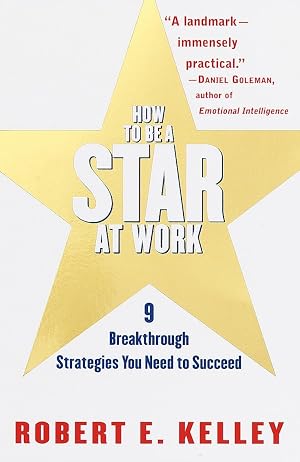
How to Be a Star at Work
Robert E. Kelley
9 Breakthrough Strategies You Need to Succeed
4.6 (34)28 mins
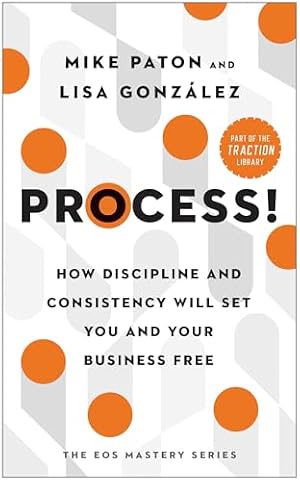
Process!
Mike Paton, Lisa González
How Discipline and Consistency Will Set You and Your Business Free
4.6 (5)23 mins
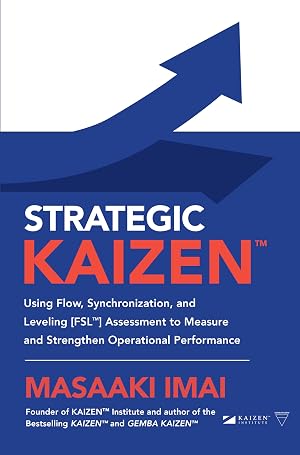
Strategic Kaizen™
Masaaki Imai
Using Flow, Synchronization, and Leveling Assessment to Measure and Strengthen Operational Performance
4.6 (22)26 mins
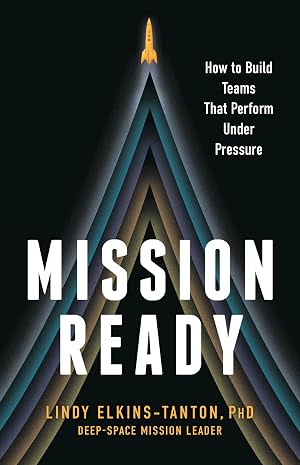
Mission Ready
Lindy Elkins-Tanton
How to Build Teams That Perform Under Pressure
4.5 (6)22 mins
Tech Leadership
Andrew Swerdlow
How to Evolve from Individual Contributor to Tech Leader
4.5 (11)22 mins
The Leadership Pipeline
Ram Charan, Stephen Drotter, James L. Noel, Kent Jonasen
Developing Leaders in the Digital Age
4.5 (3)24 mins
The Adaptation Advantage
Heather E. McGowan and Chris Shipley
Let Go, Learn Fast, and Thrive in the Future of Work
4.5 (70)20 mins