
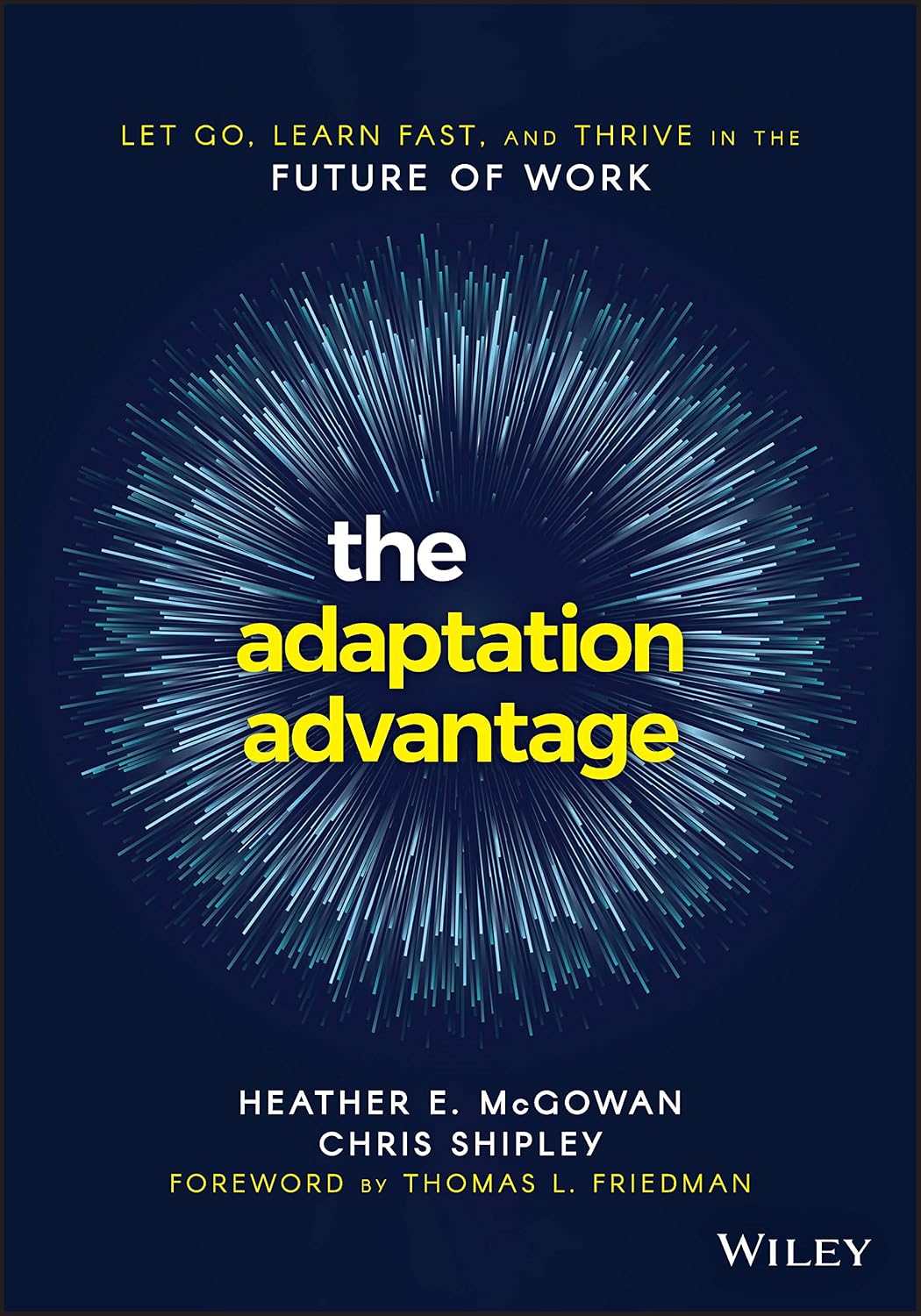
The Adaptation Advantage Summary
By Heather E. McGowan and Chris Shipley
Let Go, Learn Fast, and Thrive in the Future of Work
Summary preview
The world of work has changed so fast that many of the old maps no longer help us. That is the heart of The Adaptation Advantage. Heather E. McGowan and Chris Shipley invite you to stop asking how to protect a stable career path and start asking how to grow into a person who can keep changing. Their message is simple, urgent, and deeply human. The future does not belong to the people with the most fixed expertise. It belongs to the people who can learn, unlearn, and learn again. The book begins with a hard truth. For a long time, many of us were taught a reliable formula. First, get an education. Then, build a career. After that, apply what you know for decades. That model worked well enough in an industrial age that rewarded repetition, standardization, and predictability. But that age is fading. Automation, artificial intelligence, globalization, demographic shifts, and social upheaval have rewritten the terms. Skills now age quickly. Entire job categories appear and disappear in a short span. The challenge is no longer just finding work. It is becoming the kind of person who can keep creating value as the world keeps moving. What makes this book stand out is that it does not treat adaptation as a cold business tactic. It treats it as a life practice. Work is changing, yes, but so are identity, community, leadership, and education. The authors show that adaptation is not only about staying employable. It is about staying awake, useful, connected, and alive to possibility. The future of work is also the future of being human in a time when machines can do more and more of what once made us feel special. Again and again, the book returns to a powerful shift. We must move from a knowledge economy to a learning economy. Knowledge still matters, of course, but stored knowledge alone is no longer enough. What matters more is curiosity, resilience, collaboration, and the ability to make meaning from change. The real advantage comes from how you respond when your assumptions break. The pages that follow build that case from several angles. You see why the old employment bargain has weakened. You see how technology is transforming what organizations need from people. You see why purpose, belonging, and identity matter so much during disruption. And you see practical ways individuals, leaders, and institutions can cultivate adaptive capacity. The book does not promise certainty. It offers something better. It offers a way to move with uncertainty without losing yourself. That is the adaptation advantage.
Sign up to continue reading
Get access to full book summaries, audio of the summaries, and many more.
Similar Books
Books with a similar vibe—explore more like this.
Tech Leadership
Andrew Swerdlow
How to Evolve from Individual Contributor to Tech Leader
4.5 (11)22 mins
The Leadership Pipeline
Ram Charan, Stephen Drotter, James L. Noel, Kent Jonasen
Developing Leaders in the Digital Age
4.5 (3)24 mins
The Formula
Joshua Robinson, Jonathan Clegg
How Geniuses and Speed Freaks Made F1 the Fastest-Growing Sport
4.4 (19)27 mins
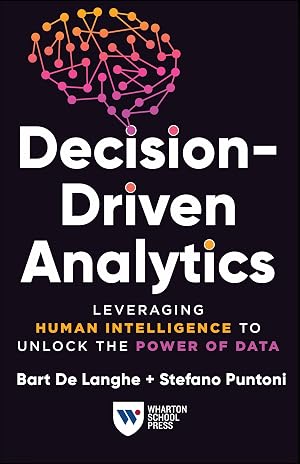
Decision-Driven Analytics
Bart de Langhe & Stefano Puntoni
Leveraging Human Intelligence to Unlock the Power of Data
4.3 (17)25 mins
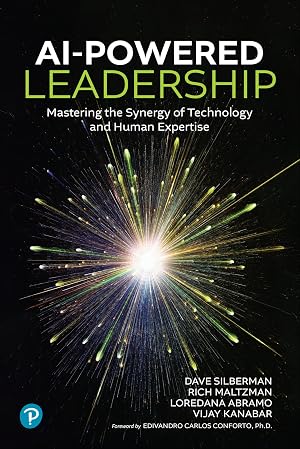
AI-Powered Leadership
Dave Silberman, Rich Maltzman, Loredana Abramo, Vijay Kanabar
Mastering the Synergy of Technology and Human Expertise
4.3 (12)22 mins
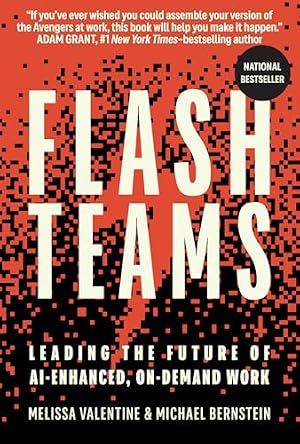
Flash Teams
Melissa Valentine & Michael Bernstein
Leading the Future of AI-Enhanced, On-Demand Work
4.3 (15)23 mins
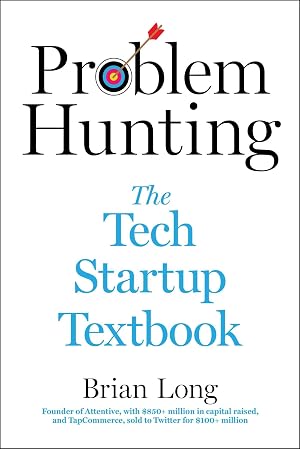
Problem Hunting
Brian Long
The Tech Startup Textbook
4.2 (18)22 mins
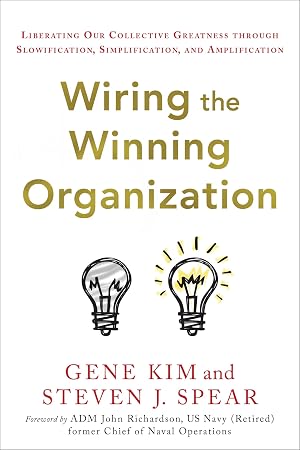
Wiring the Winning Organization
Gene Kim & Steven J. Spear
Unleashing Our Collective Greatness Through Simplification, Slowification, and Amplification
4.0 (9)17 mins
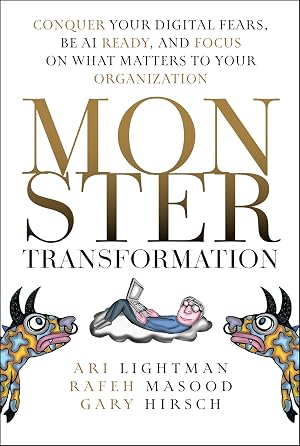
Monster Transformation
Ari Lightman, Rafeh Masood, Gary Hirsch
Conquer Your Digital Fears
3.9 (6)21 mins
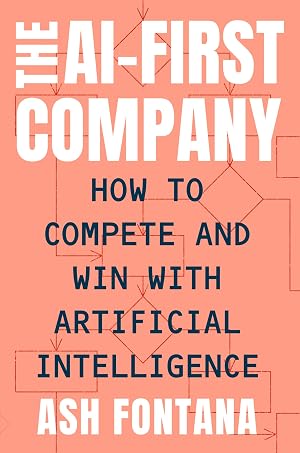
The AI-First Company
Ash Fontana
How to Compete and Win with Artificial Intelligence
3.8 (7)24 mins