
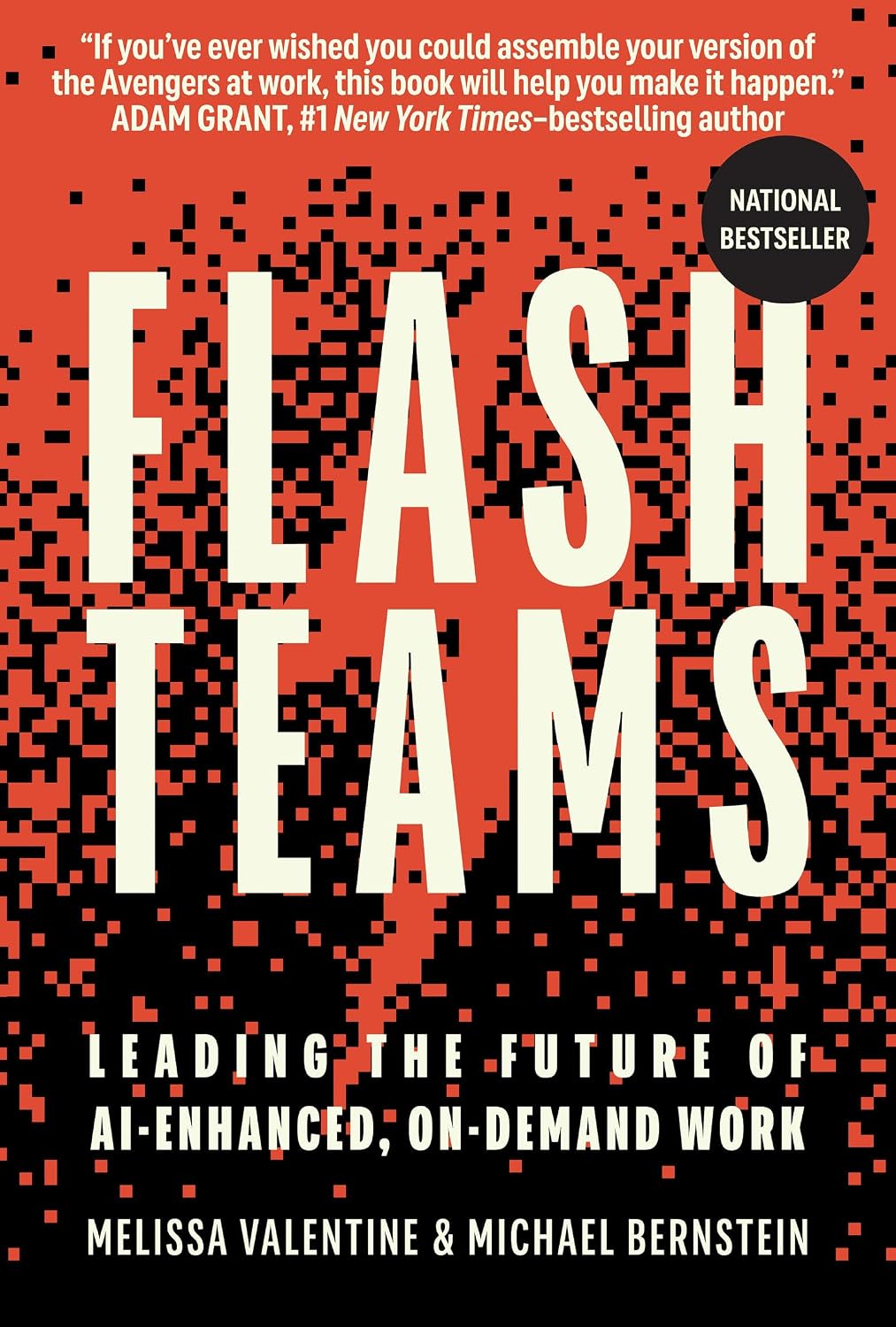
Flash Teams Summary
By Melissa Valentine & Michael Bernstein
Leading the Future of AI-Enhanced, On-Demand Work
Summary preview
Work used to come with a familiar picture. You joined an organization, stepped into a team with fixed members, and stayed long enough to learn the routines, politics, and unspoken rules. Then the world sped up. Problems became more complex, opportunities appeared and vanished quickly, and organizations found themselves needing talent that no single department could hold all the time. That is the world this book wants you to see clearly. It argues that the future of organizing work does not belong only to stable teams or lone freelancers. It belongs to something more fluid, more responsive, and often more powerful. It belongs to flash teams. Melissa Valentine & Michael Bernstein introduce a simple but radical idea. Instead of hiring one person to do one role or assembling a permanent group that handles everything, you can build a team on demand from a network of specialists. That team comes together quickly, works through a structured process, hands work from one expert to another, coordinates through clear systems, and then dissolves when the job is done. The next challenge may need a different mix of people, so a new team forms. The emphasis is not on keeping a group intact forever. The emphasis is on making it easy for people with the right skills to join at the right moment and do excellent work together even if they have never met before. This is not just a theory about the gig economy or a cheerful prediction about remote work. The book is grounded in years of research into online labor, collaborative systems, and the ways technology can help strangers coordinate around meaningful tasks. What makes the argument compelling is that it does not stop with the dream of flexibility. It wrestles with the real questions. How can people trust one another quickly. How do you divide work without destroying quality. What kind of leadership matters when the team changes from task to task. How do you create accountability, learning, and fairness in a system built on temporary collaboration. The book also pushes back against a common assumption that speed and quality are enemies. Done badly, fast assembled teams create confusion and waste. Done well, they can unlock expert knowledge, widen access to opportunity, and let organizations tackle problems that are too dynamic for rigid structures. You begin to see the deeper point. A flash team is not merely a temporary workforce. It is a new operating model for creativity, execution, and adaptation. As you move through the book, you are invited to rethink what a team really is. Maybe a team is not defined by how long people stay together. Maybe it is defined by how well a system helps the right people coordinate, contribute, and create value. That question opens up everything that follows.
Sign up to continue reading
Get access to full book summaries, audio of the summaries, and many more.
Similar Books
Books with a similar vibe—explore more like this.

Decision-Driven Analytics
Bart de Langhe & Stefano Puntoni
Leveraging Human Intelligence to Unlock the Power of Data
4.3 (17)25 mins
Wiring the Winning Organization
Gene Kim & Steven J. Spear
Unleashing Our Collective Greatness Through Simplification, Slowification, and Amplification
4.0 (9)17 mins

Next Play
Alan Stein Jr.
Improve Team Performance, Productivity, and Fulfillment
4.9 (34)26 mins
How to Be a Star at Work
Robert E. Kelley
9 Breakthrough Strategies You Need to Succeed
4.6 (34)28 mins
Process!
Mike Paton, Lisa González
How Discipline and Consistency Will Set You and Your Business Free
4.6 (5)23 mins

Strategic Kaizen™
Masaaki Imai
Using Flow, Synchronization, and Leveling Assessment to Measure and Strengthen Operational Performance
4.6 (22)26 mins
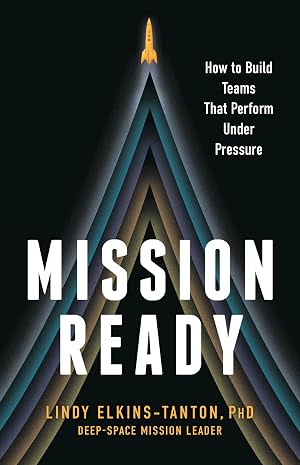
Mission Ready
Lindy Elkins-Tanton
How to Build Teams That Perform Under Pressure
4.5 (6)22 mins
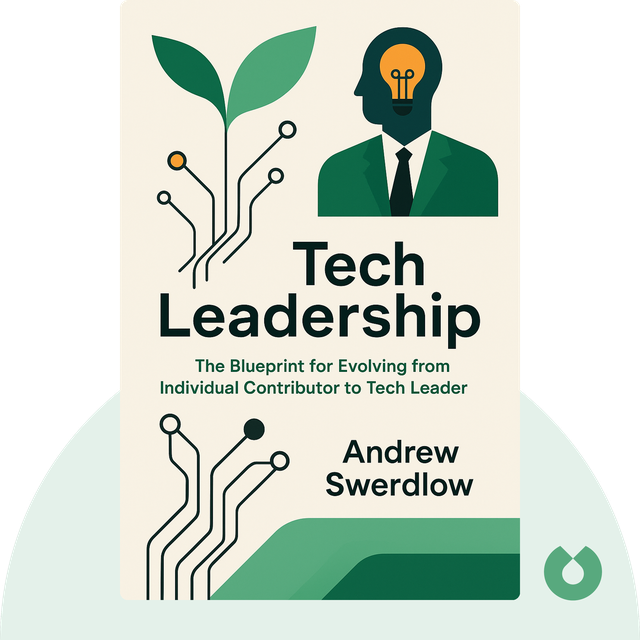
Tech Leadership
Andrew Swerdlow
How to Evolve from Individual Contributor to Tech Leader
4.5 (11)22 mins
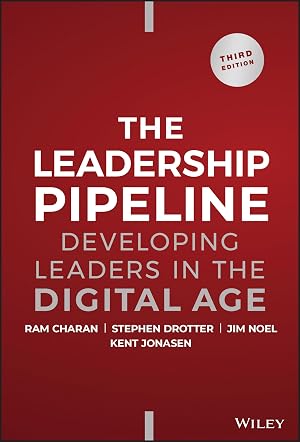
The Leadership Pipeline
Ram Charan, Stephen Drotter, James L. Noel, Kent Jonasen
Developing Leaders in the Digital Age
4.5 (3)24 mins
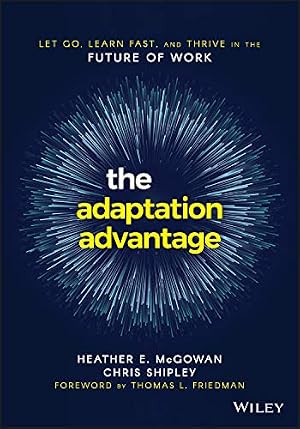
The Adaptation Advantage
Heather E. McGowan and Chris Shipley
Let Go, Learn Fast, and Thrive in the Future of Work
4.5 (70)20 mins