
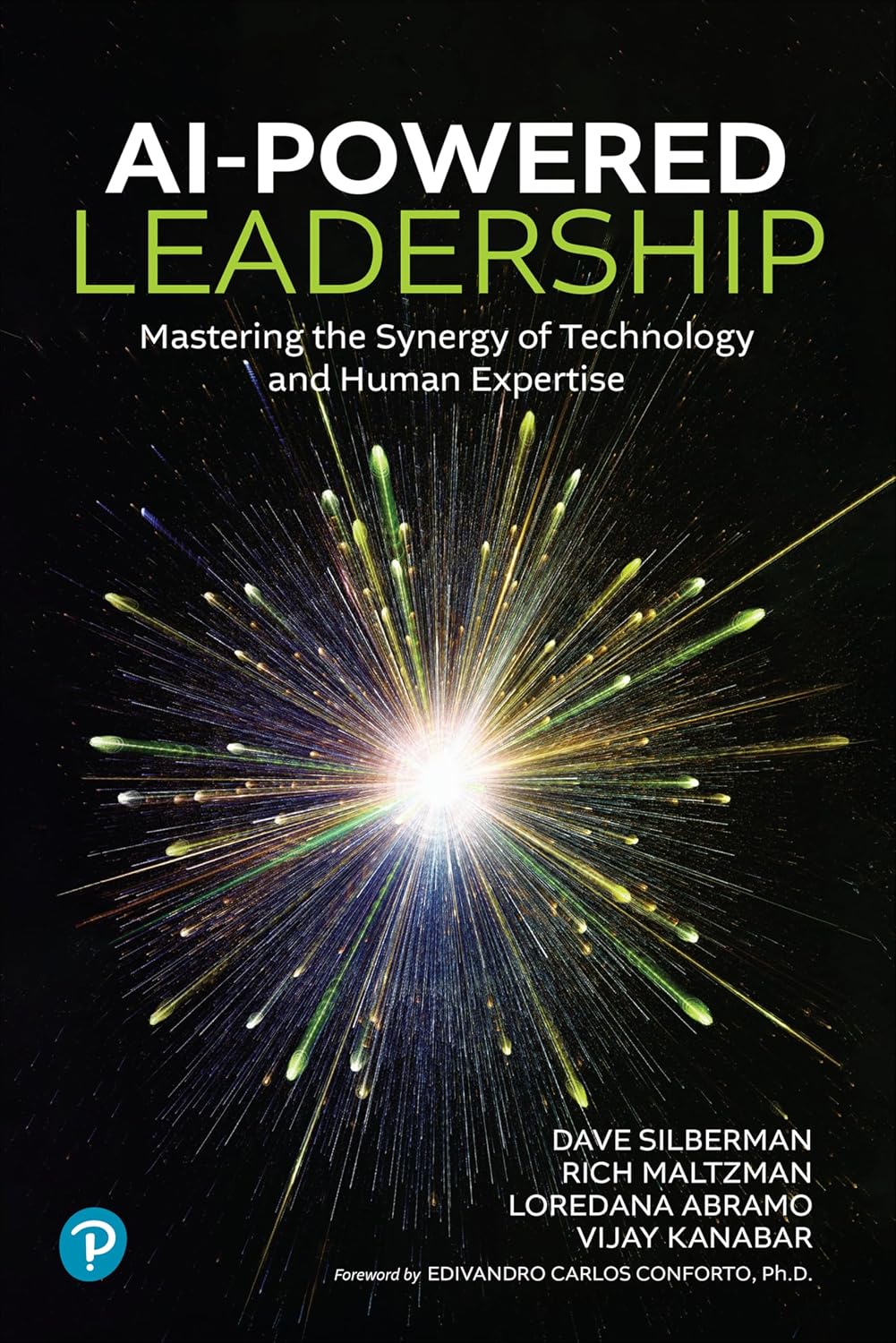
AI-Powered Leadership Summary
By Dave Silberman, Rich Maltzman, Loredana Abramo, Vijay Kanabar
Mastering the Synergy of Technology and Human Expertise
Summary preview
Leadership is changing fast, and not because people suddenly stopped needing trust, judgment, or courage. If anything, those human qualities matter more than ever. What has changed is the environment around leaders. Artificial intelligence is no longer some distant tool reserved for data scientists or giant tech firms. It is moving into everyday work, everyday decisions, and everyday relationships inside organizations. That is the heart of AI Powered Leadership by Dave Silberman, Rich Maltzman, Loredana Abramo, Vijay Kanabar. The book is really about a practical question. How do you lead well when intelligent systems are becoming part of the team, part of the workflow, and sometimes part of the decision itself? The answer offered here is refreshingly grounded. This is not a book that worships technology, and it is not a book that fears it. Instead, it asks leaders to become both more curious and more responsible. AI can help us move faster, see patterns more clearly, automate routine work, and support better choices. But it can also confuse, exclude, mislead, and amplify bias if it is used blindly. So leadership in the age of AI is not about handing the wheel to algorithms. It is about learning when to trust machines, when to question them, and how to keep people at the center of the whole enterprise. A big strength of the book is its balance. It speaks to leaders who may not have deep technical knowledge, and it does so without talking down to them. It makes room for strategy, ethics, communication, project work, governance, and culture. It treats AI not as one thing but as a set of capabilities that touch nearly every part of organizational life. That means the leader’s job expands. You are not just approving software or funding innovation. You are shaping how your people understand change, how decisions get made, what values are protected, and what kind of future your organization is building. What unfolds across the book is a roadmap for that new role. You are invited to build literacy without becoming a programmer, confidence without becoming reckless, and accountability without becoming paralyzed. The message is clear and steady. AI will not replace leadership. It will test it. It will expose weak cultures, poor communication, shallow ethics, and sloppy decision making. But it can also strengthen organizations that are willing to learn. If you approach it with humility, structure, and care, AI becomes less a threat than a mirror and a multiplier. It shows you what kind of leader you already are, and it gives you a chance to become a better one.
Sign up to continue reading
Get access to full book summaries, audio of the summaries, and many more.
Similar Books
Books with a similar vibe—explore more like this.
Tech Leadership
Andrew Swerdlow
How to Evolve from Individual Contributor to Tech Leader
4.5 (11)22 mins
The Leadership Pipeline
Ram Charan, Stephen Drotter, James L. Noel, Kent Jonasen
Developing Leaders in the Digital Age
4.5 (3)24 mins
The Adaptation Advantage
Heather E. McGowan and Chris Shipley
Let Go, Learn Fast, and Thrive in the Future of Work
4.5 (70)20 mins

The Formula
Joshua Robinson, Jonathan Clegg
How Geniuses and Speed Freaks Made F1 the Fastest-Growing Sport
4.4 (19)27 mins
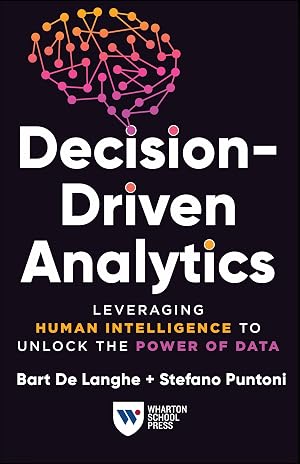
Decision-Driven Analytics
Bart de Langhe & Stefano Puntoni
Leveraging Human Intelligence to Unlock the Power of Data
4.3 (17)25 mins
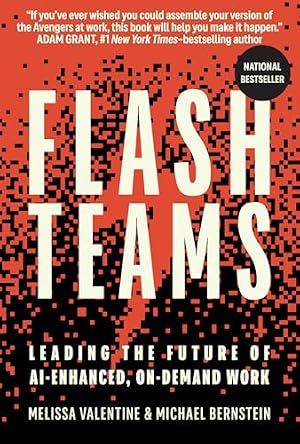
Flash Teams
Melissa Valentine & Michael Bernstein
Leading the Future of AI-Enhanced, On-Demand Work
4.3 (15)23 mins
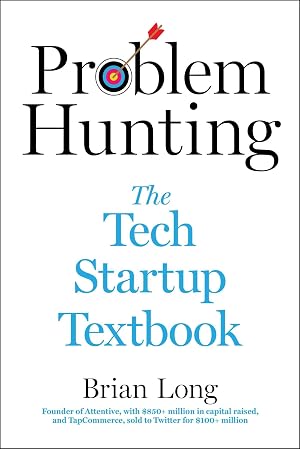
Problem Hunting
Brian Long
The Tech Startup Textbook
4.2 (18)22 mins
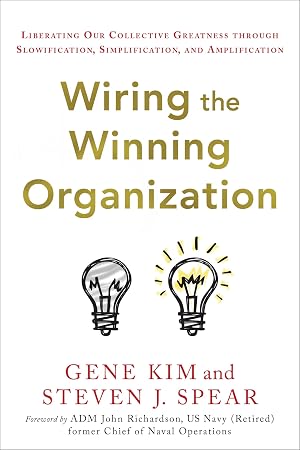
Wiring the Winning Organization
Gene Kim & Steven J. Spear
Unleashing Our Collective Greatness Through Simplification, Slowification, and Amplification
4.0 (9)17 mins
Monster Transformation
Ari Lightman, Rafeh Masood, Gary Hirsch
Conquer Your Digital Fears
3.9 (6)21 mins
The AI-First Company
Ash Fontana
How to Compete and Win with Artificial Intelligence
3.8 (7)24 mins