

The Bhagavad Gita
By Vyasa
Explore the Timeless Wisdom of This Hindu Scripture
Introduction
The Bhagavad Gita opens in a moment of thunder before battle, yet its true field is the human heart. Set within the vast story of the Mahabharata and given to us through Vyasa, it begins when the warrior Arjuna stands between two armies and sees not faceless enemies but teachers, cousins, friends, and elders. His bow slips from his hand. His body trembles. His mind turns in circles. What is victory if it asks him to kill those he loves. What is duty if it breaks the heart. In that pause, when action seems impossible and every path looks stained with sorrow, Krishna speaks. What follows is not just advice for one prince on one battlefield. It is a conversation about the deepest problems of being alive. How should you act when life gives you no clean choices. What is the self beneath fear, grief, and changing roles. Why do people suffer. What does it mean to live well, to work without being trapped by work, to love without clinging, to know without pride, and to surrender without losing strength. The Gita speaks to all of this with a voice that is both intimate and immense. It meets confusion with clarity, weakness with courage, and despair with a wider vision. The book moves in layers. First it lifts Arjuna out of paralysis by teaching him about the soul, which is unborn and undying. Then it shows him how to act in the world through karma yoga, the discipline of selfless action. It deepens into wisdom about knowledge, meditation, devotion, and the nature of God. Again and again, Krishna returns to one central invitation. Do your duty, but do not chain your peace to the result. Offer all action to the Highest. See beyond the small ego that says I am the doer. Learn to stand steady amid pleasure and pain, gain and loss, success and failure. Yet this is not a cold call to detachment. The Gita is full of feeling. It knows the ache of moral conflict. It honors discipline, but it also celebrates love. Its vision of spiritual life is generous and many sided. Some come through action, some through meditation, some through insight, some through wholehearted devotion. Krishna gathers these paths and shows that they can meet in the same truth. By the end, the battlefield remains, but Arjuna is transformed. He does not escape life. He sees it more clearly. The Gita invites you to do the same. It asks you to look straight at fear, duty, desire, and death, and then to discover within yourself a deeper center that cannot be shaken. From that center, action becomes cleaner, love becomes wider, and life becomes an offering.
Sign up to continue reading
Get access to full book summaries, audio of the summaries, and many more.
Similar Books
Books with a similar vibe—explore more like this.
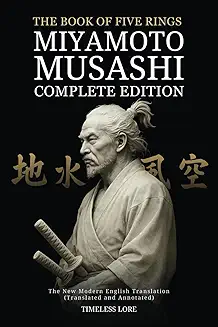
The Book of Five Rings
Miyamoto Musashi
A Classic Text on the Japanese Way of the Sword
4.7 (293)23 mins

The Divine Comedy
Dante Alighieri
The Inferno, The Purgatorio, and The Paradiso
4.6 (457)27 mins

The Book
Alan W. Watts
On the Taboo Against Knowing Who You Are
4.5 (540)26 mins
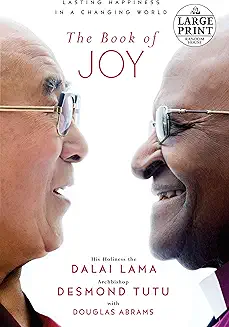
The Book of Joy
Dalai Lama & Desmond Tutu
Lasting Happiness in a Changing World
4.5 (1523)35 mins
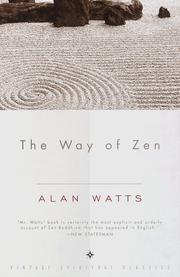
The Way of Zen
Alan W. Watts
The history and core principles of the Eastern philosophy of Zen
4.4 (756)32 mins
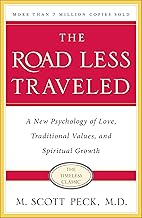
The Road Less Traveled
M. Scott Peck
A New Psychology of Love, Traditional Values and Spiritual Growth
4.4 (1249)22 mins

The Second Mountain
David Brooks
The Quest for a Moral Life
4.4 (1028)34 mins
The Seven Spiritual Laws of Success
Deepak Chopra
A Pocketbook Guide to Fulfilling Your Dreams
4.4 (648)24 mins

The Four Agreements
Don Miguel Ruiz & Janet Mills
A Practical Guide to Personal Freedom
4.3 (913)21 mins
God Is Not Great
Christopher Hitchens
How Religion Poisons Everything
4.0 (729)32 mins