
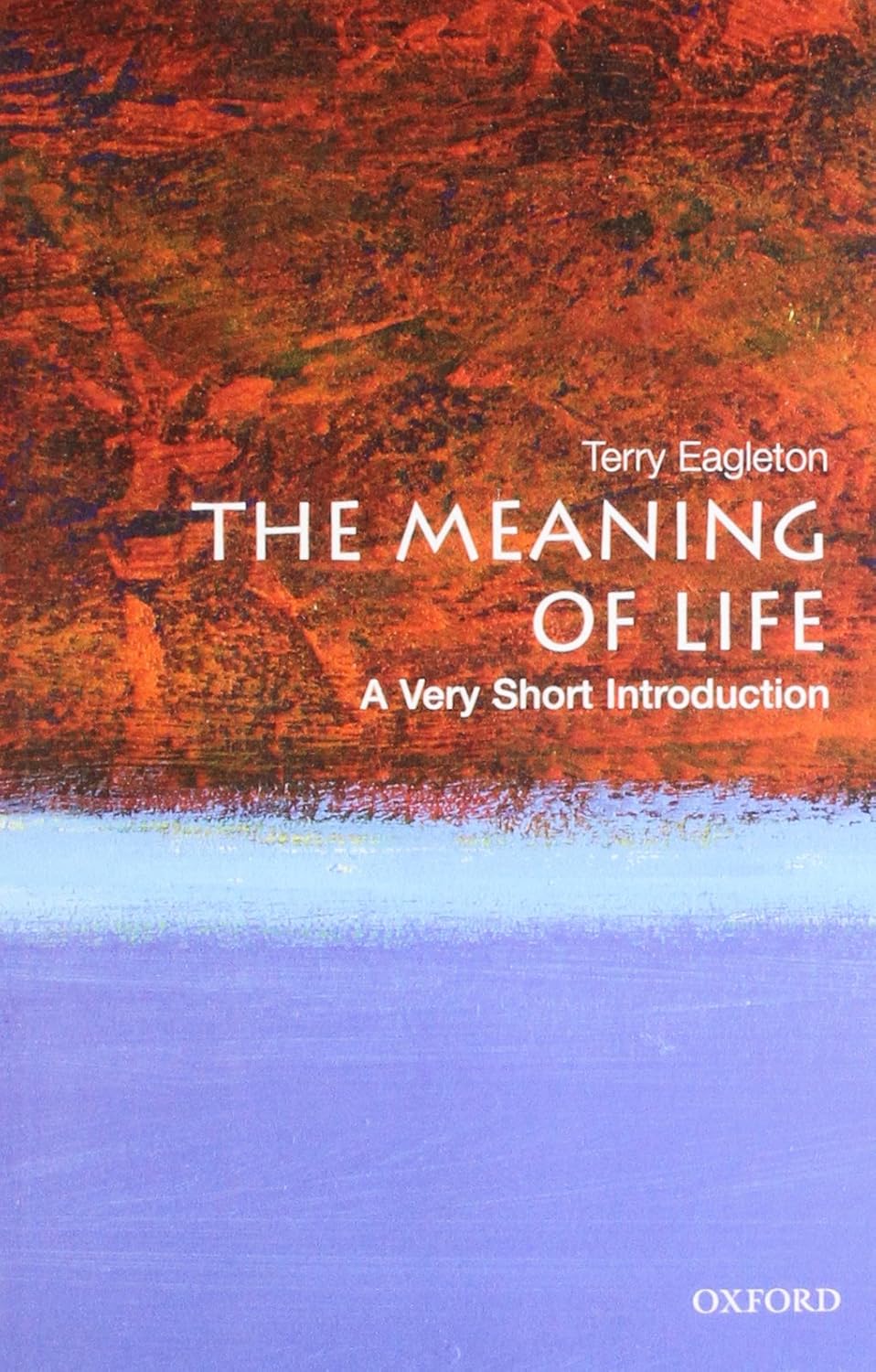
The Meaning of Life Summary
By Terry Eagleton
A Very Short Introduction
Summary preview
What does it mean to ask about the meaning of life? It sounds like the grandest of grand questions, the sort of thing that arrives late at night, or in a philosophy seminar, or after too much bad wine. Yet the charm of this book is that it refuses to treat the question as either silly or sacred. Terry Eagleton begins by noticing that modern culture often swings between embarrassment and melodrama. Some people think the question is woolly nonsense. Others wrap it in incense and solemn music. He does neither. He takes it seriously without becoming pompous, and he teases it without making it trivial. The first thing he helps you see is that the question itself is slippery. Are we asking for the purpose of human existence as a whole? Are we asking what gives an individual life value? Are we asking why there is something rather than nothing? These are not the same puzzle, and much confusion begins when they are bundled together. A knife can have a purpose because someone made it for cutting. Human beings are not quite like knives. So when people demand the meaning of life, they may be searching for a cosmic plan, a moral direction, a source of happiness, or simply a reason to get out of bed on Monday morning. From there the book opens out into a lively tour of the usual suspects. Religion, philosophy, culture, politics, art, morality, love, happiness, self fulfilment, and death all take their turn. Along the way, old certainties are tested and fashionable modern answers are prodded for weakness. The book has a mischievous way of exposing inflated ideas. It is sharp about the modern obsession with the self, suspicious of slogans about being true to yourself, and alert to how easily the search for meaning turns into self worship. At the same time, it is deeply humane. It keeps returning to the thought that meaning may have less to do with peering inward than with relation, practice, community, and love. What makes the journey worth taking is that the argument never sits still. It moves through Aristotle and Jesus, Shakespeare and Schopenhauer, existentialists and postmodernists, not to show off but to clear ground. The point is not to pile up clever opinions. It is to discover why the question has haunted us for so long, why some answers fail, and what a more believable answer might look like. By the end, the problem of meaning looks less like a secret code hidden in the universe and more like a way of living well with others. That is the wager of the whole book. Meaning is not a mysterious substance waiting to be found. It may be something enacted, shared, and embodied, often in the least self dramatic parts of ordinary life.
Sign up to continue reading
Get access to full book summaries, audio of the summaries, and many more.
Similar Books
Books with a similar vibe—explore more like this.

The Stranger
Albert Camus
A Philosophical Journey Into Alienation
4.6 (64)27 mins

The Rebel
Albert Camus
An Essay on Man in Revolt
4.6 (21)25 mins
The Four Agreements
Don Miguel Ruiz & Janet Mills
A Practical Guide to Personal Freedom
4.3 (913)21 mins

Utilitarianism
John Stuart Mill
Explore a Timeless Ethics Classic
4.8 (46)24 mins
Hamlet
William Shakespeare
A Young Prince's Tragic Descend Into Madness and Revenge
4.8 (43)28 mins
The Epic of Gilgamesh
Anonymous
A timeless tale of friendship, mortality, and the search for meaning
4.8 (34)23 mins
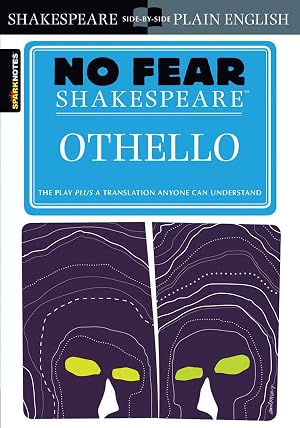
Othello
William Shakespeare
Love, Betrayal, and the Fall of a Hero
4.8 (14)22 mins
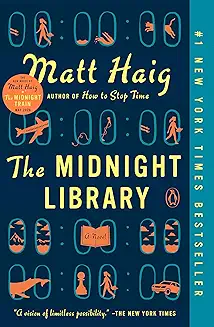
The Midnight Library
Matt Haig
A Fantasy Novel About the Choices That Lead to a Life Well-Lived
4.7 (4782)32 mins

Uncle Tom's Cabin
Harriet Beecher Stowe
The Problem of Slavery and Its Treatment of Human Beings
4.7 (41)25 mins

Beethoven
Laura Tunbridge
A Life in Nine Pieces
4.7 (24)34 mins