
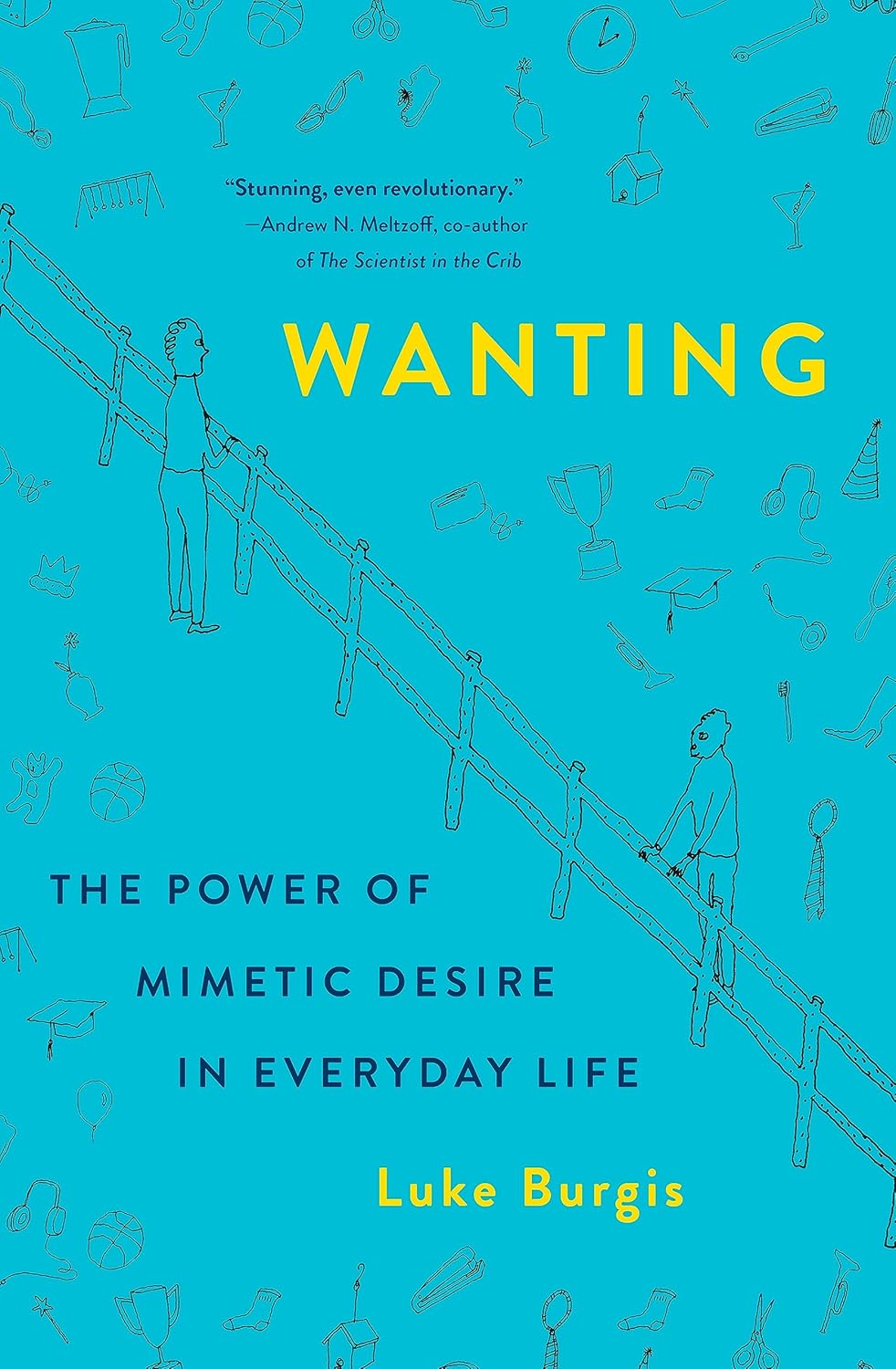
Wanting Summary
By Luke Burgis
The Power of Mimetic Desire in Everyday Life
Summary preview
Most of us move through life with a quiet confidence that our desires belong to us. We think we chose the career because it fits our gifts, the partner because of some private chemistry, the house because it reflects our taste, the goals because they rise from deep inside. But if you look closely, desire is far less personal and far more social than it seems. That is the unsettling and liberating idea at the heart of Wanting. The book invites you to examine not just what you want, but where your wanting came from in the first place. Luke Burgis builds this exploration around a deceptively simple insight drawn from René Girard, the great twentieth century thinker who argued that human desire is mimetic. That means we learn what to want by watching other people want it. We imitate not only actions, opinions, and habits, but desire itself. We borrow our sense of what is valuable from models around us. Sometimes those models help us grow. Sometimes they trap us in rivalry, envy, and endless dissatisfaction. Once you see this process, you begin to recognize it everywhere, from business and romance to politics, religion, family life, and social media. This is not a dry theory book. It is a practical map for modern life. It asks why people chase goals that leave them empty, why elite institutions produce both prestige and misery, why success can intensify confusion instead of resolving it, and why some of the most painful conflicts begin with imitation rather than difference. It also asks a more hopeful question. If wanting is contagious, can it be healed? Can we learn to desire better things, and learn from better models? The journey moves from the hidden mechanics of desire to the social structures that amplify it. It explores how rivalry arises when our models become obstacles, how systems built on prestige and scarcity generate imitation at scale, and how technologies of attention make us vulnerable to desires that are not truly ours. Along the way, you meet entrepreneurs, monks, students, celebrities, saints, executives, and seekers, all of them caught in one way or another in the drama of wanting. What makes the book so compelling is that it never treats desire as a problem to be solved by sheer willpower. You cannot simply decide to want differently in isolation. Desire is relational. It is shaped by the people you admire, the communities you inhabit, and the stories you tell about a good life. To change your desires, you must change your models and often your environment. The result is a fresh way to understand the modern self. We are not autonomous islands making clean independent choices. We are porous creatures, always learning from one another. That truth can lead to manipulation and conflict, but it can also become a path toward freedom. Once you recognize what is shaping your desire, you are less likely to be driven blindly by it. And once you choose your models more...
Sign up to continue reading
Get access to full book summaries, audio of the summaries, and many more.
Similar Books
Books with a similar vibe—explore more like this.

Psychological Types
Carl Jung
Collected works from the supreme theorist of the conscious
4.7 (89)21 mins

Madness and Civilization
Michel Foucault
A History of Insanity in the Age of Reason
4.5 (53)24 mins
Humankind
Rutger Bregman
A Hopeful History
4.4 (341)33 mins
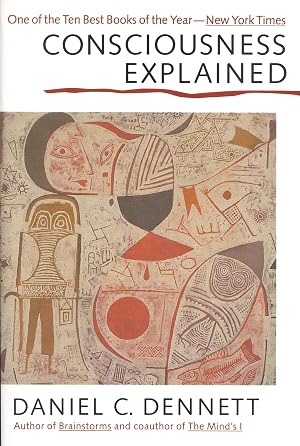
Consciousness Explained
Daniel C. Dennett
Redefine Your Understanding of the Mind and Consciousness
4.4 (42)24 mins

Discipline & Punish
Michel Foucault
The Birth of the Prison
4.4 (49)27 mins
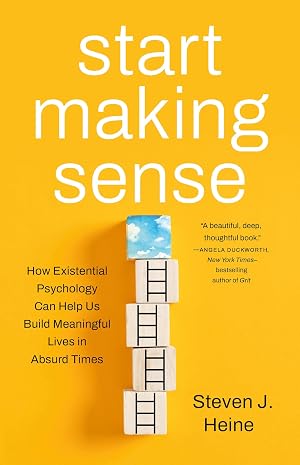
Start Making Sense
Steven J Heine
How Existential Psychology Can Help Us Build Meaningful Lives in Absurd Times
4.3 (12)18 mins

The Wretched of the Earth
Frantz Fanon
A Powerful Exploration of Colonialism's Psychological Impact
4.3 (9)22 mins
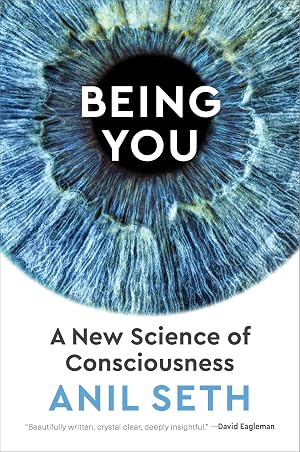
Being You
Anil Seth
A New Science of Consciousness
4.3 (189)31 mins
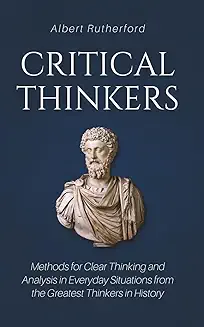
Critical Thinkers
Albert Rutherford
Methods for Clear Thinking and Analysis in Everyday Situations from the Greatest Thinkers in History
4.2 (392)30 mins
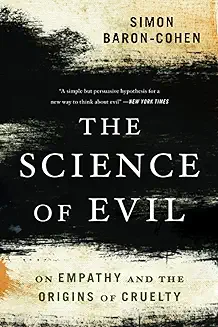
Science of Evil
Simon Baron-Cohen
On Empathy and the Origins of Cruelty
4.1 (539)24 mins