
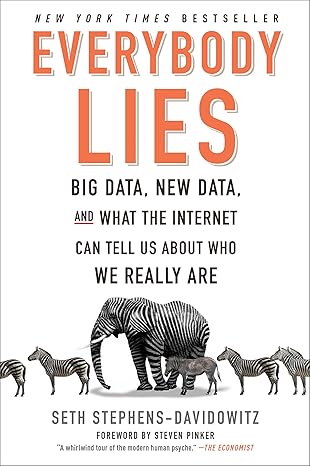
Everybody Lies Summary
By Seth Stephens-Davidowitz
Big Data, New Data and What the Internet Can Tell Us About Who We Really Are
Summary preview
We live in a strange age. Never before have people left behind such a vast trail of clues about what they really think, fear, want, and do. Every search typed into Google, every private click on a website, every scroll through a social feed, every little digital action creates a record. And those records tell stories that people often would never tell a spouse, a friend, a pollster, or even themselves. That is the big idea at the heart of Everybody Lies. The internet, especially search data, has become a kind of truth serum. It reveals our secret selves. The book begins with a simple but unsettling observation. Human beings lie all the time. We lie to others to look good, to avoid shame, to fit in, to seem kinder, smarter, healthier, less prejudiced, more successful, more faithful, more stable. We also lie to surveys and questionnaires, even when there is no real reason to do so. We say we vote when we do not. We say we read more than we read. We say we are tolerant, happy, loyal, and generous. But when we are alone with a search box, we often tell the truth. Or at least something much closer to it. That turns big data into something more than a business buzzword. It becomes a powerful new way of understanding human nature. What people search for can expose hidden racism, private sexual interests, anxiety about children, worry about marriage, depression, self doubt, and prejudice that barely appears in public life. It can also help answer practical questions that once seemed impossible to study well. Which jokes work best? What makes a child successful? Which ads persuade voters? How can someone become a better parent, better worker, or better partner? Tiny traces from millions of lives can add up to patterns of staggering clarity. But this is not a book that simply worships data. It is curious, playful, and skeptical. It asks what kinds of data matter, when they mislead, and how to use them wisely. It moves from racism to parenting, from porn to politics, from horse racing to health. It argues that massive datasets can reveal truths traditional social science has missed, while also warning that numbers are only useful when paired with good questions and careful thinking. Seth Stephens-Davidowitz writes with the energy of someone opening a hidden door and inviting you to peek inside. The thrill of the book comes from that feeling. You start by thinking you are learning about internet searches. You end up learning about people. About how often we hide our motives. About how often experts guess wrong. About how much the world can be understood when we stop listening only to what people say and start noticing what they actually do. This is a book about the secrets people keep and the new science that can uncover them.
Sign up to continue reading
Get access to full book summaries, audio of the summaries, and many more.
Similar Books
Books with a similar vibe—explore more like this.
Fooled by Randomness
Nassim Nicholas Taleb
The Hidden Role of Chance in Life and the Markets
4.6 (937)31 mins
Think Like a Freak
Steven D. Levitt and Stephen J. Dubner
Find the unconvential yet brilliant ideas hidden in data
4.4 (69) mins
The Winner's Curse
Richard H. Thaler, Alex O. Imas
Behavioral Economics Anomalies Then and Now
4.3 (11) mins
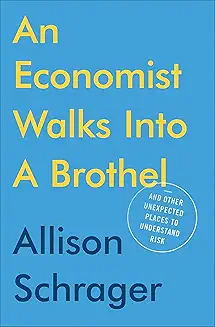
An Economist Walks into a Brothel
Allison Schrager
And Other Unexpected Places to Understand Risk
4.2 (275)22 mins
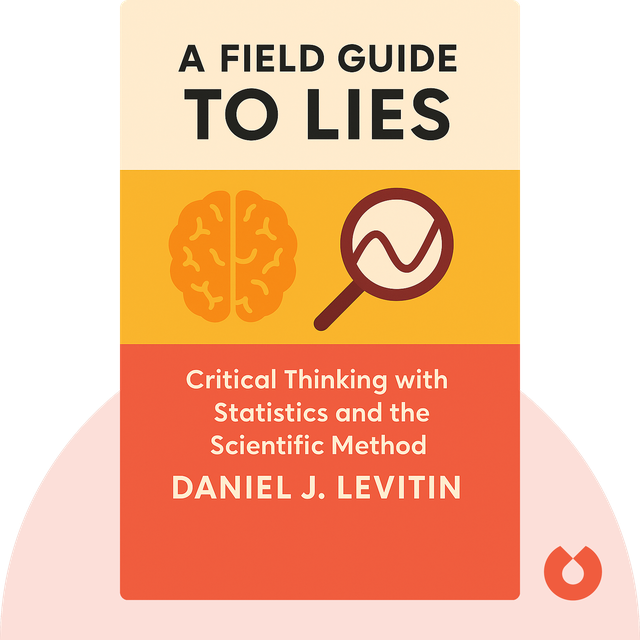
A Field Guide to Lies
Daniel J. Levitin
Critical Thinking with Statistics and the Scientific Method
4.2 (20)22 mins

Trading in the Zone
Mark Douglas
Master the Market with Confidence, Discipline, and a Winning Attitude
4.2 (118)18 mins

Command and Control
Eric Schlosser
Nuclear Weapons, the Damascus Accident, and the Illusion of Safety
4.9 (14) mins
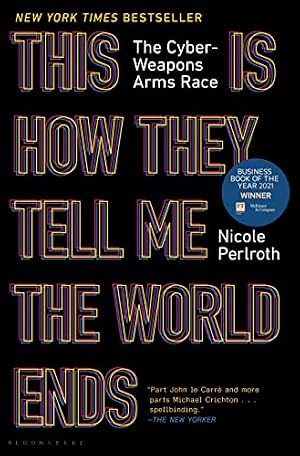
This Is How They Tell Me the World Ends
Nicole Perlroth
The Cyberweapons Arms Race
4.8 (64)33 mins

Widen the Window
Elizabeth A. Stanley
Training Your Brain and Body to Thrive During Stress and Recover from Trauma
4.8 (158) mins
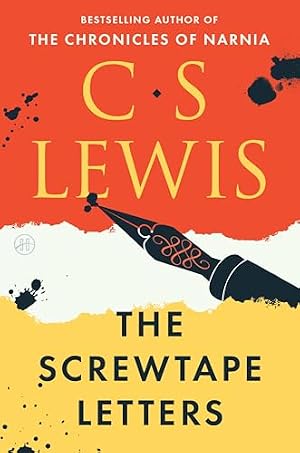
The Screwtape Letters
C.S. Lewis
Letters from a Senior to a Junior Devil
4.8 (47) mins