
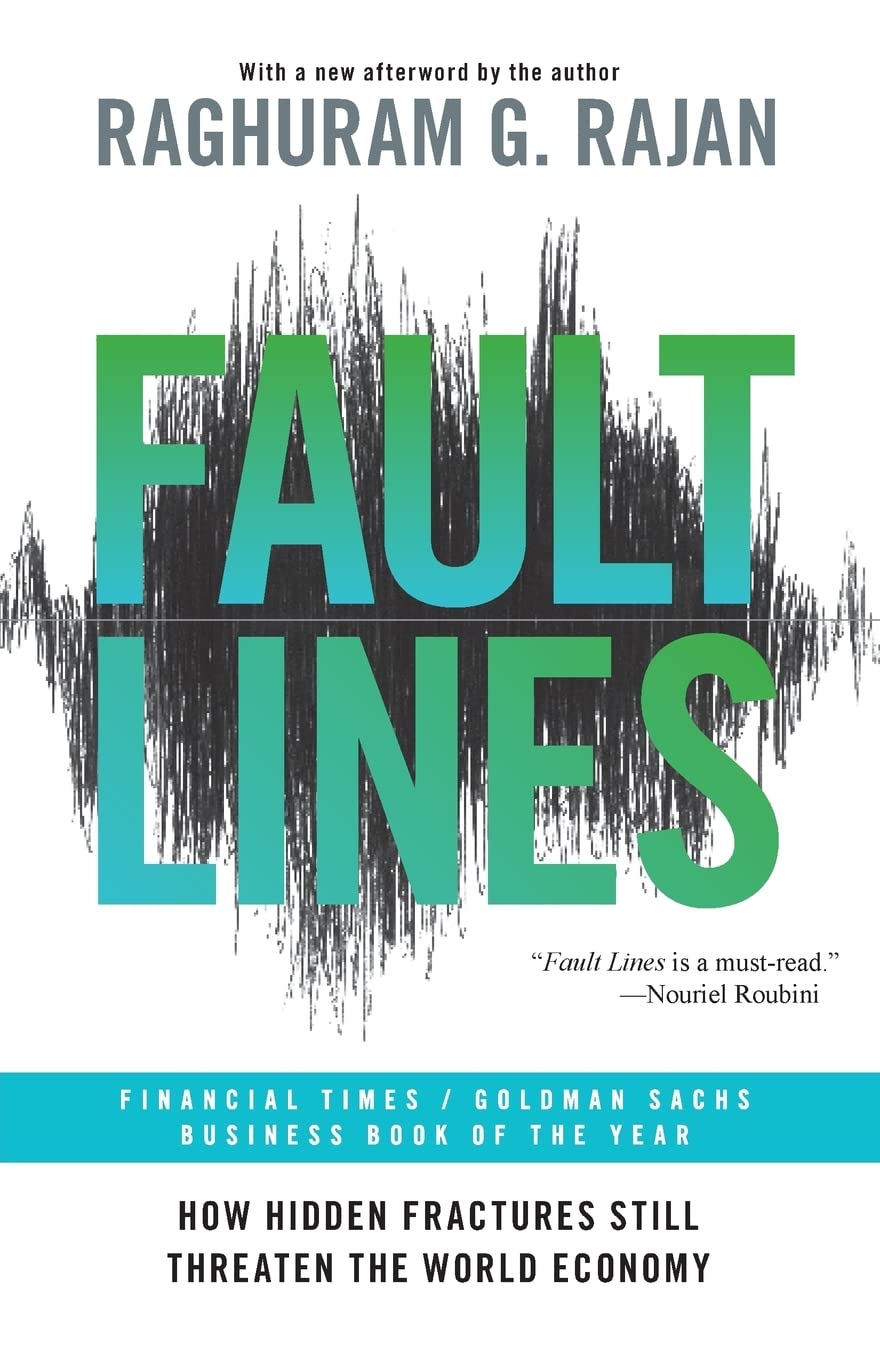
Fault Lines Summary
By Raghuram G. Rajan
How Hidden Fractures Still Threaten The World Economy
Summary preview
Some crises arrive like a bolt from the blue. This one did not. The great financial crash of 2008 looked sudden only if you focused on the final panic, the collapsing banks, the frozen markets, the fear on trading floors, and the stunned faces of policymakers. But if you step back, as I want you to do, the picture changes. You begin to see long building pressures, hidden weaknesses, and deep fractures in the global economy that had been widening for years. That is what Fault Lines is really about. It is not just a story of reckless bankers, foolish borrowers, or inattentive regulators, though all of them played their part. It is a story about the dangerous stresses created when economies, politics, and finance fail to fit together. Raghuram G. Rajan asks a simple but unsettling question. Why did a country as rich and sophisticated as the United States become so dependent on easy credit and rising house prices? Why did the world save so much in some places and borrow so much in others? Why did governments celebrate financial innovation when they barely understood its risks? And why, after repeated warnings, did so many smart people convince themselves that the system was safer than ever just before it broke? The answer unfolds through a set of linked fault lines. One ran through American society itself, especially through widening inequality and a weakening safety net. Instead of dealing honestly with stagnant wages and poor access to education, politics leaned on credit as a substitute for opportunity. Another fault line ran through global trade and capital flows. Countries like China, Germany, and Japan saved heavily and looked abroad for demand, while the United States consumed and borrowed. A third fault line ran through modern finance, where compensation, competition, and the belief in sophisticated risk management encouraged institutions to take hidden risks that paid well in the short run. What makes the book so compelling is that it refuses easy villains and easy comfort. The trouble was systemic. It arose from political bargains, social anxieties, and international imbalances that seemed manageable while asset prices rose. The crisis merely exposed them. If we repair only the visible damage and ignore the underlying cracks, we set ourselves up for another collapse. So this is not just a backward looking account. It is also a warning and a guide. It asks us to think carefully about growth, fairness, finance, and the role of the state. It suggests that lasting stability cannot come from cheap money, endless borrowing, or faith in technocrats alone. We need stronger institutions, better incentives, and above all the courage to confront the real sources of insecurity rather than hide them behind credit bubbles. That is the journey ahead.
Sign up to continue reading
Get access to full book summaries, audio of the summaries, and many more.
Similar Books
Books with a similar vibe—explore more like this.

Command and Control
Eric Schlosser
Nuclear Weapons, the Damascus Accident, and the Illusion of Safety
4.9 (14)34 mins
This Is How They Tell Me the World Ends
Nicole Perlroth
The Cyberweapons Arms Race
4.8 (64)33 mins
The Fixer
Bradley Tusk
Saving Startups from Death by Politics
4.8 (5)32 mins

How Music Got Free
Stephen Witt
What happens when an entire generation commits the same crime?
4.8 (8)36 mins

From Third World to First
Lee Kuan Yew
The Singapore Story: 1965-2000
4.7 (16)22 mins
The Bitcoin Standard
Saifedean Ammous
The Decentralized Alternative to Central Banking
4.6 (291)34 mins
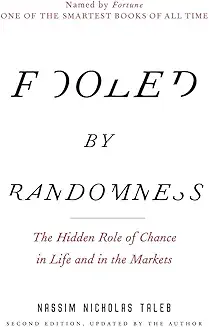
Fooled by Randomness
Nassim Nicholas Taleb
The Hidden Role of Chance in Life and the Markets
4.6 (937)31 mins
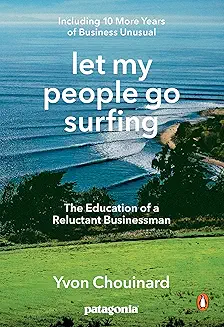
Let My People Go Surfing
Yvon Chouinard
The Education of a Reluctant Businessman
4.6 (892)26 mins
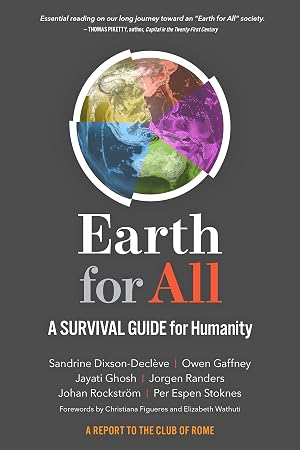
Earth for All
Sandrine Dixson-Decleve, Owen Gaffney, Jayati Ghosh, Jorgen Randers, Johan Rockstrom and Per Espen Stoknes
A Survival Guide for Humanity
4.6 (14)20 mins
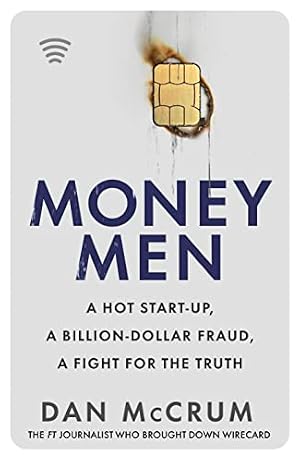
Money Men
Dan McCrum
A Hot Startup, A Billion Dollar Fraud, A Fight for the Truth
4.6 (15)22 mins