
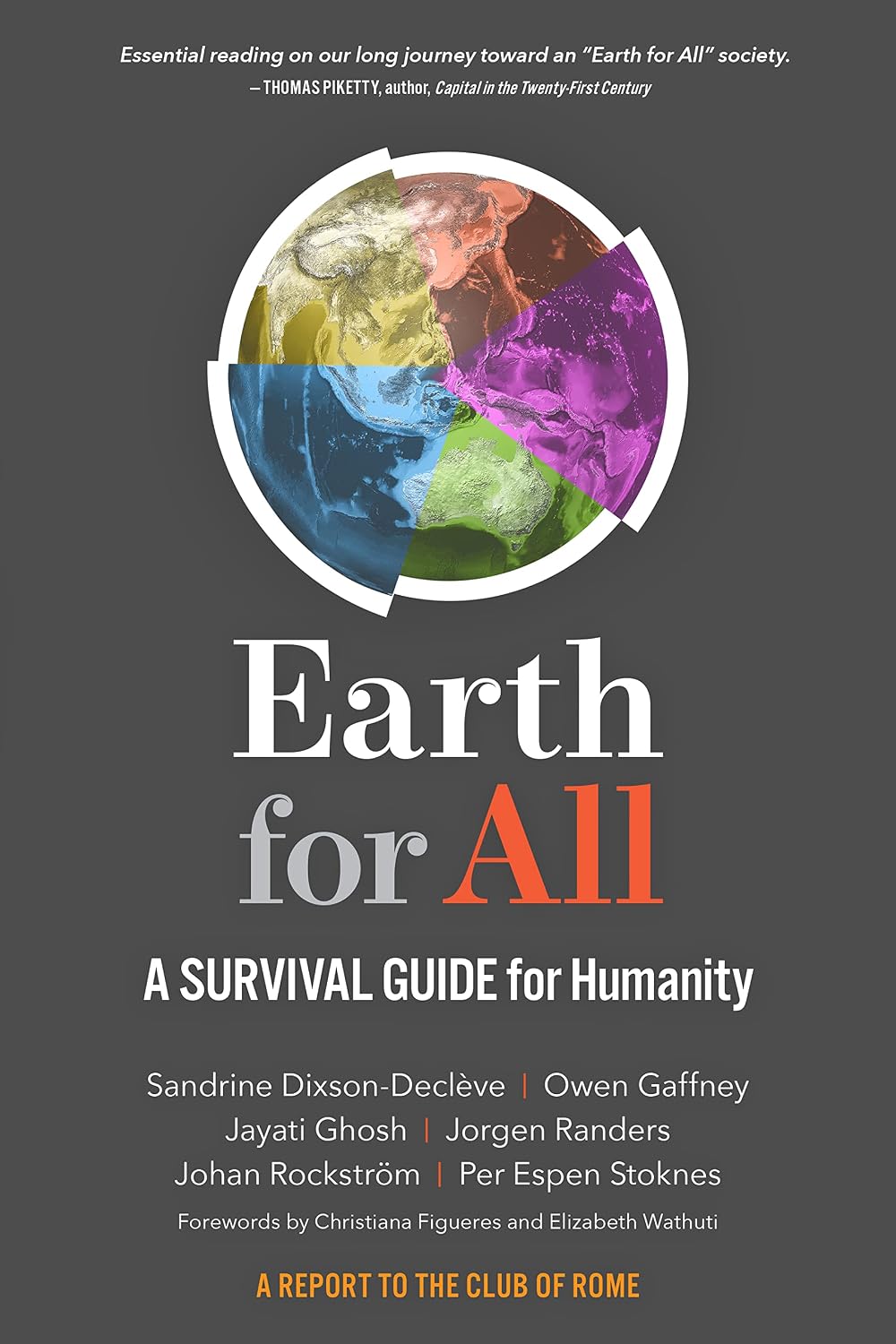
Earth for All Summary
By Sandrine Dixson-Decleve, Owen Gaffney, Jayati Ghosh, Jorgen Randers, Johan Rockstrom and Per Espen Stoknes
A Survival Guide for Humanity
Summary preview
Earth for All begins with a blunt truth and a hopeful invitation. We are living through a dangerous turning point. Climate disruption is accelerating. Nature is being pushed beyond safe limits. Inequality is tearing at the social fabric. Trust in institutions is weakening. Millions of people still live without security, dignity, or enough to meet basic needs. Yet this book insists that collapse is not our destiny. We still have time to choose a different path, if we act with courage and speed. The heart of the book is simple. Our crises are connected, so our solutions must be connected too. You cannot solve climate change while ignoring poverty. You cannot protect nature while preserving an economy built on endless extraction. You cannot ask people to support big changes if they feel excluded, insecure, or abandoned. The world needs not one technical fix, but a new story about progress, one that puts human wellbeing and planetary stability at the center. That is the spirit behind the Earth4All project, brought forward by Sandrine Dixson-Decleve, Owen Gaffney, Jayati Ghosh, Jorgen Randers, Johan Rockstrom and Per Espen Stoknes. Building on the legacy of earlier systems thinking, especially the work that warned decades ago about the dangers of overshoot, this book asks what kind of future is still possible in the twenty first century. It uses economic and environmental modeling to compare two broad pathways. One is Too Little Too Late, where leaders move slowly, protect old interests, and let inequality and ecological breakdown deepen. The other is the Giant Leap, where societies make bold changes across several fronts at once and create a fairer, safer, more resilient world. The book does not speak in abstractions alone. It is rooted in the lived reality of rising food prices, insecure jobs, debt burdens, extreme weather, political anger, and the everyday fear that life is becoming harder for ordinary people. At the same time, it is filled with practical proposals. It argues for ending poverty, reducing inequality, empowering women, transforming food systems, and shifting to clean energy, all within one generation. These are not side issues. They are the levers that can move the whole system. What makes the book compelling is that it refuses both naive optimism and fatalism. It does not pretend the transition will be easy. Powerful interests resist change. Governments often think in election cycles while crises unfold over decades. Many countries are trapped by debt, dependency, or weak institutions. Still, the book returns again and again to a core message. Human beings created the systems now driving harm, and human beings can redesign them. The choice before us is stark, but it is also liberating. If we act together, and if we aim high enough, we can build an economy that serves life rather than undermines it.
Sign up to continue reading
Get access to full book summaries, audio of the summaries, and many more.
Similar Books
Books with a similar vibe—explore more like this.

To Dye For
Alden Wicker
How Toxic Fashion Is Making Us Sick
4.4 (14)23 mins
Value(s)
Mark Carney
Building a Better World for All
4.3 (24)22 mins
2030
Mauro F. Guillén
How Today's Biggest Trends Will Collide and Reshape the Future of Everything
4.1 (368)27 mins
Energy Myths and Realities
Vaclav Smil
Bringing Science to the Energy Policy Debate
3.8 (42)24 mins

Project Animal Farm
Sonia Faruqi
An Accidental Journey into the Secret World of Farming and the Truth About Our Food
3.7 (3)31 mins
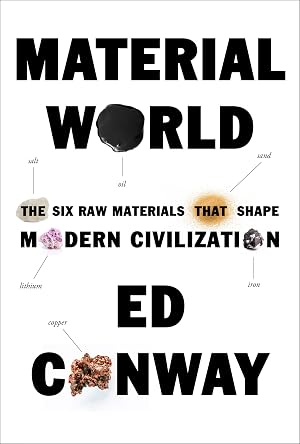
Material World
Ed Conway
The Six Raw Materials That Shape Modern Civilization
3.7 (22)25 mins

Command and Control
Eric Schlosser
Nuclear Weapons, the Damascus Accident, and the Illusion of Safety
4.9 (14)34 mins
Entangled Life
Merlin Sheldrake
How Fungi Make Our Worlds, Change our Minds and Shape Our Futures
4.8 (949)29 mins
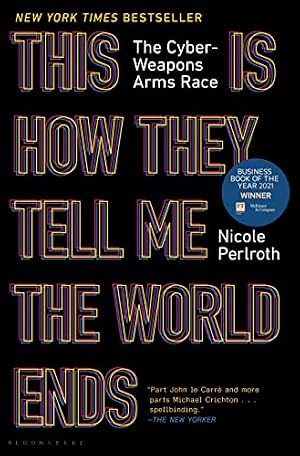
This Is How They Tell Me the World Ends
Nicole Perlroth
The Cyberweapons Arms Race
4.8 (64)33 mins
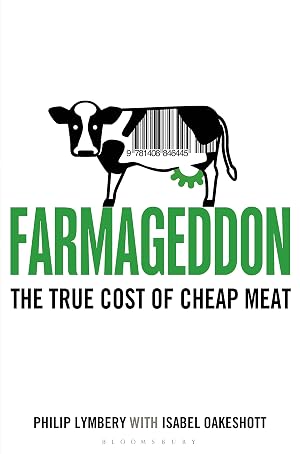
Farmageddon
Philip Lymbery with Isabel Oakeshott
The True Cost of Cheap Meat
4.8 (5)32 mins