
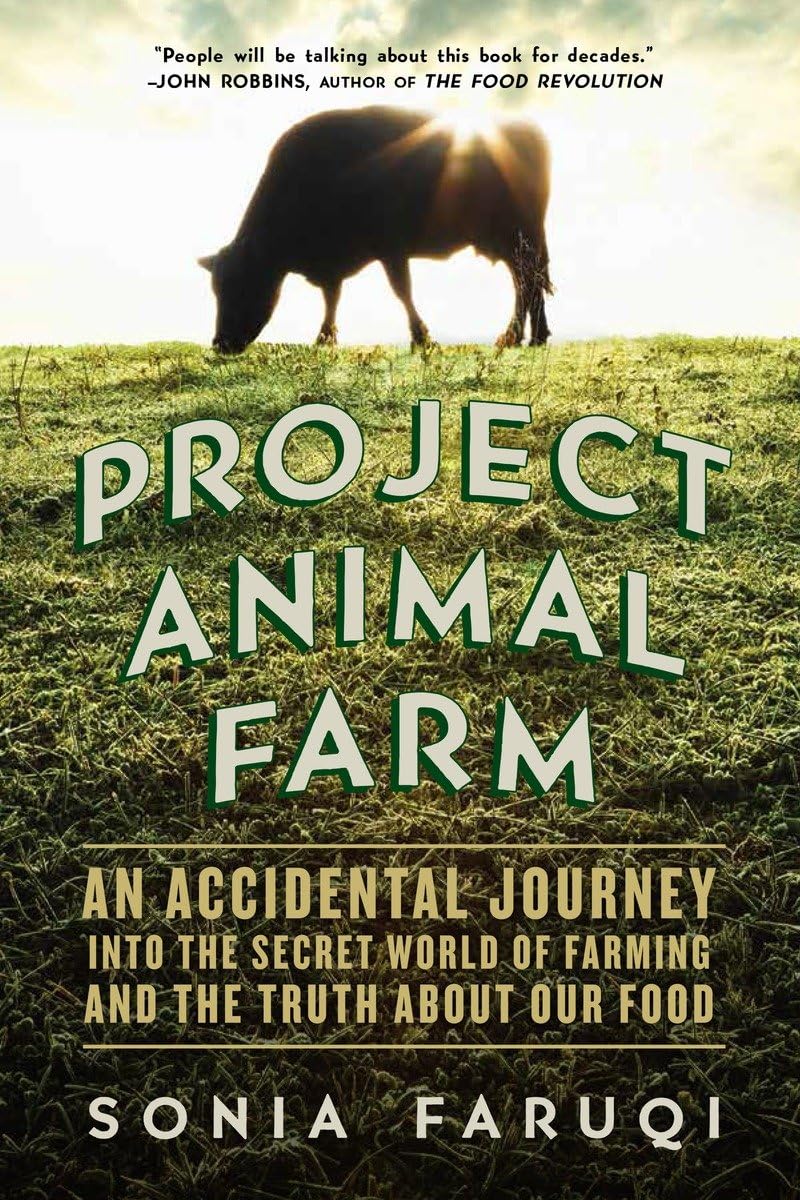
Project Animal Farm Summary
By Sonia Faruqi
An Accidental Journey into the Secret World of Farming and the Truth About Our Food
Summary preview
Some books ask you to think. This one asks you to feel, to witness, and then to decide what kind of person you want to be after the witnessing is done. Project Animal Farm begins with a deeply personal crisis and turns into an unflinching journey through one of the most hidden systems on earth, modern animal agriculture. What starts as a young woman’s private struggle with depression, disconnection, and pain becomes a much larger search for truth. That truth is not abstract. It has faces, bodies, cries, smells, cages, trucks, blood, and silence. At the heart of the story is a question that keeps growing louder. What happens when we really look at the lives of the animals raised for food, clothing, and profit. Not in cheerful ads or neat supermarket packaging, but where they actually live and die. The answer comes through travel, investigation, and direct encounters across many countries and many kinds of farms. Chickens, pigs, cows, buffaloes, fish, dogs, and more enter the story not as products but as individuals. The book keeps pulling away the curtain until it becomes impossible to pretend that cruelty is rare, accidental, or exceptional. But this is not only a book about suffering. It is also about awakening. It is about the strange distance that lets decent people participate in terrible systems without seeing themselves as cruel. It is about the stories society tells to make that distance feel normal. And it is about what can happen when one person chooses not to look away. There is fear here, and heartbreak, and outrage. There is also courage, curiosity, and a stubborn belief that compassion matters even when the world treats it as weakness. Sonia Faruqi writes with the energy of someone who has stepped into places she was never supposed to see and come back determined to report what she found. The voice is intimate and searching. You can feel the shock of discovery, the grief of recognition, and the urgency of wanting others to understand. Again and again, the book returns to a simple moral challenge. If animals can suffer, if they want safety, if they resist pain, if they seek comfort and companionship, then what does that demand from us. What follows is part memoir, part investigation, and part ethical reckoning. It moves from childhood impressions to factory farms, from slaughterhouses to rescue stories, from personal healing to global injustice. By the end, the world of food no longer looks ordinary. It looks chosen. And once you see that, you are invited to choose differently too.
Sign up to continue reading
Get access to full book summaries, audio of the summaries, and many more.
Similar Books
Books with a similar vibe—explore more like this.
Earth for All
Sandrine Dixson-Decleve, Owen Gaffney, Jayati Ghosh, Jorgen Randers, Johan Rockstrom and Per Espen Stoknes
A Survival Guide for Humanity
4.6 (14)20 mins
To Dye For
Alden Wicker
How Toxic Fashion Is Making Us Sick
4.4 (14)23 mins
Value(s)
Mark Carney
Building a Better World for All
4.3 (24)22 mins
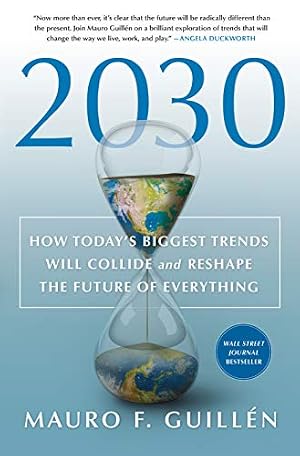
2030
Mauro F. Guillén
How Today's Biggest Trends Will Collide and Reshape the Future of Everything
4.1 (368)27 mins
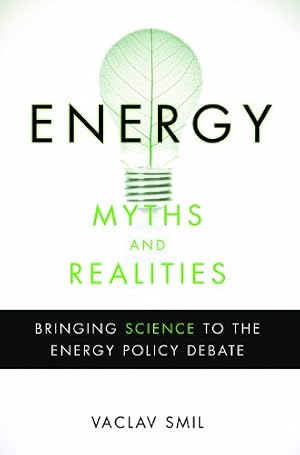
Energy Myths and Realities
Vaclav Smil
Bringing Science to the Energy Policy Debate
3.8 (42)24 mins
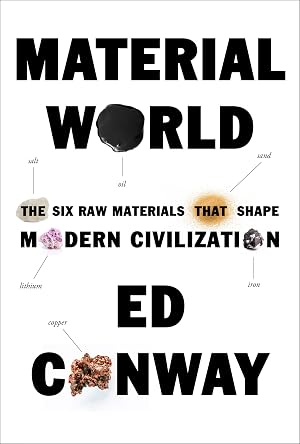
Material World
Ed Conway
The Six Raw Materials That Shape Modern Civilization
3.7 (22)25 mins

Command and Control
Eric Schlosser
Nuclear Weapons, the Damascus Accident, and the Illusion of Safety
4.9 (14)34 mins
Entangled Life
Merlin Sheldrake
How Fungi Make Our Worlds, Change our Minds and Shape Our Futures
4.8 (949)29 mins
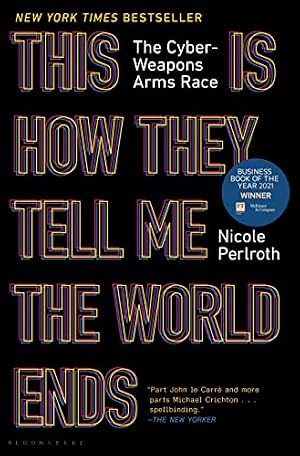
This Is How They Tell Me the World Ends
Nicole Perlroth
The Cyberweapons Arms Race
4.8 (64)33 mins
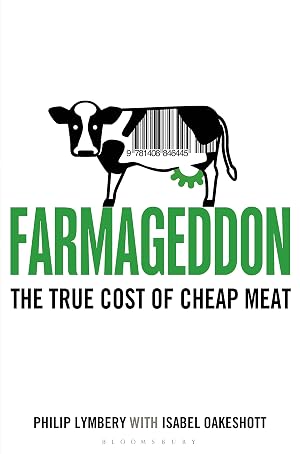
Farmageddon
Philip Lymbery with Isabel Oakeshott
The True Cost of Cheap Meat
4.8 (5)32 mins