
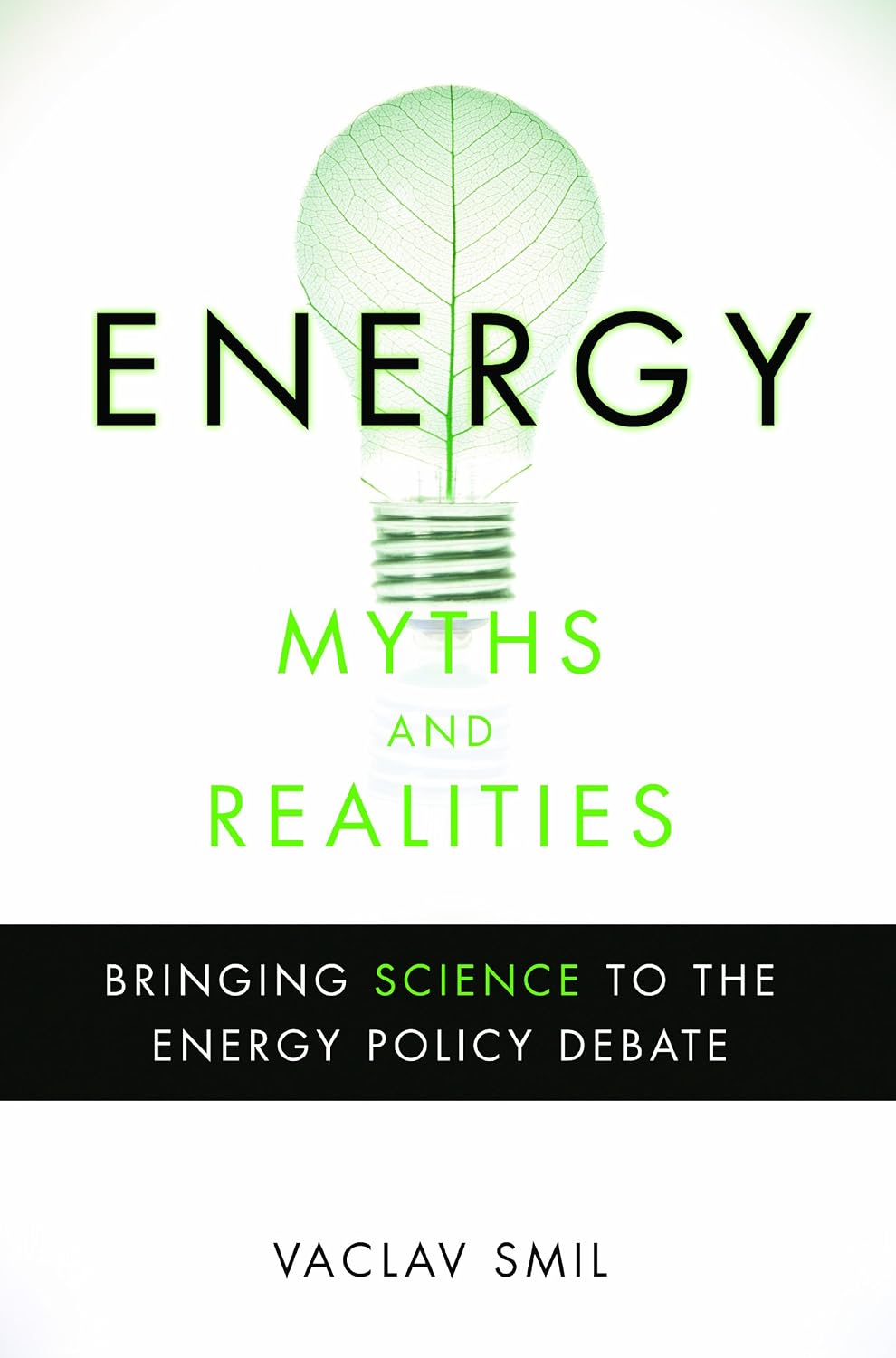
Energy Myths and Realities Summary
By Vaclav Smil
Bringing Science to the Energy Policy Debate
Summary preview
We live surrounded by loud claims about energy. We hear that we are running out of fuel, that a miracle technology is just around the corner, that one simple switch can free us from oil, coal, and waste, and that the world would be cleaner and safer if only governments or companies would finally do the obvious thing. Energy Myths and Realities is a calm answer to all that noise. It asks us to slow down, look at the numbers, and respect how deeply energy is woven into modern life. Vaclav Smil does not write to flatter easy hopes or feed simple fears. He writes to clear the air. His purpose is not to defend one fuel or attack another. It is to show that most public talk about energy is distorted by wishful thinking, political slogans, shallow comparisons, and poor understanding of scale. Energy systems are vast. They took generations to build. They serve billions of people every hour of every day. Because of that, real change is almost always slower, harder, and more complicated than enthusiasts imagine. The book brings together many of the arguments that dominate public debate. Are we really running out of oil. Can the world shift quickly to renewable power. Is nuclear energy a clean rescue or an unacceptable risk. Does globalization waste energy by moving goods across oceans. Have we become more efficient, or do gains simply lead us to consume more. Are food and fuel competing in dangerous ways. What should ordinary people and policymakers believe when every side offers certainty. These are the kinds of questions taken up here. The spirit of the book is empirical and grounded. Instead of rhetoric, you get comparisons. Instead of prophecy, you get history. Instead of grand moral drama, you get a patient tour through engineering limits, physical realities, and economic tradeoffs. The argument returns again and again to one simple lesson. Density matters. Scale matters. Infrastructure matters. Time matters. A civilization built on concentrated fossil fuels cannot be transformed overnight, no matter how noble the intention. Yet this is not a gloomy book. It does not say that improvement is impossible. It says that honest improvement begins with realism. Better insulation, smarter machines, cleaner fuels, more efficient transport, and wiser use of electricity can all help. New technologies do matter. But fantasies are no substitute for understanding. If you want to think clearly about energy, you must first give up the comforting myth that there are easy answers. What follows is a guided effort to replace slogans with perspective and excitement with judgment.
Sign up to continue reading
Get access to full book summaries, audio of the summaries, and many more.
Similar Books
Books with a similar vibe—explore more like this.
Earth for All
Sandrine Dixson-Decleve, Owen Gaffney, Jayati Ghosh, Jorgen Randers, Johan Rockstrom and Per Espen Stoknes
A Survival Guide for Humanity
4.6 (14)20 mins

To Dye For
Alden Wicker
How Toxic Fashion Is Making Us Sick
4.4 (14)23 mins
Value(s)
Mark Carney
Building a Better World for All
4.3 (24)22 mins
2030
Mauro F. Guillén
How Today's Biggest Trends Will Collide and Reshape the Future of Everything
4.1 (368)27 mins

Project Animal Farm
Sonia Faruqi
An Accidental Journey into the Secret World of Farming and the Truth About Our Food
3.7 (3)31 mins
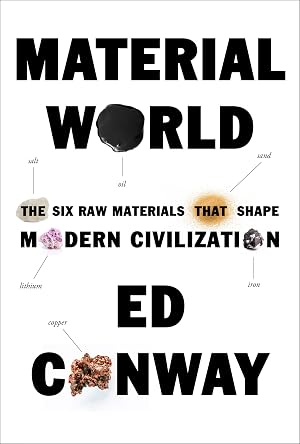
Material World
Ed Conway
The Six Raw Materials That Shape Modern Civilization
3.7 (22)25 mins

Command and Control
Eric Schlosser
Nuclear Weapons, the Damascus Accident, and the Illusion of Safety
4.9 (14)34 mins
Entangled Life
Merlin Sheldrake
How Fungi Make Our Worlds, Change our Minds and Shape Our Futures
4.8 (949)29 mins
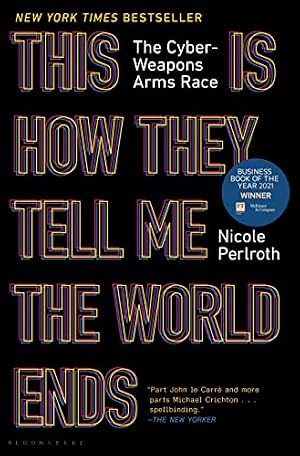
This Is How They Tell Me the World Ends
Nicole Perlroth
The Cyberweapons Arms Race
4.8 (64)33 mins
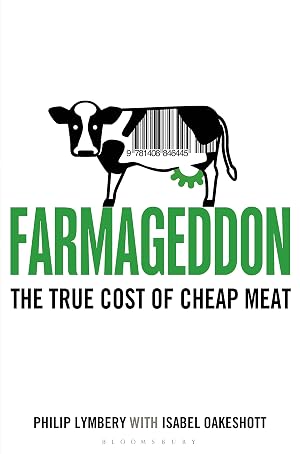
Farmageddon
Philip Lymbery with Isabel Oakeshott
The True Cost of Cheap Meat
4.8 (5)32 mins