
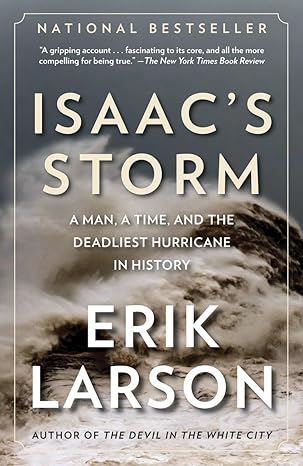
Isaac's Storm Summary
By Erik Larson
A Man, a Time, and the Deadliest Hurricane in History
Summary preview
At the heart of Isaac's Storm lies a cruel meeting between human confidence and the wild force of nature. The book tells the story of the 1900 hurricane that destroyed Galveston, Texas, and of the Weather Bureau man who stood at the center of it, Isaac Cline. It is a disaster story, yes, but it is also a story about pride, science, blindness, and the strange ways people try to make sense of danger when danger still feels far away. The storm itself is immense, but the real power of the book comes from how close it stays to ordinary lives. We see families talking on porches, children playing, businessmen making plans, immigrants searching for opportunity, and weather men reading instruments and telegrams, all while the sea and sky are quietly gathering force. Erik Larson builds the tale with the patience of a novelist and the care of a reporter. He lets the city of Galveston rise before us as a bright, booming place, rich with money, ambition, elegance, and faith in its own future. It was a city that believed itself chosen. People called it the New York of the Gulf. It had fine homes, grand hotels, electric lights, and a sense that progress would keep rolling forward. Yet beneath that confidence sat a deep fragility. Galveston was low, exposed, and vulnerable to the sea. Many people knew storms could strike, but they had folded that truth into daily life and pushed it aside. That is often how catastrophe works. It approaches through habits of denial as much as through wind and water. Isaac Cline becomes the human lens for all of this. He is gifted, diligent, serious, and devoted to science. He believes in his work and in the authority of the Weather Bureau. He also carries assumptions that turn fatal. He had publicly argued that a devastating hurricane could never truly destroy Galveston. That belief was not just personal. It grew from the limits of weather science at the time, from institutional arrogance, and from poor communication among nations that should have shared knowledge. The book never paints him as a villain. Instead, it shows a man trapped inside his era's certainties, trying to do his job while the world he understands begins to fail him. As the narrative moves forward, the storm gathers in pieces. Reports come from ships, islands, and Caribbean observers. Cuba's experienced meteorologists read the signs clearly, but American officials dismiss them. By the time the danger is undeniable, time has nearly run out. What follows is both intimate and overwhelming. The sea enters homes. Buildings break apart. Families are torn from one another. Courage and terror mingle hour by hour. The storm strips away comfort, status, and illusion, leaving only the raw question of who survives and at what cost. What makes the book linger is that it is never only about one day in 1900. It is about the limits of prediction, the seduction of certainty, and the human need to...
Sign up to continue reading
Get access to full book summaries, audio of the summaries, and many more.
Similar Books
Books with a similar vibe—explore more like this.
Losing Eden
Lucy Jones
Why Our Minds Need the Wild
4.6 (641)28 mins
The Watchman's Rattle
Rebecca D. Costa
Thinking Our Way Out of Extinction
4.6 (10)22 mins
The Wide Wide Sea
Hampton Sides
The Fateful Final Voyage of Captain James Cook
4.5 (830)28 mins
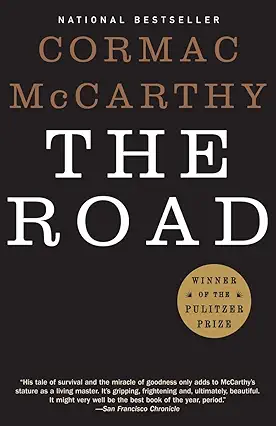
The Road
Cormac McCarthy
A searing, postapocalyptic novel destined to become Cormac McCarthy’s masterpiece.
4.5 (365)24 mins
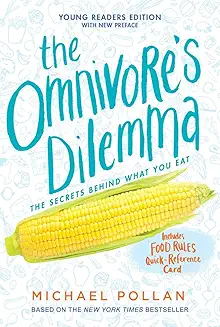
The Omnivore's Dilemma
Michael Pollan
A Natural History of Four Meals
4.5 (672)34 mins
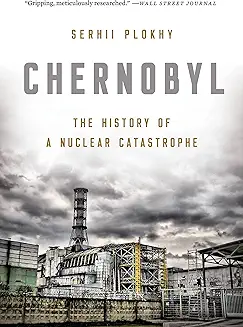
Chernobyl
Serhii Plokhy
The History of a Nuclear Catastrophe
4.5 (1034)28 mins
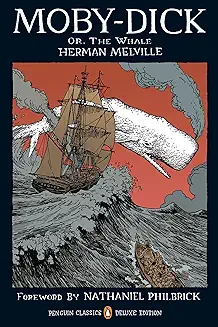
Moby Dick
Herman Melville
One Man’s Obsession With Revenge Turns Into Self-Destruction
4.5 (1028)19 mins
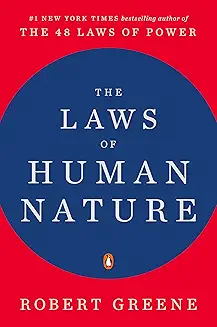
The Laws of Human Nature
Robert Greene
What affects your day-to-day life
4.4 (940)32 mins
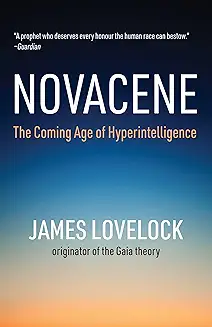
Novacene
James Lovelock
The Coming Age of Hyperintelligence
4.4 (554)25 mins
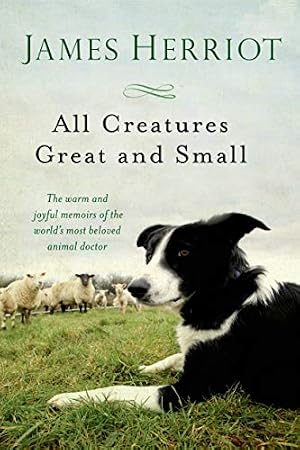
All Creatures Great and Small
James Herriot
The Warm and Joyful Memoirs of the World's Most Beloved Animal Doctor
4.4 (41)27 mins