
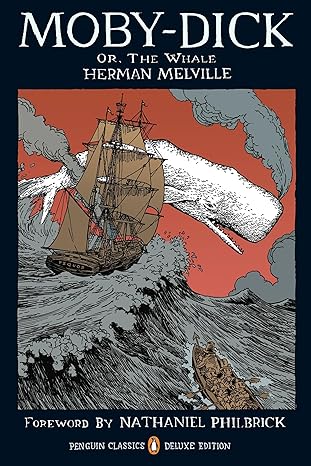
Moby Dick Summary
By Herman Melville
One Man’s Obsession With Revenge Turns Into Self-Destruction
Summary preview
Call me Ishmael. With that easy little opening, Herman Melville invites you aboard not just a ship, but a whole world. Moby Dick is a sea tale, yes, full of salt, storms, blubber, ropes, and harpoons. But it is also a tale about the things that seize the human heart and will not let go. It is about hunger for meaning, hunger for revenge, hunger for mastery over what is wild and vast and beyond all rule. It asks what happens when a man takes one hurt, one mystery, one white shape in the sea, and makes it the center of the universe. At the surface, the story seems plain enough. Ishmael, restless and low in spirit, goes to sea on a whaling voyage. In New Bedford and Nantucket he finds his way into the rough, lively brotherhood of sailors. He meets Queequeg, tattooed, noble, strange at first sight, and soon dear as any friend could be. Together they sign onto the Pequod, a whaling ship outward bound on a long voyage. Only after the ship has left land does its true master reveal his true purpose. Captain Ahab, scarred in body and burning in soul, does not mean merely to hunt whales for oil and profit. He means to pursue one whale above all others, the great white whale Moby Dick, who tore away his leg and became in his mind the very face of all evil and all insult. From there the book spreads wide as the ocean itself. It gives you action, certainly. You get whale hunts, dangerous boat chases, typhoons, strange meetings with other ships, and the final terrible chase that readers remember forever. Yet the story never hurries in a straight line. It circles, sounds depths, pauses to examine the shape of a whale’s head, the use of a harpoon, the rank of a mate, the color white, the rules of squeezing sperm oil, the look of the sea at night. What might seem like wandering is part of the great design. The voyage is not only through waters of the globe, but through the mind trying to grasp creation. That is the wonder of this book. It is at once an adventure and a meditation, a rough sailor’s yarn and a mighty, searching sermon. It can be funny, tender, savage, grand, and eerie all within a few pages. It loves the common talk of working men and then suddenly rises into thunder. You feel the deck underfoot, but you also feel the pressure of enormous questions. What can a person know for certain. Is the world governed by reason, by God, by chance, or by brute force. Is obsession a kind of courage, or a kind of madness. Moby Dick does not hand you neat answers. It gives you a living drama in which every rope, wave, and whale seems tied to the deepest riddles of being alive.
Sign up to continue reading
Get access to full book summaries, audio of the summaries, and many more.
Similar Books
Books with a similar vibe—explore more like this.

Losing Eden
Lucy Jones
Why Our Minds Need the Wild
4.6 (641)28 mins
The Watchman's Rattle
Rebecca D. Costa
Thinking Our Way Out of Extinction
4.6 (10)22 mins
The Wide Wide Sea
Hampton Sides
The Fateful Final Voyage of Captain James Cook
4.5 (830)28 mins
The Road
Cormac McCarthy
A searing, postapocalyptic novel destined to become Cormac McCarthy’s masterpiece.
4.5 (365)24 mins
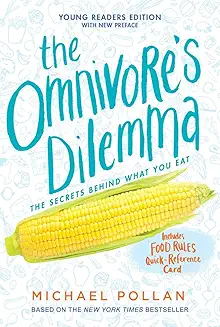
The Omnivore's Dilemma
Michael Pollan
A Natural History of Four Meals
4.5 (672)34 mins
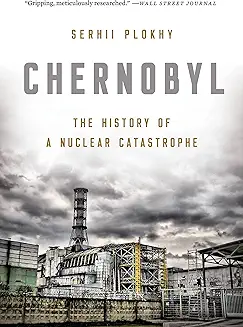
Chernobyl
Serhii Plokhy
The History of a Nuclear Catastrophe
4.5 (1034)28 mins
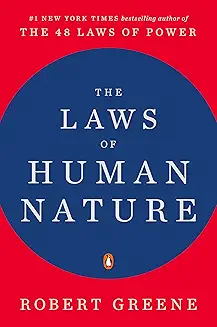
The Laws of Human Nature
Robert Greene
What affects your day-to-day life
4.4 (940)32 mins
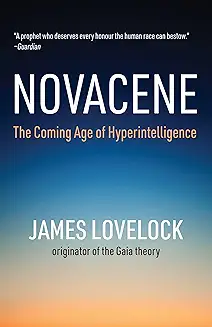
Novacene
James Lovelock
The Coming Age of Hyperintelligence
4.4 (554)25 mins
Isaac's Storm
Erik Larson
A Man, a Time, and the Deadliest Hurricane in History
4.4 (702)36 mins

All Creatures Great and Small
James Herriot
The Warm and Joyful Memoirs of the World's Most Beloved Animal Doctor
4.4 (41)27 mins