
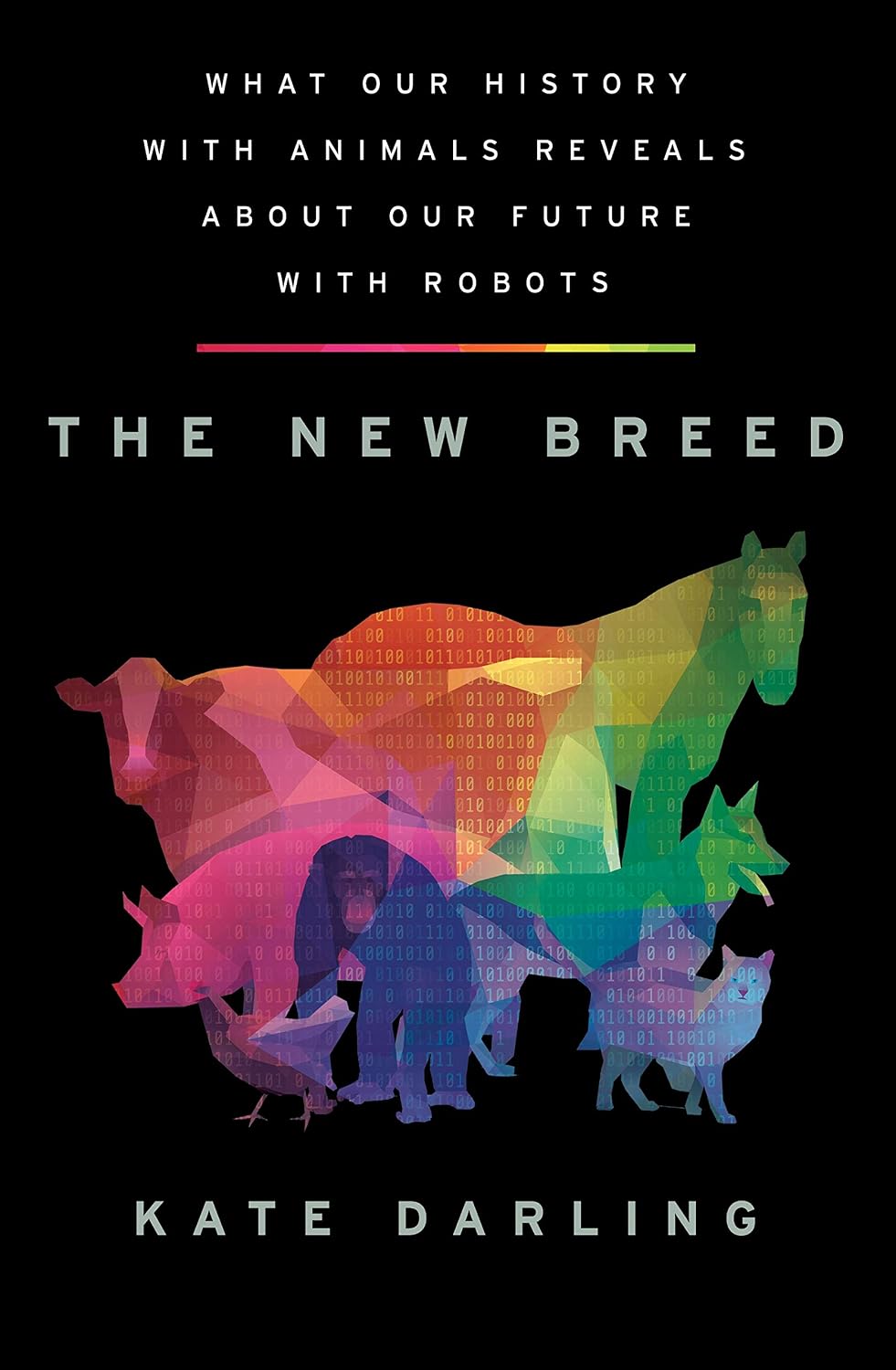
The New Breed Summary
By Kate Darling
What Our History with Animals Reveals about Our Future with Robots
Summary preview
What happens when machines stop being mere tools and start to feel more like companions, co workers, teammates, even vulnerable little creatures we want to protect? That is the strange, deeply human territory this book explores. The New Breed is not really a book about shiny gadgets or distant science fiction. It is a book about us. It asks what kind of relationship people form with robots, why we so quickly treat them as social beings, and why that fact matters far more than most engineers, lawmakers, and critics have been willing to admit. Kate Darling begins from a simple but powerful observation. We do not respond to robots the way we respond to hammers, microwaves, or spreadsheets. We respond to them the way we respond to animals. Not because we are confused, and not because robots are secretly alive, but because human beings are built to react socially to anything that moves with apparent purpose, shows responsiveness, or seems to need our care. If a little machine follows us, looks at us, makes sounds, or recoils when touched, a switch flips in the mind. We empathize. We project. We bond. That tendency can look silly from the outside, yet it is not trivial at all. It shapes how robots can help us in homes, hospitals, schools, the military, and public life. It also shapes the ethical knots we are going to face. If someone kicks a robot dog for fun, why does that bother us? If a child confides in a social robot, what responsibilities do designers have? If an older adult finds comfort in a robotic companion, should we celebrate that comfort or worry that it is fake? These are not future problems. They are already here. The guiding idea running through the book is that the best way to understand robots is not by comparing them to people, and not by squeezing them into the legal category of objects. A better comparison is animals. We live beside animals, work with them, care for them, train them, rely on them, and create laws around them, all while knowing they are not human. That middle ground, somewhere between person and thing, offers a surprisingly useful map for our robotic future. What follows is lively, practical, and full of memorable stories. You meet bomb disposal robots that soldiers mourn, dinosaur toys that people hate to harm, therapy robots that calm patients, and mechanical companions that reveal just how social the human mind really is. Step by step, the book shows that our future with machines will not be defined only by intelligence. It will be defined by attachment, behavior, trust, and the rules we build around those bonds.
Sign up to continue reading
Get access to full book summaries, audio of the summaries, and many more.
Similar Books
Books with a similar vibe—explore more like this.
How to Avoid a Climate Disaster
Bill Gates
The Solutions We Have and the Breakthroughs We Need
4.6 (642)34 mins
Novacene
James Lovelock
The Coming Age of Hyperintelligence
4.4 (554)25 mins
2030
Mauro F. Guillén
How Today's Biggest Trends Will Collide and Reshape the Future of Everything
4.1 (368)27 mins
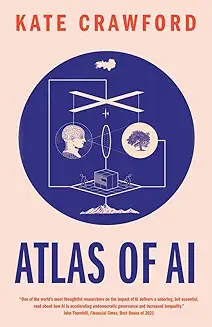
Atlas of AI
Kate Crawford
Power, Politics, and the Planetary Costs of Artificial Intelligence
3.6 (318)21 mins
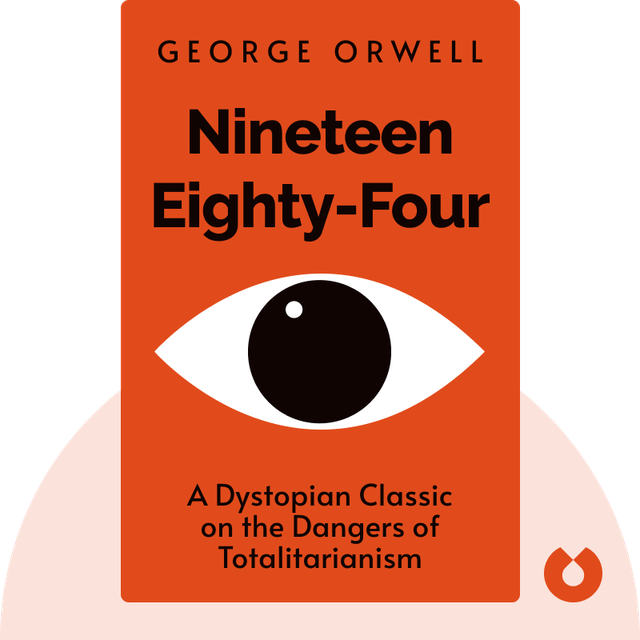
Nineteen Eighty-Four (1984)
George Orwell
A Dystopian Classic on the Dangers of Totalitarianism
4.9 (697)17 mins
Entangled Life
Merlin Sheldrake
How Fungi Make Our Worlds, Change our Minds and Shape Our Futures
4.8 (949)29 mins
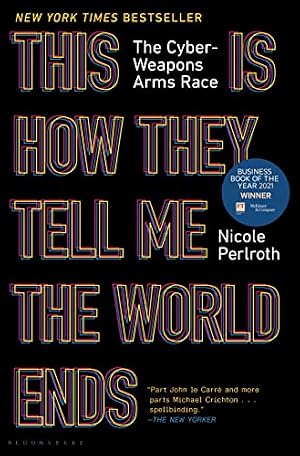
This Is How They Tell Me the World Ends
Nicole Perlroth
The Cyberweapons Arms Race
4.8 (64)33 mins

Farmageddon
Philip Lymbery with Isabel Oakeshott
The True Cost of Cheap Meat
4.8 (5)32 mins

The Mosquito
Timothy C. Winegard
A Human History of Our Deadliest Predator
4.8 (37)33 mins
Every Living Thing
Jason Roberts
The Great and Deadly Race to Know All Life
4.8 (7)22 mins