
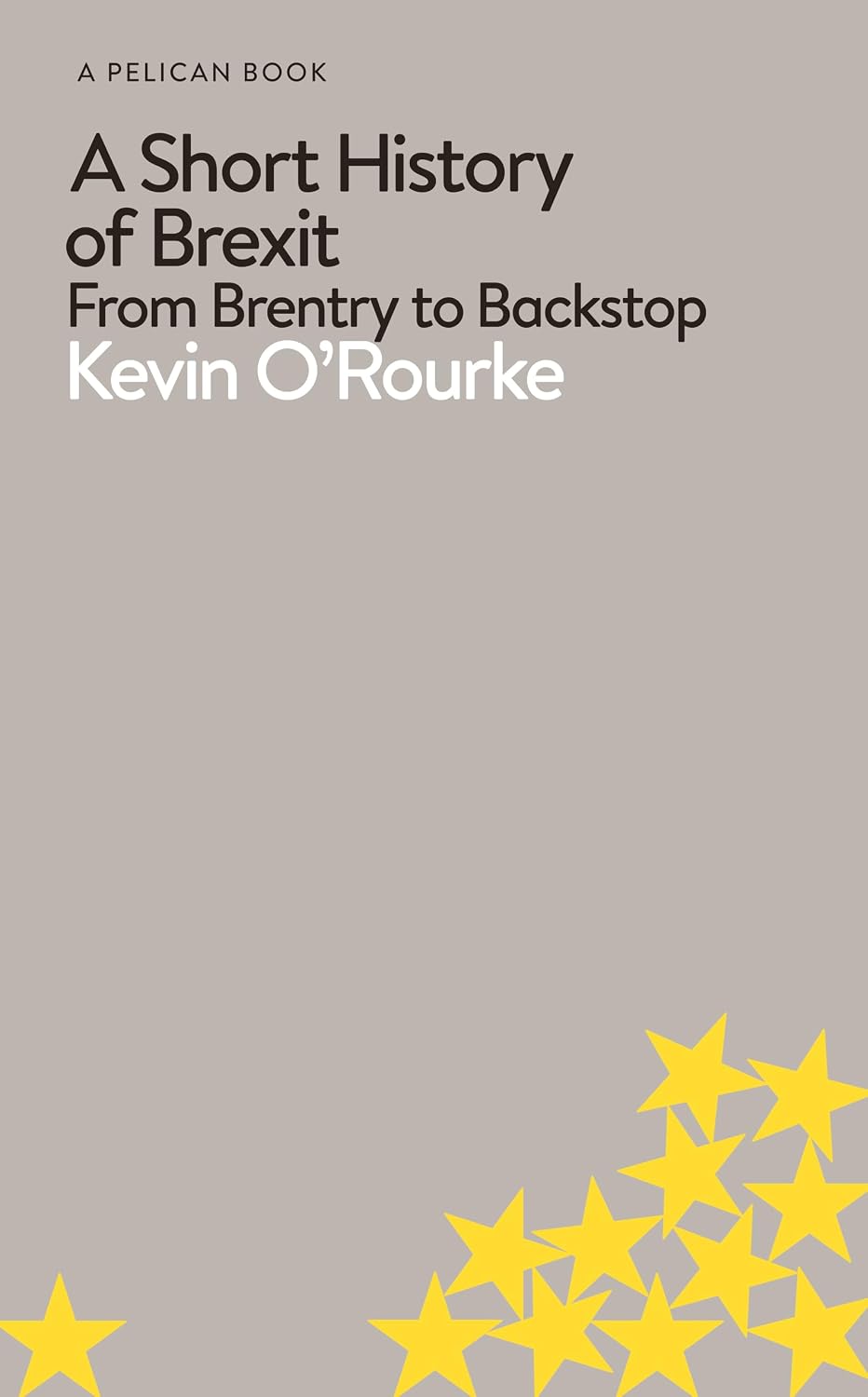
A Short History of Brexit Summary
By Kevin O'Rourke
From Brentry to Backstop
Summary preview
Brexit is often told as a sudden rebellion, a burst of anger in 2016 that came out of nowhere. This book asks you to slow down and look again. The vote to leave the European Union was dramatic, yes, but it was also the latest chapter in a much longer British story about trade, power, empire, geography, democracy, and national self image. What happened in June 2016 did not begin with a campaign bus or a referendum leaflet. It grew out of arguments that had been running for generations. Kevin O'Rourke approaches that story as an economic historian, but not in a dry or distant way. He wants to show how deeply economics and politics are tangled together. Trade policy is never just about tariffs and markets. It is about who belongs, who decides, who gains, and what kind of country people think they live in. That is why this short history ranges widely, from the repeal of the Corn Laws in the nineteenth century to the British Empire, from postwar reconstruction to the creation of the European project, and from Margaret Thatcher to the referendum campaign itself. At the heart of the book is a striking idea. Britain’s relationship with Europe was always shaped by another relationship, its relationship with the wider world. For a long time many British leaders and voters imagined that their country’s future lay not in continental entanglement but in global reach. First that meant empire. Later it meant the Commonwealth, the United States, and a vision of free trade that seemed larger and freer than anything Europe could offer. Again and again, the country looked across the seas and told itself that it was different from its neighbors. But history has a habit of undermining cherished myths. The empire faded. The Commonwealth could not replace lost markets. The world economy changed. Europe integrated. Britain joined late, argued constantly, opted out where it could, and never fully settled the question of whether it was in the club or merely doing business with it. That uneasy compromise lasted for decades until political pressure, party conflict, and popular frustration finally pushed the issue back to the people. What makes this account compelling is that it never treats Brexit as inevitable. Other choices were possible at many points. Different leaders, different institutions, different economic ideas, and different political bargains might have led elsewhere. Yet by tracing the deep roots of British exceptionalism and the recurring tension between sovereignty and interdependence, the book helps you see why the referendum result, surprising as it seemed to many, also made a certain historical sense. It is a short history, but it opens a very large window onto Britain and Europe.
Sign up to continue reading
Get access to full book summaries, audio of the summaries, and many more.
Similar Books
Books with a similar vibe—explore more like this.
Guantánamo Diary
Mohamedou Ould Slahi, edited by Larry Siems
Guantanamo from the Inside
4.7 (3)27 mins
The Prince
Niccolò Machiavelli
Machiavelli’s classic text on leadership and politics
4.6 (973)37 mins
The End of Power
Moisés Naím
From Boardrooms to Battlefields and Churches to States, Why Being in Charge Isn't What It Used To Be
4.5 (4)32 mins
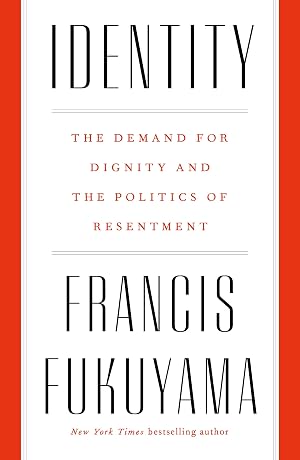
Identity
Francis Fukuyama
The Demand for Dignity and the Politics of Resentment
4.5 (28)31 mins
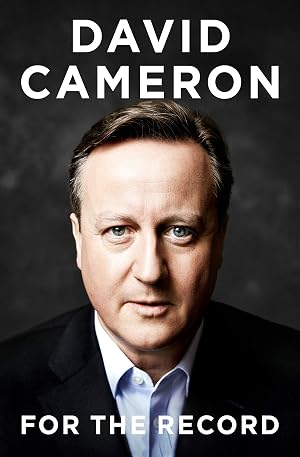
For the Record
David Cameron
An honest account from a prime minister who truly altered his country's course
4.5 (14)30 mins
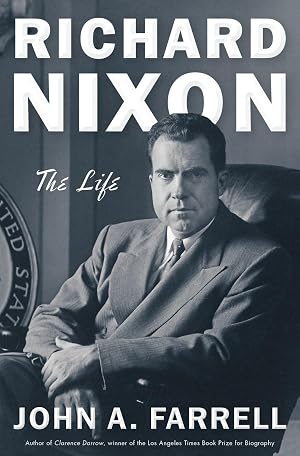
Richard Nixon
John A. Farrell
The Life
4.4 (30)35 mins
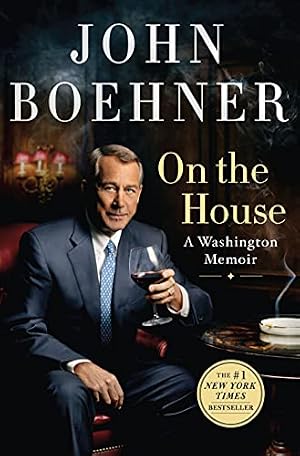
On the House
John Boehner
A Washington Memoir
4.4 (3)27 mins
Chaos Under Heaven
Josh Rogin
America, China, and the Battle for the 21st Century
4.3 (16)30 mins
A Warning
Anonymous
A political tell-all of an administration in disarray
4.3 (11)26 mins

The First Muslim
Lesley Hazleton
The Story of Muhammad
4.2 (27)35 mins