
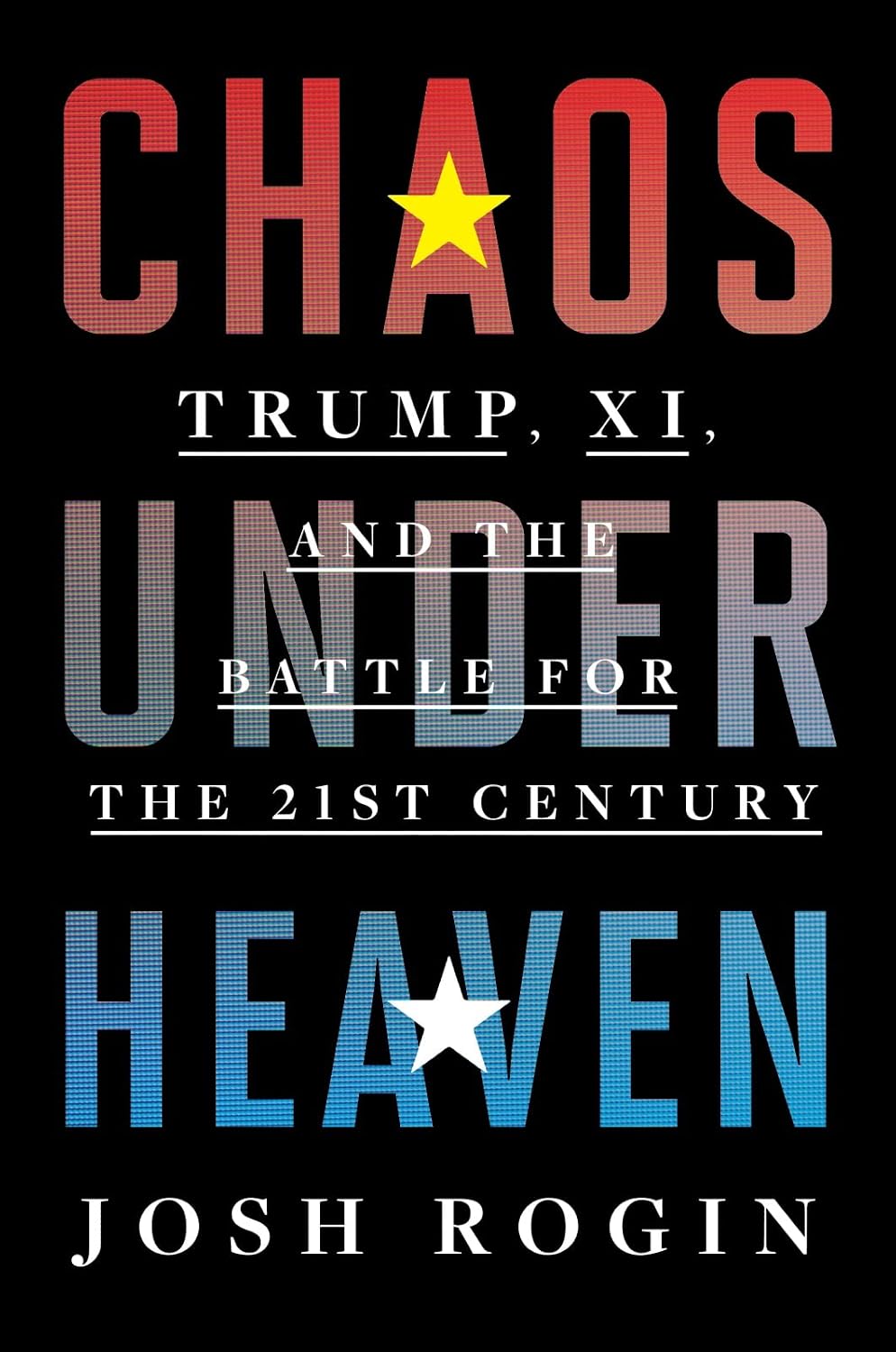
Chaos Under Heaven Summary
By Josh Rogin
America, China, and the Battle for the 21st Century
Summary preview
Chaos Under Heaven is a story about how the relationship between the United States and China moved from hopeful engagement into open confrontation, and why that change matters to almost everyone on earth. Josh Rogin tells it not as a distant theory lesson, but as a human drama full of warning signs, missed chances, private arguments, public blunders, and fierce internal battles inside Washington. At the center is a simple but uncomfortable claim. For years, American leaders from both parties believed that bringing China into the global system would make it richer, more responsible, and eventually more open. Instead, China’s ruling party took the benefits of that system, tightened political control at home, expanded its power abroad, and learned how to use America’s own assumptions against it. What makes this story gripping is that it is not just about Beijing’s rise. It is also about American confusion. Officials, diplomats, business leaders, intelligence analysts, and presidents all saw parts of the problem, but they rarely agreed on what it meant or what to do. Some wanted tougher pressure. Some feared a new cold war. Some hoped a better bargain could still be struck. Others clung to old habits long after the ground had shifted beneath them. The result was a relationship driven by illusion one year, anger the next, and improvisation almost the whole time. The book follows that transformation through the Obama years and into the Trump administration, where long building tensions burst into the open. Trade fights, technology wars, propaganda battles, human rights abuses, influence campaigns, and the handling of the coronavirus all become part of one larger struggle. The key question running through it all is not whether competition exists. It clearly does. The question is whether the United States can face that competition honestly without losing its own balance, values, or judgment. There is also a deeper moral thread here. The story asks what happens when a free society keeps making excuses for repression because profits are good, diplomacy feels easier, or the truth is inconvenient. It asks why so many people ignored evidence from Xinjiang, Hong Kong, Taiwan, and the South China Sea until the cost of denial became impossible to miss. It asks how authoritarian power operates in the modern world, not only with tanks and threats, but with markets, data, prestige, fear, and access. What follows is a sharp, energetic account of a turning point. It is filled with insiders, arguments, policy fights, and scenes that show history changing in real time. The mood is tense, sometimes darkly funny, often alarming. But it is also clarifying. Strip away the slogans, and the message becomes plain. A long era of wishful thinking has ended. Something harder, messier, and far more dangerous has begun.
Sign up to continue reading
Get access to full book summaries, audio of the summaries, and many more.
Similar Books
Books with a similar vibe—explore more like this.
Guantánamo Diary
Mohamedou Ould Slahi, edited by Larry Siems
Guantanamo from the Inside
4.7 (3)27 mins

The Prince
Niccolò Machiavelli
Machiavelli’s classic text on leadership and politics
4.6 (973)37 mins
A Short History of Brexit
Kevin O'Rourke
From Brentry to Backstop
4.5 (33)33 mins
The End of Power
Moisés Naím
From Boardrooms to Battlefields and Churches to States, Why Being in Charge Isn't What It Used To Be
4.5 (4)32 mins
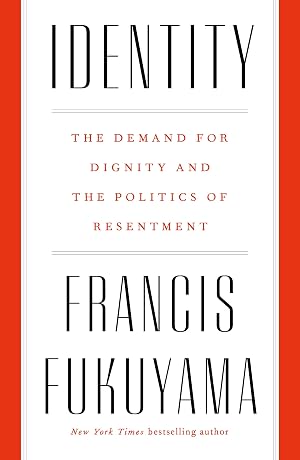
Identity
Francis Fukuyama
The Demand for Dignity and the Politics of Resentment
4.5 (28)31 mins
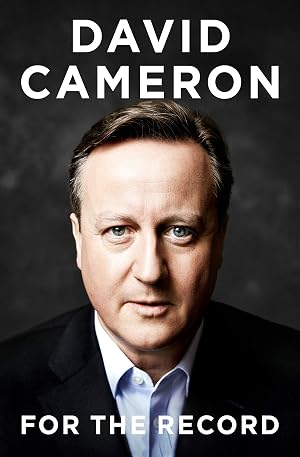
For the Record
David Cameron
An honest account from a prime minister who truly altered his country's course
4.5 (14)30 mins
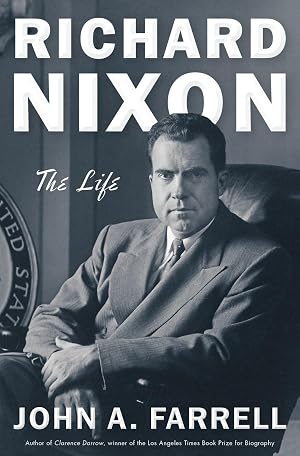
Richard Nixon
John A. Farrell
The Life
4.4 (30)35 mins
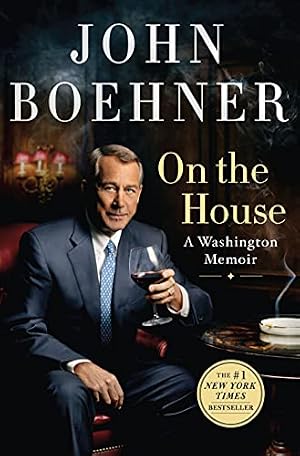
On the House
John Boehner
A Washington Memoir
4.4 (3)27 mins
A Warning
Anonymous
A political tell-all of an administration in disarray
4.3 (11)26 mins

The First Muslim
Lesley Hazleton
The Story of Muhammad
4.2 (27)35 mins