
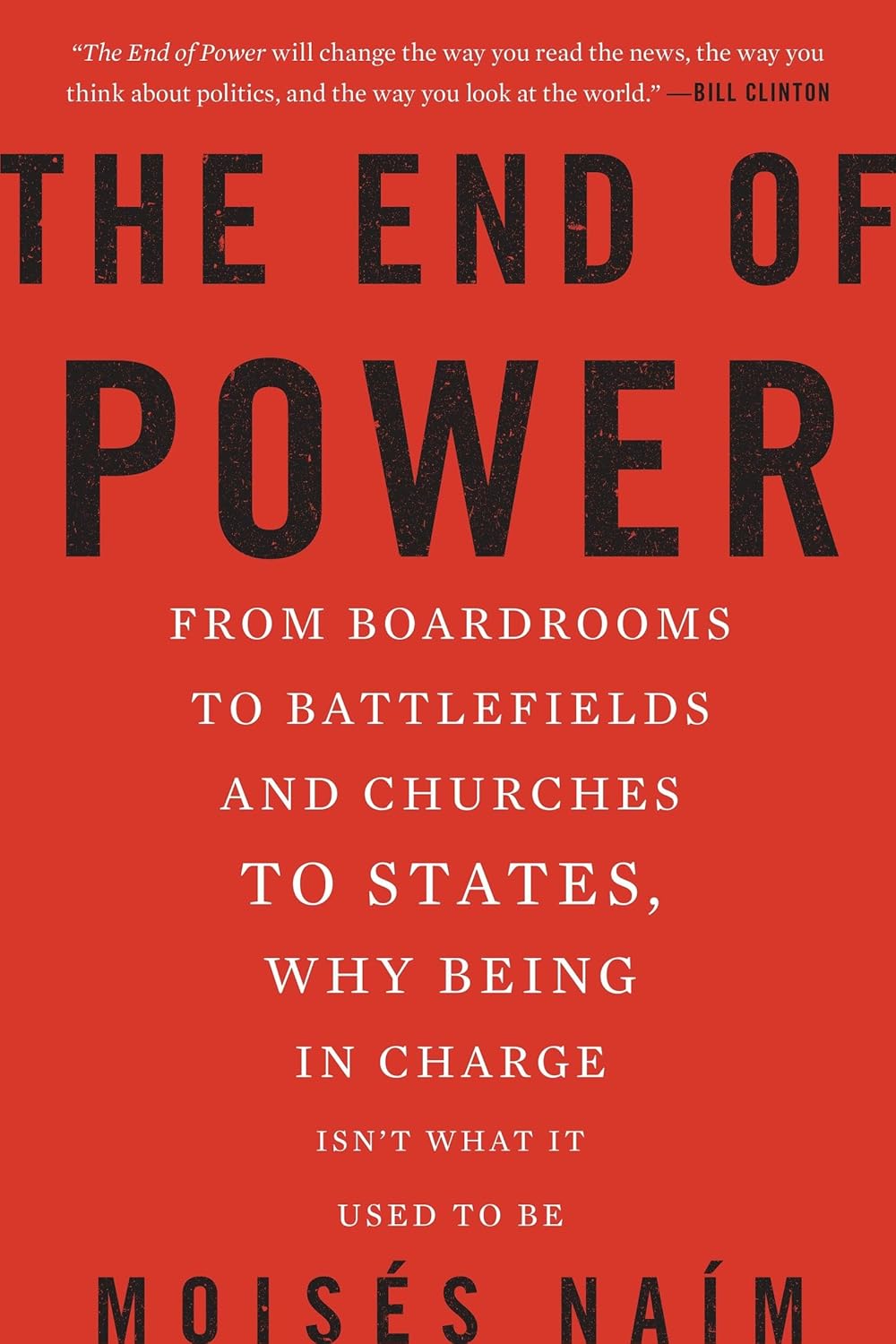
The End of Power Summary
By Moisés Naím
From Boardrooms to Battlefields and Churches to States, Why Being in Charge Isn't What It Used To Be
Summary preview
Power used to look solid. It sat in capitals, boardrooms, army headquarters, party machines, church hierarchies, and giant media companies. It belonged to presidents, generals, CEOs, bishops, and bosses who could issue orders and expect those orders to travel down tidy chains of command. That old picture still tempts us because it feels familiar. Yet the world around us keeps showing something different. Leaders rise fast and fall faster. Huge companies are shaken by tiny startups. Armies can topple governments and still fail to control a country. Political parties with long histories suddenly discover that crowds, movements, and angry outsiders can push them aside. The great surprise of our time is not simply that power changes hands. It is that power itself is becoming easier to get, harder to use, and easier to lose. That is the argument driving this book. Moisés Naím wants us to stop thinking of power as a fortress and start seeing it as a current that slips away from the hands that once held it securely. He does not claim that power has vanished or that the mighty no longer matter. Far from it. Governments still tax, regulate, imprison, and fight wars. Corporations still shape markets and technologies. Religious institutions still inspire millions. But nearly everywhere, the barriers that once protected the powerful have weakened. New players can enter. Outsiders can challenge insiders. Small groups can obstruct giants. The result is not a world without power, but a world where power is more fragmented, more contested, and more temporary. To explain why this happened, the book points to three big revolutions working together. More people have more of what they once lacked, including health, education, money, mobility, and information. Mobility has exploded, letting people, goods, money, ideas, and even violence cross borders with astonishing speed. And the mentality of populations has changed. People are less willing to obey, wait their turn, or accept the authority of institutions simply because those institutions are old. These forces open doors for entrepreneurs, rebels, activists, consumers, and newcomers of every kind. They also create headaches for anyone trying to govern, manage, command, or preserve stability. What follows is a tour through politics, war, business, religion, philanthropy, media, and global affairs. The book moves from vivid stories to large patterns, showing how tiny actors can disrupt giant organizations and why winning power is no longer the same thing as using it well. It is a story about decline and possibility at the same time. The weakening of old monopolies can free societies, energize citizens, and encourage innovation. Yet it can also make collective action harder and leave us with stalemate, disorder, and institutions too weak to solve common problems. The question is not whether power is ending. The deeper question is what kind of world emerges when nobody can hold it for long.
Sign up to continue reading
Get access to full book summaries, audio of the summaries, and many more.
Similar Books
Books with a similar vibe—explore more like this.
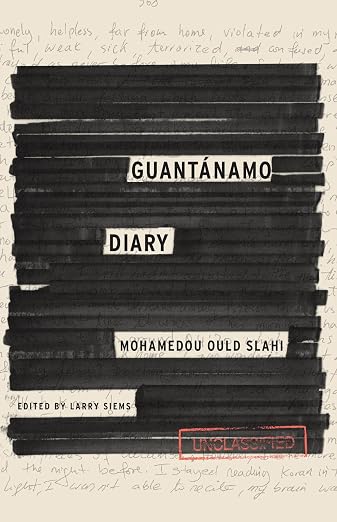
Guantánamo Diary
Mohamedou Ould Slahi, edited by Larry Siems
Guantanamo from the Inside
4.7 (3)27 mins
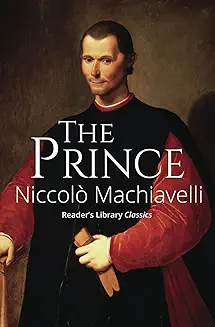
The Prince
Niccolò Machiavelli
Machiavelli’s classic text on leadership and politics
4.6 (973)37 mins
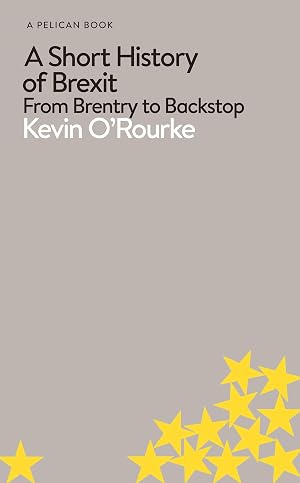
A Short History of Brexit
Kevin O'Rourke
From Brentry to Backstop
4.5 (33)33 mins
Identity
Francis Fukuyama
The Demand for Dignity and the Politics of Resentment
4.5 (28)31 mins
For the Record
David Cameron
An honest account from a prime minister who truly altered his country's course
4.5 (14)30 mins
Richard Nixon
John A. Farrell
The Life
4.4 (30)35 mins
On the House
John Boehner
A Washington Memoir
4.4 (3)27 mins
Chaos Under Heaven
Josh Rogin
America, China, and the Battle for the 21st Century
4.3 (16)30 mins
A Warning
Anonymous
A political tell-all of an administration in disarray
4.3 (11)26 mins

The First Muslim
Lesley Hazleton
The Story of Muhammad
4.2 (27)35 mins