
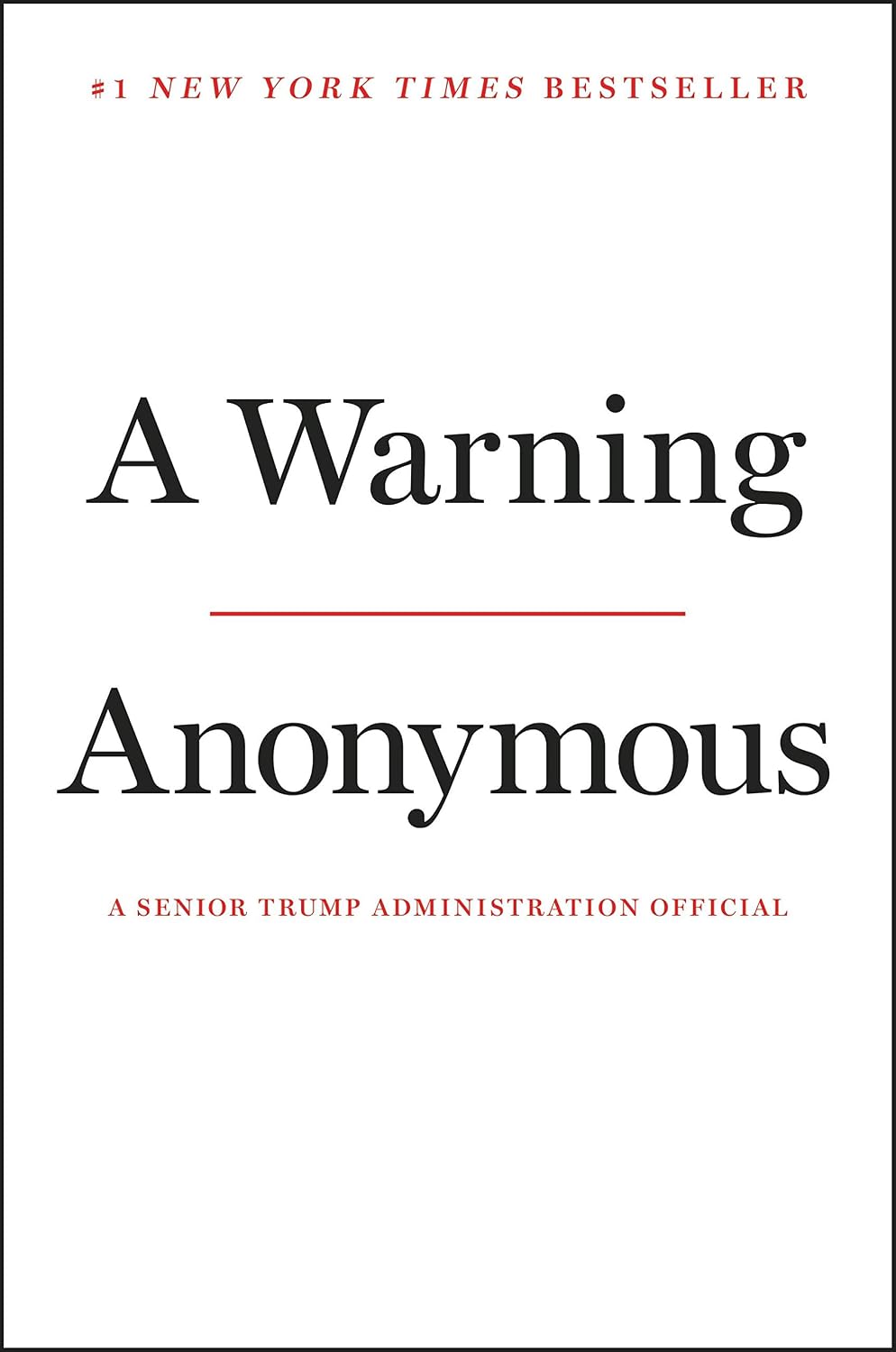
A Warning Summary
By Anonymous
A political tell-all of an administration in disarray
Summary preview
This book arrives like a note slipped under the door in the middle of the night. It speaks in a voice that is urgent, worried, and close to the machinery of power. The core message is plain. The presidency described here is not simply unconventional, noisy, or politically rough. It is dangerous because it places impulse over judgment, ego over duty, and spectacle over truth. The writer wants you to see what life inside the administration looked and felt like, not from the outside through headlines alone, but from the rooms where choices were made, loyalties tested, and alarms quietly raised. The central purpose is a warning. That word matters. The book is not framed as gossip, revenge, or a score settling exercise. It presents itself as an appeal to the public to understand the scale of instability at the center of government. It says there were people inside who tried to contain the damage, people who believed they were protecting the country by slowing reckless decisions, redirecting harmful orders, and preserving basic functions of the state. But it also admits the moral unease of that arrangement. However well intended, private restraint by unelected aides is not a healthy substitute for honest leadership or constitutional accountability. What unfolds is a portrait of a White House driven by chaos. Meetings veer off course. Staff members flatter to survive. Policy is often less important than mood. The president is shown as deeply fixated on image, public adoration, television coverage, enemies, and personal grievances. Matters of war, trade, alliances, law enforcement, and disaster response are often filtered through that same lens. Again and again, the writer returns to the same painful idea that the problem is not one bad day or one misstatement, but a pattern of conduct that puts the country at risk. At the same time, the book asks hard questions about the people around him. Why did so many stay? Why did they believe they could manage what they knew was unmanageable? Why not step forward publicly sooner? Those questions give the book some of its tension and some of its weakness, because the narrator is not pretending innocence. The story includes ambition, compromise, fear, rationalization, and a belated reckoning with conscience. Anonymous paints a government where the ordinary guardrails of office were stretched thin. The result is a narrative about power without discipline and about citizens who must decide whether they will look away, excuse it, or confront it. The pages are meant to leave you with a simple feeling that what is at stake is not a personality clash in Washington, but the health of democratic life itself.
Sign up to continue reading
Get access to full book summaries, audio of the summaries, and many more.
Similar Books
Books with a similar vibe—explore more like this.
Guantánamo Diary
Mohamedou Ould Slahi, edited by Larry Siems
Guantanamo from the Inside
4.7 (3)27 mins

The Prince
Niccolò Machiavelli
Machiavelli’s classic text on leadership and politics
4.6 (973)37 mins

A Short History of Brexit
Kevin O'Rourke
From Brentry to Backstop
4.5 (33)33 mins
The End of Power
Moisés Naím
From Boardrooms to Battlefields and Churches to States, Why Being in Charge Isn't What It Used To Be
4.5 (4)32 mins
Identity
Francis Fukuyama
The Demand for Dignity and the Politics of Resentment
4.5 (28)31 mins
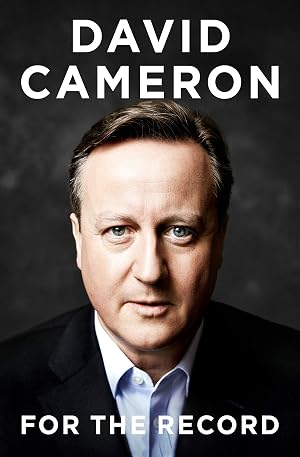
For the Record
David Cameron
An honest account from a prime minister who truly altered his country's course
4.5 (14)30 mins
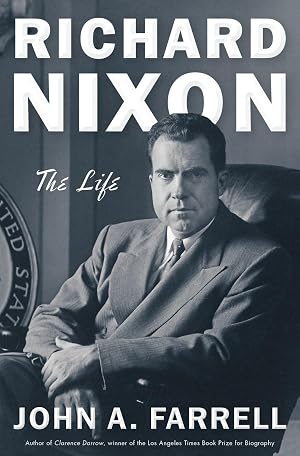
Richard Nixon
John A. Farrell
The Life
4.4 (30)35 mins
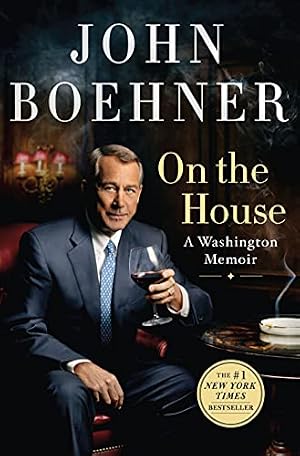
On the House
John Boehner
A Washington Memoir
4.4 (3)27 mins
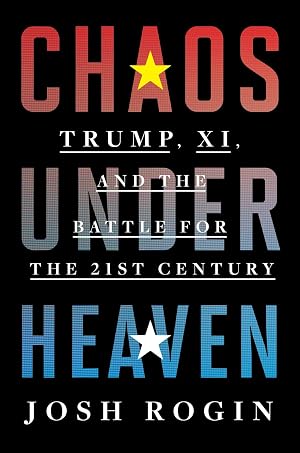
Chaos Under Heaven
Josh Rogin
America, China, and the Battle for the 21st Century
4.3 (16)30 mins

The First Muslim
Lesley Hazleton
The Story of Muhammad
4.2 (27)35 mins