
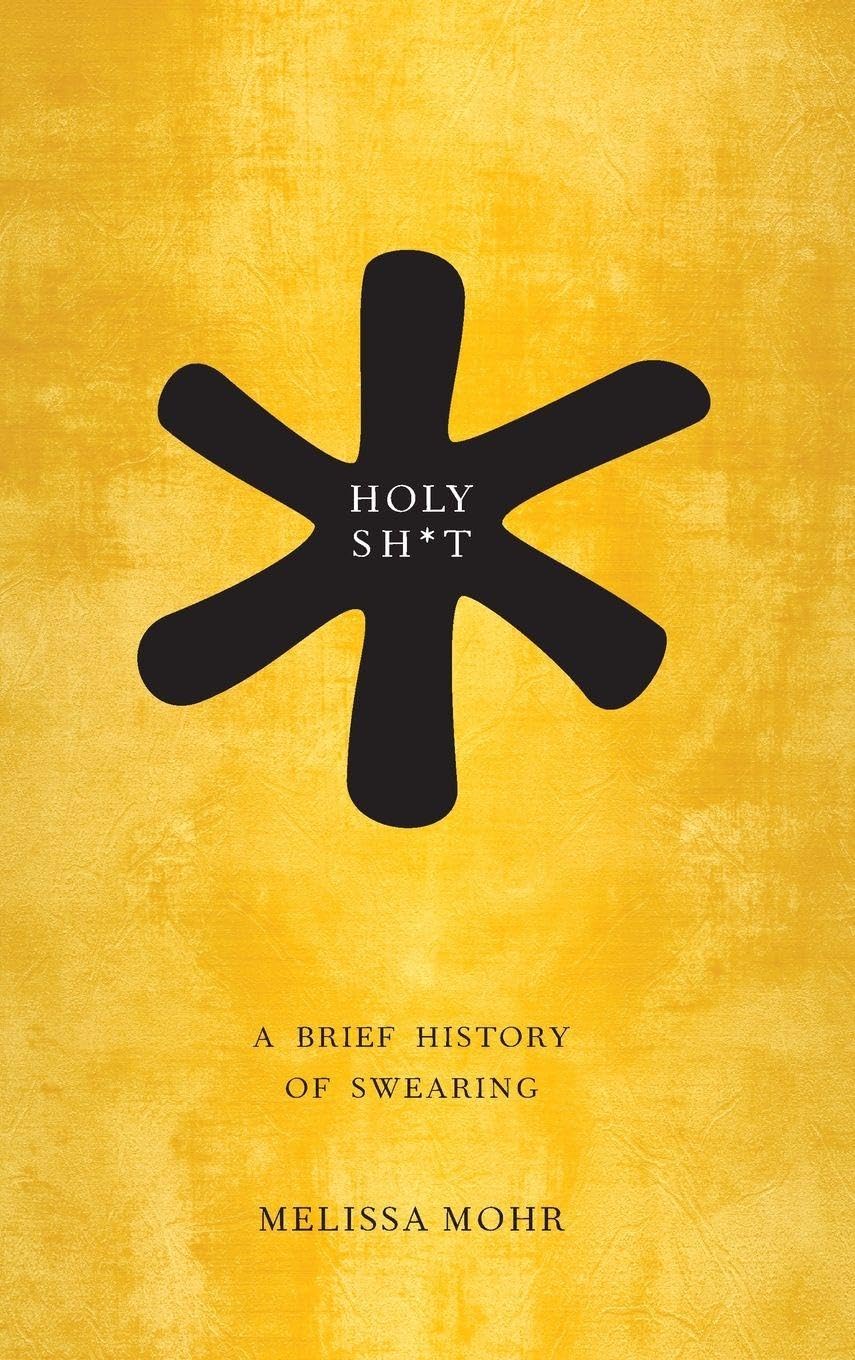
Holy Sh*t Summary
By Melissa Mohr
A Brief History of Swearing
Summary preview
What happens when you stop pretending that bad words are just bad manners and start treating them as clues to how people really live, fear, joke, pray, and fight? That is the wonderfully unruly road this book takes. Melissa Mohr digs into profanity not as a cheap laugh and not as a scolding lesson, but as a long, surprising history of what people have not been supposed to say. And once you start looking, you see that swearing is never just swearing. It is religion, class, politics, sex, power, shame, rebellion, and sometimes pure delight packed into a few explosive syllables. The book moves through English speaking history, from the Middle Ages to the present, asking a simple question with very tangled answers. Why do certain words have the power to shock? The answer changes over time. In one era, the worst thing you can do with language is insult God. In another, it is to name body parts and bodily functions too directly. Later still, racial slurs become among the most poisonous words of all, exposing the deep violence and cruelty baked into society. What counts as unspeakable turns out to be a map of a culture’s fears and sacred values. What makes the journey so lively is that it never gets stuck in dry scholarship. You get monks and playwrights, legal records and dirty jokes, kings, censors, dictionary makers, Victorian moralists, soldiers, comedians, and ordinary people talking the way ordinary people actually do. A curse in a medieval street fight can tell you as much about the soul of an age as a sermon can. A courtroom transcript can preserve language that polite literature tried to erase. A string of four letter words can reveal who gets to speak freely and who gets punished for speaking at all. The story also keeps reminding you that profanity is slippery. The words themselves matter, yes, but context matters just as much. A phrase can be blasphemy in one century, a joke in another, and almost harmless filler in the next. Some taboo words lose their sting through overuse. Others stay radioactive because they carry real histories of exclusion and harm. The book is funny, but it is not careless. It understands that swearing can be playful and intimate, and also cruel and dangerous. By the time you settle in, you realize this is not really a book only about dirty words. It is a book about boundaries. Who draws them, who breaks them, and what happens when language crosses a line. That is what gives the whole story its charge. Profanity turns out to be one of the best ways to hear a culture telling the truth about itself.
Sign up to continue reading
Get access to full book summaries, audio of the summaries, and many more.
Similar Books
Books with a similar vibe—explore more like this.
Once Upon a Stranger
Gillian Sandstrom
The Science of How Small Talk Can Add Up to a Big Life
4.7 (21)22 mins
Habits of a Peacemaker
Steven T. Collis
10 Habits to Turn Toxic Conversations Into Healthy Dialogues
4.7 (9)22 mins
The Mother Tongue
Bill Bryson
English and How It Got That Way
4.6 (743)22 mins
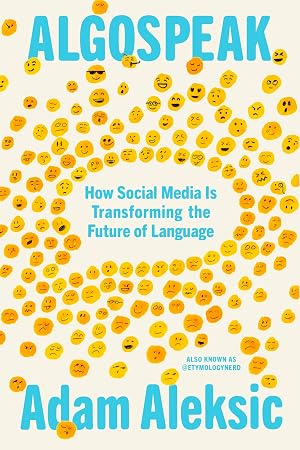
Algospeak
Adam Aleksic
How Social Media Is Transforming the Future of Language
4.5 (12)24 mins
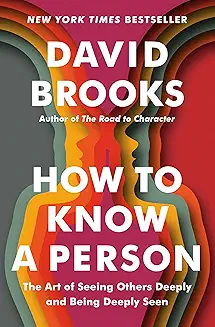
How to Know a Person
David Brooks
The Art of Seeing Others Deeply and Being Deeply Seen
4.4 (692)26 mins

Flipnosis
Kevin Dutton
The Art of Split-Second Persuasion
4.4 (38)23 mins
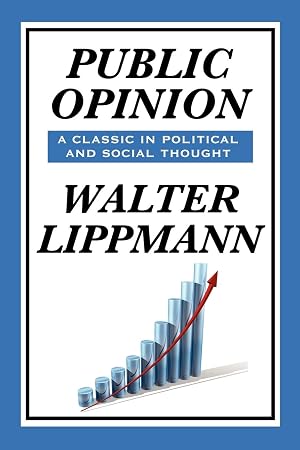
Public Opinion
Walter Lippmann
Uncover the Hidden Forces Shaping Public Perception
4.4 (12)23 mins
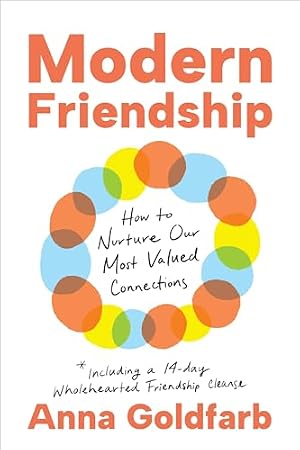
Modern Friendship
Anna Goldfarb
How to Nurture Our Most Valued Connections
4.3 (8)21 mins
Understanding Media
Marshall McLuhan
The Extensions of Man
4.3 (13)25 mins
Better Small Talk
Patrick King
Master the Art of Deep Conversation
4.2 (71)23 mins