
Summary preview
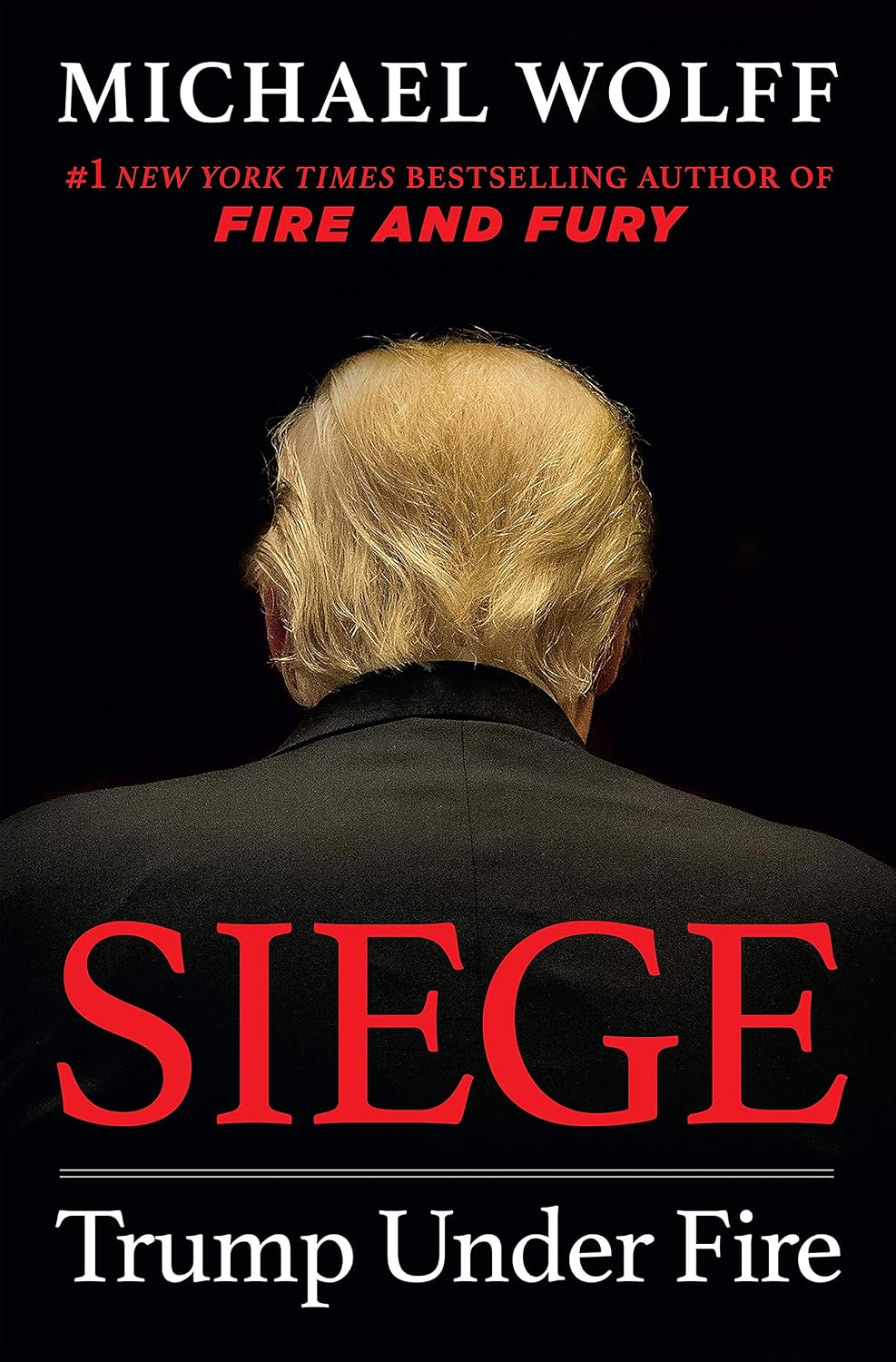
Michael Wolff’s Siege picks up where the first shock of the Trump White House left off, but the mood is darker now, tighter, more desperate. If Fire and Fury was about astonishment inside a government that had accidentally found itself in power, Siege is about what happens when that same government realizes it is under attack from every direction and still cannot govern itself. The book follows Donald Trump through one of the most chaotic stretches of his presidency, from the aftershocks of the Russia investigation to the Kavanaugh fight, from legal panic to staff collapse, from public bravado to private unraveling. What you see is not a White House settling into discipline. You see a presidency turning inward, becoming more suspicious, more combative, and more consumed by survival. The central subject here is pressure. Pressure from Robert Mueller and the special counsel team. Pressure from prosecutors in New York. Pressure from books, leaks, defections, subpoenas, elections, and television. Pressure from an opposition that smells weakness and from allies who never quite know whether loyalty will be rewarded or mocked. And, above all, pressure from a president who responds to danger not with calm calculation but with fury, denial, instinct, and theatrical aggression. The book argues that this was not simply a period of political controversy. It was a siege mentality in the literal sense, a closed circle of fear and improvisation in which every phone call, every cable hit, every legal filing, and every staff conversation could feel like the beginning of the end. What makes the story vivid is the way it moves between the grand and the petty. The legal stakes are enormous, but so are the obsessions over media coverage, rival courtiers, and who has direct access to the Oval Office. There are lawyers trying to prevent catastrophe, family members trying to protect themselves and their father, aides trying to guess the president’s mood, and enemies outside the gates trying to force some kind of reckoning. Wolff writes the White House as a place of permanent motion and permanent dysfunction, where strategy is often replaced by impulse and where emotional weather matters as much as policy. The result is a portrait of a presidency that functions less like a traditional administration than like a besieged family business fused with a nonstop television show. Nothing is stable for long. Everyone watches everyone else. Every event produces three crises at once, legal, political, and personal. By the time you are done, the story feels less like a normal chronicle of power than a running account of how power behaves when it is cornered, frightened, and unable to stop performing.
Sign up to continue reading
Get access to full book summaries, audio of the summaries, and many more.
Similar Books
Books with a similar vibe—explore more like this.

The Book of Five Rings
Miyamoto Musashi
A Classic Text on the Japanese Way of the Sword
4.7 (293)23 mins
Guantánamo Diary
Mohamedou Ould Slahi, edited by Larry Siems
Guantanamo from the Inside
4.7 (3)27 mins
Sun Tzu and the Art of Business
Mark R. McNeilly
Six Strategic Principles for Manager
4.6 (638)24 mins

The Prince
Niccolò Machiavelli
Machiavelli’s classic text on leadership and politics
4.6 (973)37 mins

A Short History of Brexit
Kevin O'Rourke
From Brentry to Backstop
4.5 (33) mins
The End of Power
Moisés Naím
From Boardrooms to Battlefields and Churches to States, Why Being in Charge Isn't What It Used To Be
4.5 (4)32 mins
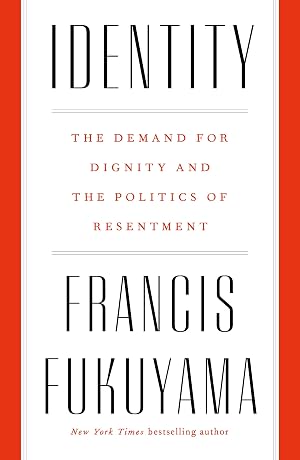
Identity
Francis Fukuyama
The Demand for Dignity and the Politics of Resentment
4.5 (28)31 mins
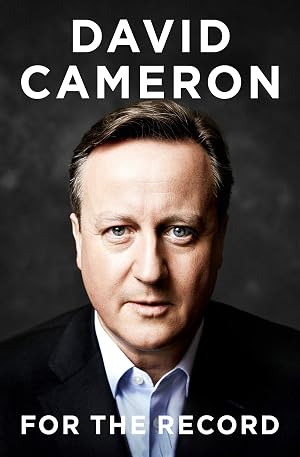
For the Record
David Cameron
An honest account from a prime minister who truly altered his country's course
4.5 (14)30 mins
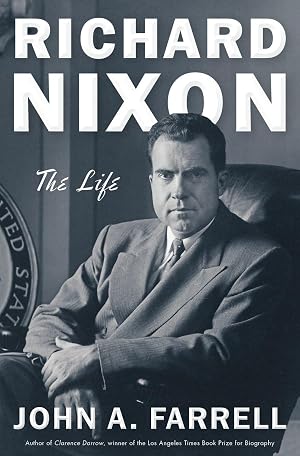
Richard Nixon
John A. Farrell
The Life
4.4 (30)35 mins

On the House
John Boehner
A Washington Memoir
4.4 (3)27 mins