
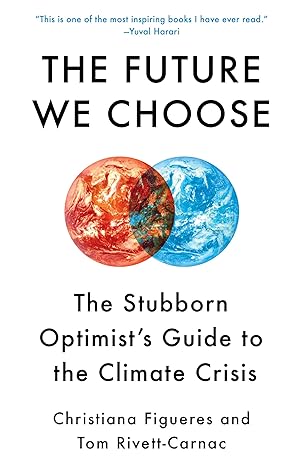
The Future We Choose
By Christiana Figueres & Tom Rivett-Carnac
Surviving the Climate Crisis
Introduction
Some books ask you to understand a problem. This one asks you to choose a future. That difference matters. The heart of this work is not simply climate science, policy, or politics, though all of those are present. Its true purpose is to help you stand in a moment of enormous danger without collapsing into fear, denial, or numbness. It invites you to look directly at the crisis we have created, to feel its weight, and then to act from courage rather than despair. Written by Christiana Figueres & Tom Rivett-Carnac, the book grows out of years spent at the center of international climate negotiations and out of a deeply personal reckoning with what it means to live in this decisive decade. The message is both stark and deeply hopeful. Humanity still has a narrow window to prevent the very worst outcomes of climate breakdown, but only if we act with speed, determination, and imagination. The future is not fixed. It depends on what we do now. To make that truth vivid, the book opens by stretching your imagination toward two very different worlds in the year 2050. One is a world of escalating heat, social fracture, loss, and instability. The other is a world that has gone through difficult transformation and emerged cleaner, fairer, healthier, and more connected to the living systems that sustain us. These are not fantasy stories. They are plausible destinations. And we are already moving toward one or the other. From there, the book does something unusual and powerful. It does not stop at warning. It tries to build the inner and outer conditions for action. It explains why climate change is not just a technical challenge but also a psychological and moral one. It explores why people freeze, why they turn away, and why hope must be redefined. Not as passive optimism, not as wishing for rescue, but as disciplined commitment. Hope here is something you practice. The book then offers a way of being equal to the moment. It lays out a set of mindsets and habits for what the authors call stubborn optimism. This means accepting the hard facts while refusing to surrender agency. It means seeing yourself not as a spectator to history but as a participant in shaping it. It means understanding that systems can change quickly, that social tipping points are real, and that collective action grows from personal conviction. What follows is practical as well as philosophical. You are invited to tell the truth, face your fear, widen your circle of care, reshape your work, engage politically, and live in alignment with the world you want. The book insists that no one action is enough, but no action is meaningless. It is a guide for choosing courage over paralysis and possibility over cynicism. Above all, it is a reminder that the future remains open, and that our responsibility is also our power.
Sign up to continue reading
Get access to full book summaries, audio of the summaries, and many more.
Similar Books
Books with a similar vibe—explore more like this.
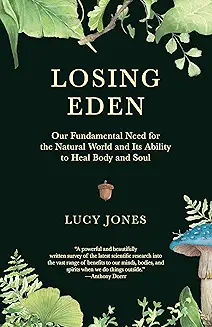
Losing Eden
Lucy Jones
Why Our Minds Need the Wild
4.6 (641)28 mins
The Wide Wide Sea
Hampton Sides
The Fateful Final Voyage of Captain James Cook
4.5 (830)28 mins
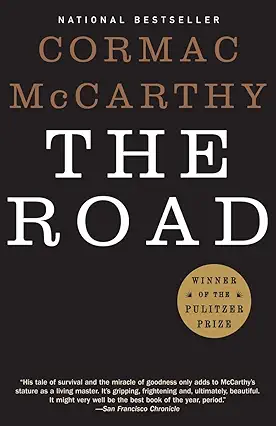
The Road
Cormac McCarthy
A searing, postapocalyptic novel destined to become Cormac McCarthy’s masterpiece.
4.5 (365)24 mins
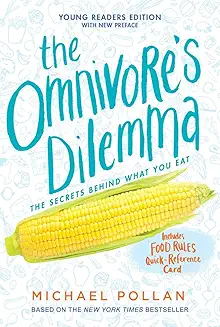
The Omnivore's Dilemma
Michael Pollan
A Natural History of Four Meals
4.5 (672)34 mins
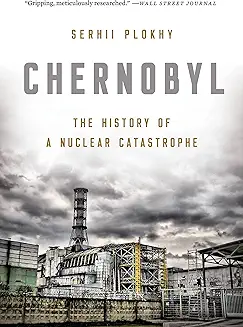
Chernobyl
Serhii Plokhy
The History of a Nuclear Catastrophe
4.5 (1034)28 mins
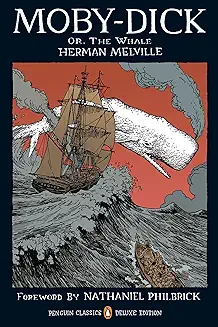
Moby Dick
Herman Melville
One Man’s Obsession With Revenge Turns Into Self-Destruction
4.5 (1028)19 mins
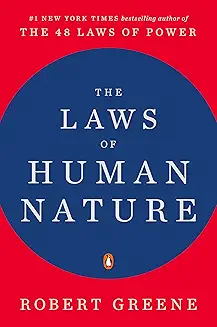
The Laws of Human Nature
Robert Greene
What affects your day-to-day life
4.4 (940)32 mins
Novacene
James Lovelock
The Coming Age of Hyperintelligence
4.4 (554)25 mins
Isaac's Storm
Erik Larson
A Man, a Time, and the Deadliest Hurricane in History
4.4 (702)36 mins

Guns, Germs, and Steel
Jared Diamond
The Fates of Human Societies
4.1 (347)16 mins