
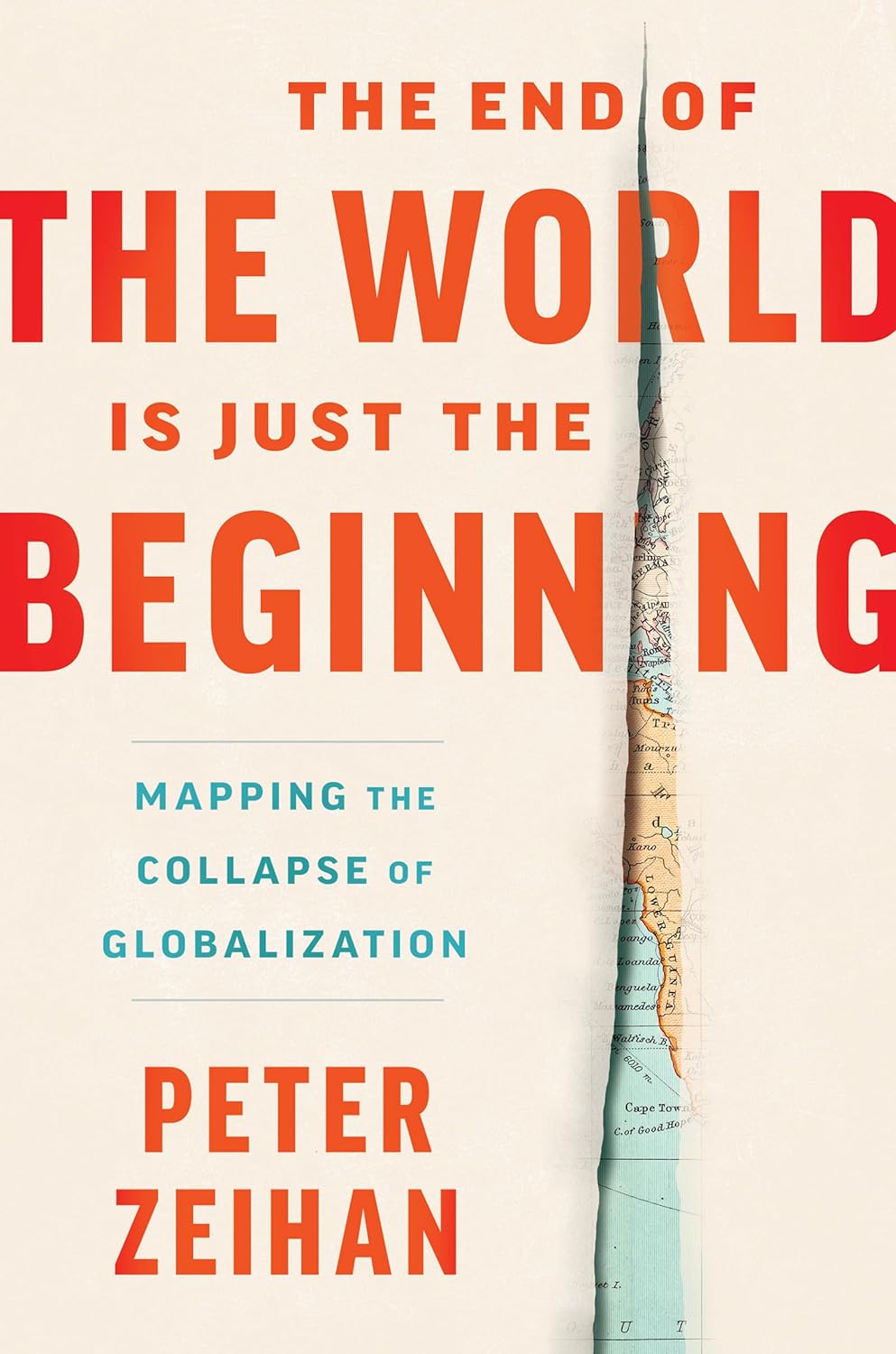
The End of the World Is Just the Beginning Summary
By Peter Zeihan
Mapping the Collapse of Globalization
Summary preview
For most of modern life, people have treated globalization like gravity. It is just there. Ships move. Money flows. Factories hum. Supermarkets stay full. If one country needs oil, grain, copper, chips, or medicine, someone somewhere puts it on a boat, sends it through a canal or across an ocean, and everything works out. That world feels normal because it is the only world most of us have ever known. But the point of this book is that none of it was normal. It was an artificial system, built for a very specific reason, at a very specific moment in history, and held together by one power with one navy and one huge strategic goal. Peter Zeihan starts with a blunt claim. The global order that made modern prosperity possible is ending, and it is ending because the country that built it no longer has a strong reason to keep paying for it. After the Second World War, the United States decided to patrol the seas, protect trade routes, open markets, and anchor security alliances. It did that not out of charity but to contain the Soviet Union. In exchange, other countries joined the American camp. The result was a world in which shipping became safe, energy and food became globally traded at massive scale, and far flung supply chains became possible. Now that strategic logic is fading. The Cold War is over. America is less dependent on foreign energy, less interested in maintaining everyone else’s commercial stability, and increasingly able to step back. At the same time, many of the countries that thrived under this system are aging fast, running out of workers, sinking into debt, and discovering that their economic models only function in a world of cheap transport, reliable sea lanes, and endless external demand. Remove those supports and the whole machine begins to shake. What follows is not a prophecy of one dramatic explosion. It is a guided tour through how the world actually works, and how fragile that work has always been. The book moves from oceans to trade, from demographics to finance, from energy to manufacturing, from agriculture to national survival. It asks a simple question. What happens when the largest, most complex, most interconnected system humans have ever built loses its security guard, its consumers, its workers, and its basic economic logic all at once? The answer is not the same everywhere. Some countries are in deep trouble. Some will adapt. A few are shockingly well positioned. The story is messy, uneven, and often uncomfortable. But it is also clarifying. Once you see that the modern world was a geopolitical project instead of a permanent condition, today’s disruptions start to make more sense. The shortages, political swings, energy panics, and fractured supply chains are not random bad luck. They are early signs that the age of easy global abundance is ending, and that a harsher, more local, more unstable era is beginning.
Sign up to continue reading
Get access to full book summaries, audio of the summaries, and many more.
Similar Books
Books with a similar vibe—explore more like this.

How Music Got Free
Stephen Witt
What happens when an entire generation commits the same crime?
4.8 (8)36 mins
From Third World to First
Lee Kuan Yew
The Singapore Story: 1965-2000
4.7 (16)22 mins

Cobalt Red
Siddharth Kara
How the Blood of the Congo Powers Our Lives
4.6 (4)22 mins
A Splendid Exchange
William J. Bernstein
How Trade Shaped the World
4.6 (7)30 mins
Narconomics
Tom Wainwright
How to Run a Drug Cartel
4.6 (19)29 mins
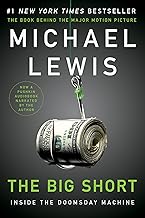
The Big Short
Michael Lewis
Inside the Doomsday Machine
4.5 (1357)36 mins
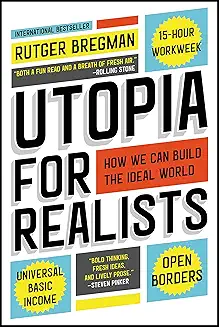
Utopia for Realists
Rutger Bregman
And How We Can Get There
4.5 (839)31 mins
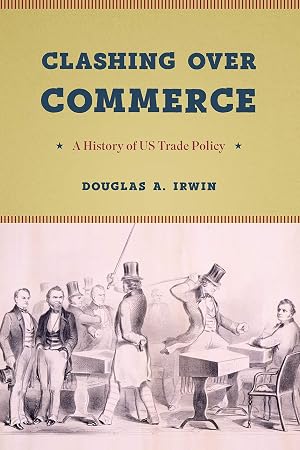
Clashing over Commerce
Douglas A. Irwin
A History of US Trade Policy
4.5 (7)23 mins

A Long Way Gone
Ishmael Beah
Memoirs of a Boy Soldier
4.5 (9)27 mins
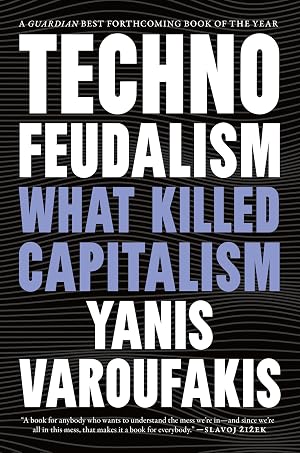
Technofeudalism
Yanis Varoufakis
What Killed Capitalism
4.5 (39)24 mins